English
 Español
 Français
 Deutsch
 Italiano
 Português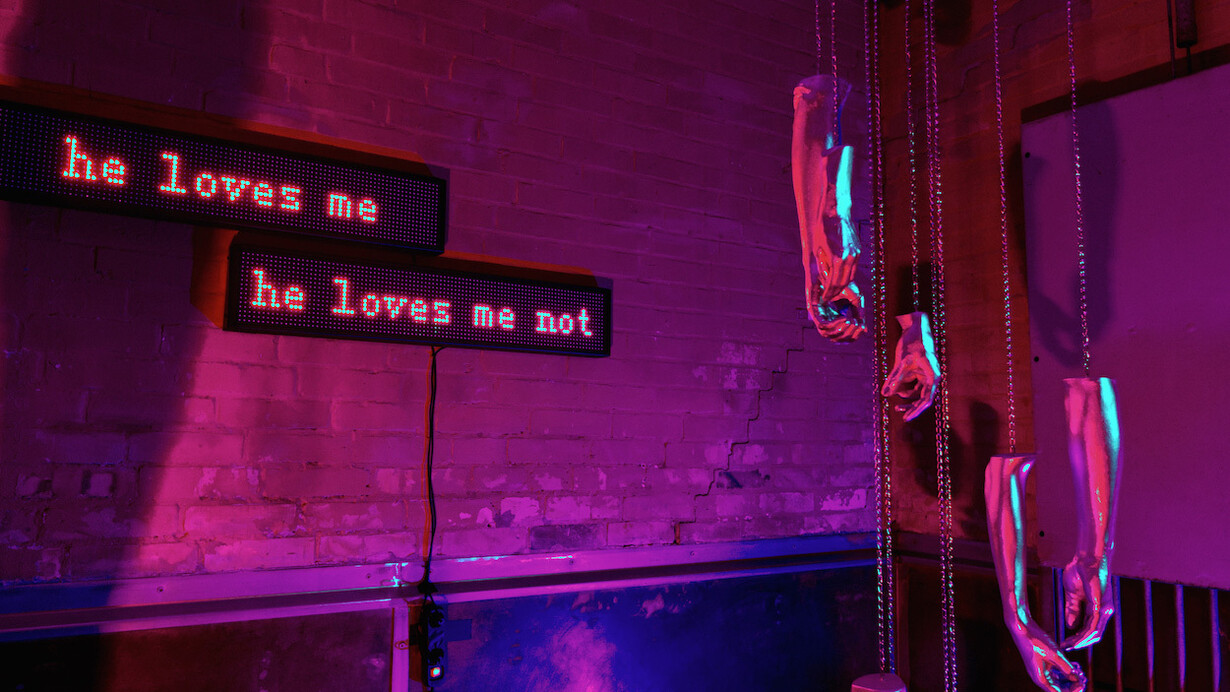
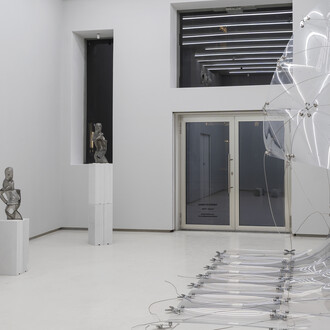
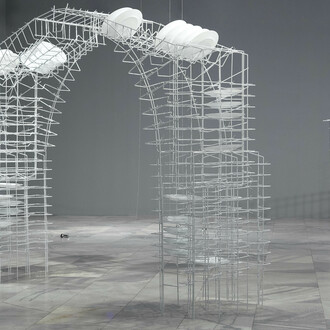
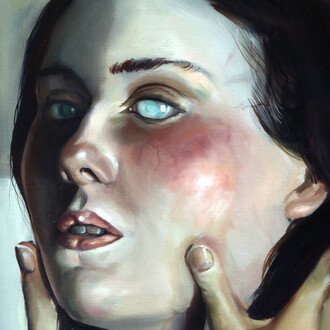
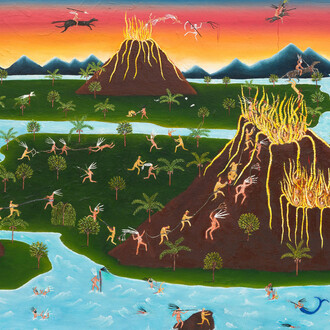
Tempesta Gallery presents Pain of pleasure, a group exhibition curated by Domenico de Chirico featuring works by Christa Joo Hyun D’Angelo, Mads Hyldgaard Nielsen, and Sally von Rosen.
The exhibition stems from the paradox inherent in pleasure, understood not as a mere gratifying experience but as an ambivalent force — one that both generates and destroys, merging ecstasy and suffering. Following the logic of Lacanian jouissance — an excessive and often painful form of enjoyment — Pain of Pleasure explores what happens when desire transcends symbolic boundaries to become body, matter, and loss.
As Domenico de Chirico writes in his curatorial text, “Pain of pleasure offers no catharsis, but a liminal experience. It does not invite us to choose between pain and pleasure, but to linger in their co-belonging, in that point where one transforms into the other.”
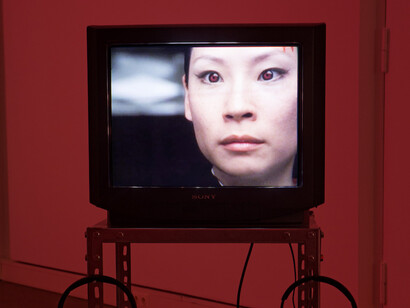
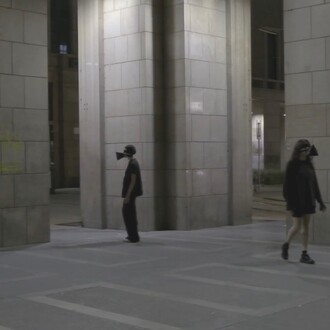
In the video The death drive – A love story, Christa Joo Hyun D’Angelo intertwines cinema, pop culture, and autobiography to investigate trauma and the drift of love as a form of domination. Her imagery stages violence not as an event, but as an affective grammar — nourished by the same wound from which love itself arises.
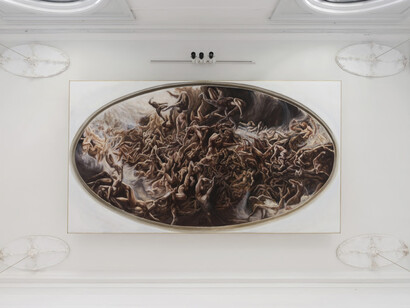
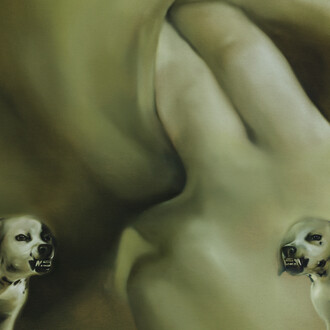
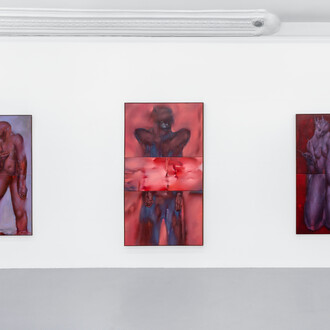
The paintings of Mads Hyldgaard Nielsen, baroque in spirit and visionary in tone, evoke explosions of light and matter, bodies in tension that embody the threshold between ecstasy and pain. In his work, painting becomes a purely sensorial experience — a field of forces where energy manifests and consumes itself.
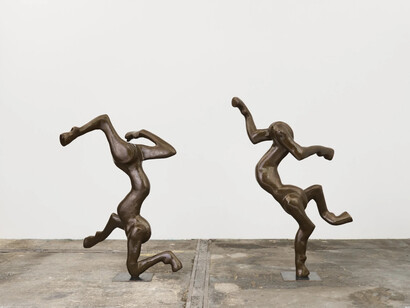
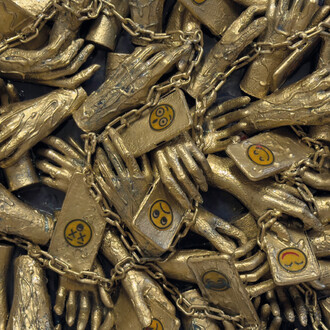
Sally von Rosen’s hybrid and metamorphic sculptures unite organic and artificial dimensions, reclaiming the intrinsic vitality of matter. The body, fragmented and in transformation, becomes a site of desire and resistance, evoking Jane Bennett’s vital materialism and the performative tradition of feminist art.
Through different media — video, painting, and sculpture — Pain of pleasure articulates a reflection on desire as embodied knowledge, on vulnerability as a form of presence, and on sensitivity as a political act.
In an era marked by affective anesthesia and the virtualization of the body, the exhibition invites us to reconsider pleasure and pain as vital, complementary, and irreducible experiences.