English
 Español
 Français
 Deutsch
 Italiano
 Português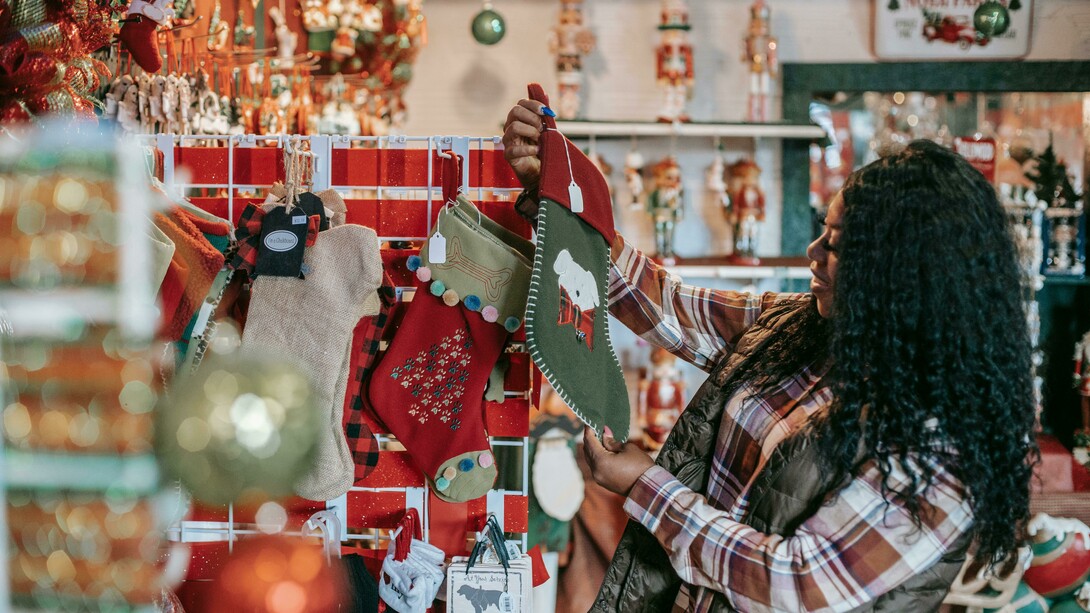
The day after Halloween, I stopped by the shops for a few ingredients to make cookies. It was meant to be a simple errand, but as I walked through the aisles, I was struck by the sight of Christmas already in full bloom, rows of glittering decorations and neatly stacked gift sets. Just beside them, the remnants of Halloween still lingered on the shelves, plastic pumpkins and ghost-shaped sweets waiting for someone to notice them. I couldn’t help but wonder about the rhythm of it all, how quickly we move from one season to the next, and what becomes of everything left behind.
It reminded me of a documentary I watched a few months ago, “Buy Now! The Shopping Conspiracy,” on Netflix, which completely changed how I think about the things I buy. It peeled back the layers of our consumer culture, revealing how convenience and marketing often mask the environmental cost of production. Since then, I’ve tried to be more mindful about where and how I spend, asking myself whether my choices reflect what I actually need or what I’ve been persuaded to want.
It made me think about the sheer volume of things we buy and discard every season, the Halloween costumes worn once, the accessories that break before the night is over, and the themed decorations that lose their meaning as soon as the day ends. Then comes the wrapping paper: sheets of it torn apart in seconds, used to conceal gifts that will soon be revealed, admired, and forgotten. It’s a strange kind of irony how something made purely to be destroyed has become such a staple of celebration. Over time, I’ve started changing small habits: I no longer wrap gifts, I reuse gift bags when I can, and I try to choose presents that have a life beyond the season.
I do see the magic in it all—the lights, the colors, and the sense of joy that fills the air. There’s something undeniably beautiful about it. But at the same time, its beauty is built on things designed for a single moment, products created to celebrate one day, destined to be forgotten the next.
Behind that beauty is an enormous engine of production, constantly working to meet our appetite for novelty. Factories around the world churn out decorations, costumes, and gifts by the millions, each made to capture a brief burst of happiness before being replaced by the next trend or season. It’s a cycle that never truly pauses; Halloween flows into Christmas, which blends into Valentine’s Day, and so on, a continuous loop of consumption disguised as celebration. And somewhere in that endless production line, the meaning of these moments begins to blur.
But the environmental cost is real. From the glitter-covered wrapping paper that cannot be recycled to the short-lived costumes and plastic decorations that fill landfills, studies show that household waste spikes by 25–30% (1) during the holiday season. Single-use items are everywhere, and the materials, energy, and labor poured into producing them are gone almost as soon as the festivities end. Even the products that make it home can quickly lose their sparkle, replaced by the next season’s offerings.
It’s not just about the environment; it’s about the way we’re conditioned to consume. Marketing campaigns, social pressure, and the ritualization of gift-giving push us to buy more, to do more, and to celebrate with more, as if the act of consumption itself is proof of love or care. And yet, the joy derived from these items is often fleeting. The “happiness” we chase through purchase and unwrapping is temporary, while the waste we generate persists.
In my own life, I’ve tried to slow down. I look for gifts that can be used again, gifts that leave a positive footprint, or experiences that create lasting memories rather than clutter. I no longer wrap presents in single-use paper, and I reuse bags whenever I can. These small acts don’t stop the global machine of production, but they do shift the rhythm of my own consumption, making me pause, reflect, and consider what truly brings happiness.
Perhaps the challenge for all of us is to find ways to embrace the magic of these celebrations without succumbing to the mass-produced excess that surrounds them. To celebrate without waste. To gift without guilt. And to recognize that the truest joy may not be in what we unwrap, but in the time, care, and intention we pour into giving and living sustainably.
Another key quirk of our consumer culture I’ve noticed is the way we decorate and spend money anew for every changing season. Autumn arrives, and the stores fill with pillows, duvet covers, and home accessories adorned with pumpkins, leaves, and earthy brown tones. Summer brings beach-themed products, spring showers us with floral prints, and winter blankets our homes in snowflake motifs. Each season arrives with its own wave of mass-produced items, designed to create a sense of novelty, even though the cycle repeats year after year. It’s a rhythm that can feel comforting, but it also underlines how much we invest, in both money and materials, in things that are often disposable, fleeting, or purely decorative.
The way we cycle through buying every season feels almost like a heartbeat—steady, expected, and hard to miss. Each year the ads nudge us to freshen up our homes, swap out wardrobes, and chase the latest autumn, winter, spring, or summer look. It isn’t just about pretty decorations; it’s a quiet lesson that happiness and novelty can be bought, that joy lives in new things rather than in moments.
But most of those purchases are fleeting. A costume, a set of holiday linens, and a handful of themed accessories—often they see the light of day just a few times before they’re shoved into a closet, swapped for the next trend, or tossed. All that effort, raw materials, energy, labor, and shipping go into items meant to last only a season. Even when we try to reuse or recycle, a lot still ends up in landfills, feeding an endless loop of production and waste.
It also reshapes how we view objects. Instead of being treasured for use or memory, many pieces exist only to mark a calendar date or a trend. The pleasure they give is brief, yet the environmental and emotional footprints linger, reminding us of the excess we barely notice.
Over time, I’ve realized that the way I spend my money is a reflection of my values. I buy second-hand whenever I can, support charities, and avoid purchasing new clothes unnecessarily. When I do invest in something new, I research its materials and durability, making sure it can last across seasons rather than serving as a single-use item. These choices don’t just reduce waste; they change the way I relate to the objects I own, turning consumption into a more deliberate, thoughtful act.
The holidays, and the changing of the seasons, will always carry their magic, the lights, the colors, and the joy of celebration. But by approaching consumption with mindfulness, I’ve learned to enjoy that magic without being swept into its excesses. True celebration, I’ve discovered, doesn’t require endless novelty or fleeting trends; it comes from intention, care, and a conscious connection to the world around us. Perhaps the most meaningful gift we can give, to ourselves, to others, and to the planet, is the choice to buy less, choose well, and celebrate with awareness.
References
The Impact of Seasonal Waste on Local Authorities.
Christmas over-consumption: Why we shop the way we do (even climate activists!)