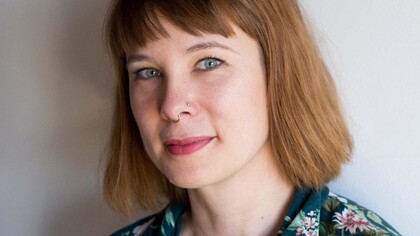
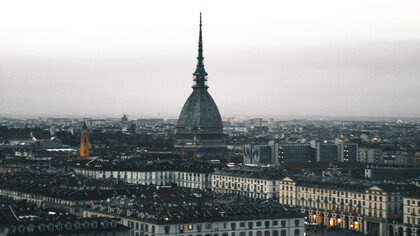
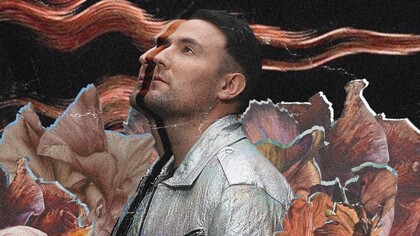
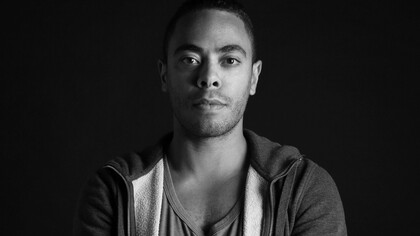
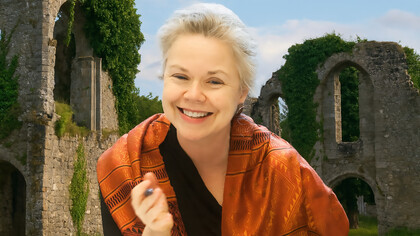
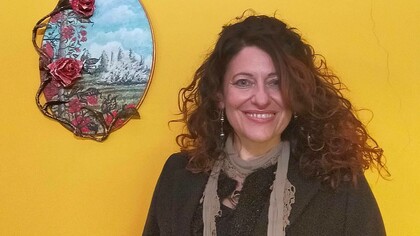
I was born in Turin, a city that continues to represent both an emotional and cultural horizon, and it is there that I completed part of my course of study, specializing in North American literature. My decision to focus on this field was not accidental: from my university years onward, I felt a deep need to engage with a literary tradition capable of combining ethical tension and formal experimentation, historical rootedness, and a drive toward elsewhere. This dual movement—between belonging and openness—has gradually become the defining feature of my intellectual work.
For many years I have been involved in both teaching and writing, two dimensions I consider inseparable. Teaching offers me living contact with younger generations and requires constant clarity, rigor, and attentive listening; writing, by contrast, is the space in which experience settles and transforms into narrative, essay, and critical reflection. In both areas I have never set aside my passion for the arts, understood as a territory of crossings: literature, theatre, visual arts, and music enter into dialogue with one another and contribute to shaping a layered and complex vision of reality.
I write about what ignites my curiosity, having always felt the need to share what I discover. Conveying to others the emotion of a book I have read, an exhibition I have visited, or a meaningful encounter is, for me, an unparalleled form of knowledge. It is not merely a matter of informing but of engaging: to make readers participants in an experience is to provide them with tools to orient themselves, to question both past and present, and to build a personal dialogue with works and their creators.
The countries I have visited and the people I have met in the course of my research have generated a web of relationships and inspirations reflected in my work. Every journey has become an opportunity for study and writing; every encounter, a piece of a broader mosaic. From this have emerged essays, reports, and thematic paths through which I seek to involve an ever-wider readership, convinced that words possess an intrinsic, incandescent value. If it is true that we are also shaped by the words our favorite artists give us, then it becomes essential to preserve, respect, and share them.
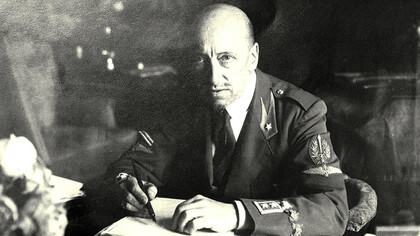
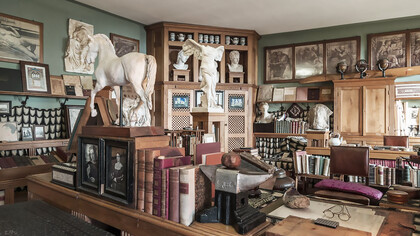
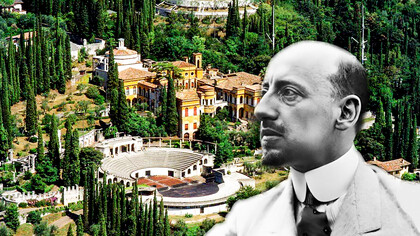
For several years I have pursued personal and academic research on Gabriele d’Annunzio, a central figure of the international Belle Époque who is often confined within a simplified and outdated narrative. With a popularizing approach grounded in solid documentary research, my aim is to help restore a fully rounded image of both the man and the writer, moving beyond interpretative frameworks that no longer suffice. The collective imagination tends to associate d’Annunzio almost exclusively with Pescara and the Vittoriale degli Italiani; yet his traces—physical, symbolic, and cultural—are scattered across many other places, ready to reveal themselves to a curious gaze.
I have published a series of essays dedicated to d’Annunzio’s relationships with Piedmont, Great Britain, and other significant contexts in his biography. In D’Annunzio: Tracce piemontesi, introduced by Franco Di Tizio and enriched by interviews with writers, directors, costume designers, and collectors, I examined the poet’s presence in the Piedmontese territory, concluding with a conversation with Giordano Bruno Guerri about the future of the Vittoriale. The volume seeks to demonstrate that his bond with Piedmont is not marginal but an integral part of a broader cultural geography.
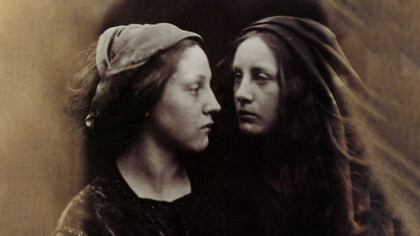
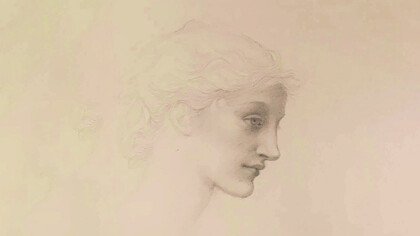
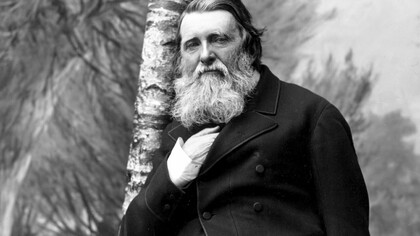
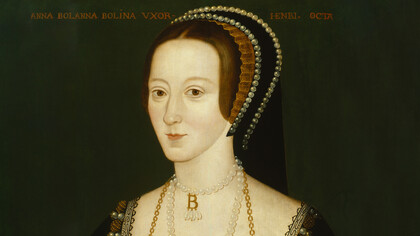
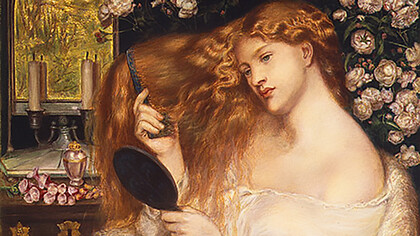
In D’Annunzio: Connessioni d’Oltremanica, I turned my attention to Great Britain and Ireland, highlighting the artistic and literary affinities and debts that link the poet to the Anglo-Saxon world. His sensitivity to avant-garde aesthetics, Pre-Raphaelite influences, and symbolic language reveals an intense and fruitful dialogue with overseas culture. Authoritative introductions and interviews with scholars and curators further broaden the perspective.
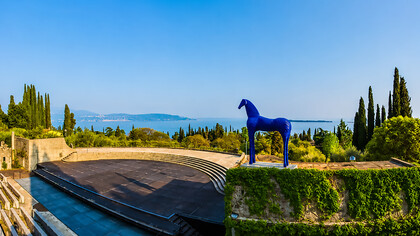
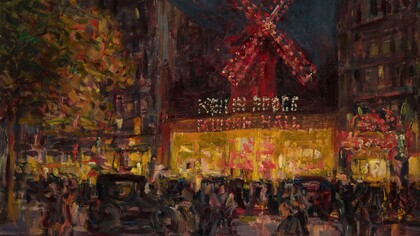
In D’Annunzio: Passeggiate d’Arte e Voluttà, I envisioned itineraries through Rome, Venice, Tuscany, Abruzzo, Paris, and, naturally, the Vittoriale degli Italiani. The volume offers paths that readers may follow while traveling or simply by turning its pages, immersing themselves in a universe where places, arts, and sensations intertwine. The traces left by the poet thus re-emerge as living presences, still capable of speaking to our time.
With D’Annunzio: Legami siciliani, I continued this exploration in Sicily, among echoes of the Belle Époque, figures such as Donna Franca Florio and Eleonora Duse, relationships with Sicilian writers, and dialect translations of his plays. Sicily becomes the protagonist of an inquiry that unites history, literature, and imagination, culminating in a surprising appendix.
In 2024, Edizioni Di Felice published a new edition of the poem Isaotta Guttadauro under my editorship; in 2025, a new edition of Il Trionfo della Morte followed. Through these editorial projects, I continue to pursue the aim that guides my entire path: to restore complexity, depth, and vitality to an author who indelibly shaped European culture, and to invite readers to rediscover him with an open and discerning gaze.


 English
 Español
 Français
 Deutsch
 Italiano
 Português
 Italiano