English
 Español
 Français
 Deutsch
 Italiano
 Português
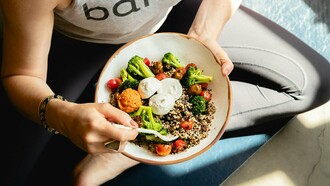
A colorful dish of grilled salmon and asparagus, a bowl of quinoa salad, a bunch of fresh herbs, and a calorie-tracking application on a smartphone.
Have you ever wondered why some food combinations can be a delicious treat in a weight loss process and at the same time be considered a goal-friendly food? Food pairing has become more than just about real meals in a diet-conscious and weight-conscious world, as dietetics has grown to accept low-calorie, nutrient-rich food, and thus fits the bill of managing weight correctly. To avoid needing a gustationist to match this with, these combinations will not only be a natural fit physically but also beneficial to the body; they are also designed to nourish, fill up, and keep the weight off at a sustainable rate.
This paper discusses the science and strategy of food pairings at low calories with consideration to dietetics in weight management. We will explore how these options are used to use nutrition as an aid to reducing cravings, gaining satiety, and fat loss, and take into account some trendy options such as plant-based fusions and functional ingredients. You are either a dieter who wants to be smarter about what you eat, a health lover who values nutrition, or you are simply interested in finding out what happens when the two worlds of culinary arts and dietetics collide. Get ready to make your dining rituals a long-term source of your health.
The nutritional foundation: why low-calorie foods are important in losing weight
The core of dietetics in weight management is caloric balance, which is a lower intake of calories in relation to the amount of calories burned, and the diet should be nutrient-dense to eliminate deficiencies and hunger. Low-calorie foods replace the traditional high-calorie foods that contain diets of hidden sugars and fats, which derail this. They are prepared using innovations, including portion control, whole-food preparations, and nutrient-enhancing methods that help in preserving vitamins, minerals, and fiber without adding bulk to the food, thus making them under 200 calories per serving.
Caloric breakdown and innovations: low-calorie foods normally focus on lean proteins, vegetables, and whole grains cooked using techniques such as steaming or grilling to reduce the consumption of added fats. As an example, a portion of grilled chicken breast could only have 150 calories and contain energy-metabolizing vitamin B6. Nutritionally, this is in line with the recommendations of other organizations, such as the Academy of Nutrition and Dietetics, which suggests balanced plates where half of the plate is covered by veggies, a quarter by protein, and a quarter by grains to prevent the shortages of micronutrients found in restrictive diets.
Metabolic boost nutrient density: more than calories, these foods provide such bioactives as antioxidants in the berry (linked to fat burning) and fiber in the legume (anti-inflammatory, aiding digestion). Combining them produces synergetic effects, e.g., spinach and eggs are more effective in the absorption of iron, preventing anemia threats in low-calorie diets. According to Journal of Nutrition research studies, this kind of pairing has the capacity to raise satiety hormones such as leptin, which decreases the total intake by 10-15 per cent compared to high-calorie alternatives.
To elaborate more, one can refer to the use of micronutrients in weight management. Vitamin D, which is commonly low in low-calorie diets because of the lack of fat, can be supplemented by eating fortified foods such as mushrooms or fortified plant milks together with leafy greens. This helps support bone health; it is also helpful in the metabolism of fat, as studies in the American Journal of Clinical Nutrition have shown that an adequate amount of vitamin D can increase the thermogenesis of the body, or the capacity to burn calories to generate heat. Equally, magnesium-containing combinations, including almonds and dark leafy greens, enhance muscle activity and stress-related diet, which is paramount to weight loss programs' long-term compliance.
Food technology innovation is also another important factor. An example of this is puffed quinoa, which is a product of extrusion. The process maintains the nutritional content of the original grain and brings the caloric value of the product down to a level that allows the consumer to consume more without an equal increase in energy consumption.
Therefore, these innovations make low-calorie foods not just a food limitation but a nutritionally efficient food that will give the highest possible amount of caloric value.
Sensory and psychological solutions: combining low-calorie pizzas and perceived irresistibility
It is also not just a matter of taste; the process of pairing works as a psychological dance that plays into the amount of intake and the sensory bliss. When low-calorie foods are well designed, they capitalize on the desire to enjoy oneself, thus making the weight management programs less boring.
Visual and olfactory: mindful eating is done visually, with colorful and vibrant dishes being an indicator of freshness, which promotes the intake of light food like salads. A stimulating effect can be evoked by the aromatic characteristics of herb- or citrus-seasoned vegetable stir-fries, and both of the mentioned combinations are usually unconsciously associated with health ambitions. Empirical data on sensory psychology points to the fact that these cues diminish the feeling of starvation, and as a result, these cues elevate compliance with the dietary programs by around 20.
Texture and flavor synergy: low-fat yogurts, namely the creamy ones, are paired with crisp and raw vegetables to create an impression of oral freshness without causing excessive fullness. An example is broccoli, which provides a high percentage of fiber at a reduced caloric value, and its natural complement with grilled fish is known to be good for gut health. This neurogastronomic texture interaction offers reward pathway excitation with lower spikes of dopamine than sweet alternatives, thereby reducing the bingeing response.
Positive relationships: emotional and Habit-Forming Pairings: Associative processes can be seen in the case of an achievement bowl of quinoa and fresh fruit that can result in the feeling of accomplishment. These pairings can be registered by dietary software like MyFitnessPal, therefore strengthening the conscious decision-making process. A new culinary experience, such as herb-infused seasonings, provides new gastric sensations, which overcome tasting fatigue in long-term weight-loss programs.
In the continued research of the psychological aspect, it can be found that what the experience eventually develops into is the idea of a food reward. The cravings can be reduced by low-calorie combinations that bring the umami taste, like tomatoes and mushrooms. Research findings on the topic of the Appetite journal show that dieters tracking their diet on sensory-rich, low-calorie foods report greater satisfaction and lower turnover rates in weight loss plans. In addition, the psychological benefits can be increased with mindfulness exercises, such as performing slowly when eating and enjoying the taste, which can make the meal more of a meditation and strengthen good habits.
Pairings can be used emotionally in dealing with comfort eating. Indicatively, combining warm soups and crunchy things (such as carrot sticks in lentil stew) offers the nostalgia of comfort foods without adding calories. This emotional intelligence of dietetics can be used to overcome the stress-induced overeating that many people often experience as an impediment to weight loss.
New trends in low-calorie foods dietetic development
The food world is becoming innovative to satisfy dietary needs, and the food trends are taking nutrition more seriously than tradition.
Plant-based and functional brands and recipes are dedicated to low-cal plant blends, such as patties made of chickpea and supplemented with probiotics to keep the gut healthy. Nutrient-enriched grains (e.g., iron-enriched quinoa) can be considered an innovation that improves metabolism.
Sustainable and organic focus: Regenerative farming is a producer of nutrient-rich products with an increase in polyphenols. Food-wise, these are comparable to whole-food diets, which decrease contact with pesticides that may interfere with hormones and weight.
Tech-integrated meals: the apps will recommend matching meals according to the nutritional requirements, with the addition of AI-based algorithms to create a low-calorie meal that elevates satiety.
Continuing on the trends, the emergence of customized diets is changing low-calorie combinations. Apps could make pairings based on individual needs, such as high-fiber foods for people with insulin resistance, using genetic testing or therapy of the microbiome. Even functional foods such as those laced with prebiotics (e.g., inulin in chicory root combined with yogurt) not only facilitate weight loss by boosting the diversity of the gut bacteria but are also overall beneficial to metabolic well-being.
Sustainability not only includes the agricultural methods but also includes methods used to reduce food waste by using innovative food pairings, which makes it easier to use the surplus of food. As an illustration, recycling vegetable scraps into low-calorie broths combined with lean meat forms nutrient-rich bases that add flavor and do not add extra calories. This tendency is in line with dietetic objectives of environmental health, considering that sustainable eating minimizes the carbon footprint of food production, indirectly condoning weight control by promoting mindful eating.
Operational pairing experiments: recipes and nutrition
We can use these principles with an example of the real world, which is the number of calories and nutrient features, as well as dietary advice.
Low-carb veggie-protein stir-fry grilled chicken and broccoli stir-fry
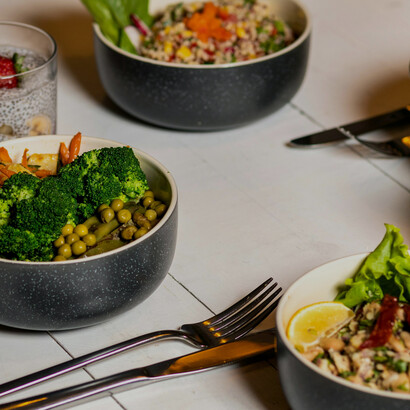
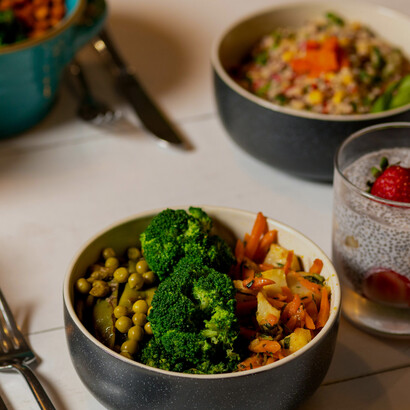
One of the grilled chicken dishes (150 calories per serving) is served with steamed broccoli (50 calories), and the savory taste of the first one is complemented by the freshness of the second one. Chicken is nutritionally beneficial, as it helps the body repair muscles, whereas broccoli is beneficial in terms of vitamin C, which aids immunity. Dietetic twist: Ginger is an anti-inflammatory synergist to increase metabolism in the event of a calorie deficit. Instruction: Stir-fry chicken with garlic and broccoli, and serve on greens. Complete meal: approx. 300 calories, which is rich in fiber, to maintain a healthy weight.
Greek yogurt with berry parfait dairy alternative with fruits
Greek yogurt (100 calories) that is plain and then combined with mixed berries (50 calories) will form a tasty harmony that is creamy and tart. Some of the nutrients are probiotics to take care of the gut and antioxidants to oxidize fats. Innovation: Chia seed layer as a source of omega-3s. Dietetic value: The carbs are balanced by the protein in the yogurt, which does not cause blood sugar spikes and therefore does not block weight loss.
Grain and seafood whole grain with seafood: quinoa and salmon salad
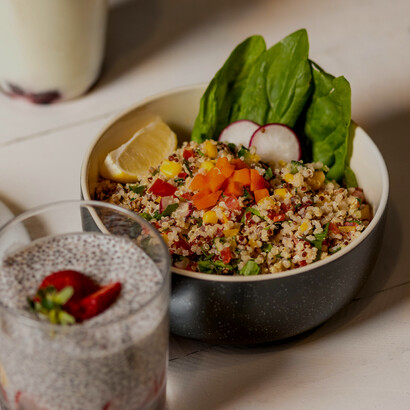
Quinoa (200 cal/cup) is softening salmon (200 cal), and the nutty aromas of this grain bring the food to the next level. It is also rich in omega-3s and magnesium, which help in energy metabolism. Swapping hack: Replace extra calories with lemon vinaigrette. Research indicates that this combination raises the thermic effect, burning up more calories after meals.
Veggie-based and legume lentil soup and kale
A lentil soup (180 calories) and sauteed kale (40 calories) make one feel comforted by the grounded and hearty meal. Lentils contain fiber that helps in digestion, and kale contains vitamins that improve the immune system. Dietetic advantage: Iron and lentils, plus vitamin C in kale, will facilitate absorption and lower emotional consumption.
Dessert alternative: chia pudding dark chocolate
The antioxidant pudding, 150 calories of chia pudding with 50 calories of cocoa shavings (70% cocoa), is free of sugar overload. Flavonoids are beneficial nutritionally in terms of circulation, which assists in the recovery from exercise. Dietary recommendation: the amounts of food should be taken in small portions to ensure that there is a caloric deficit.
Dietetic interventions to be implemented
It is proposed to create the weight-management program in the form of a structure. To combine these mixes, it is advisable to adhere to evidence-based diets such as the DASH and the Mediterranean diets, depending on the emphasis laid on whole foods.
Calorie tracking and portion control: a combination can be traced with the help of applications to achieve 300-500 calories per meal. The dietitians recommend that the plates be placed evenly so as not to surpass the daily caloric intakes.
Meal balance and schedule: solid protein and vegetable food combinations can reduce metabolism and improve sleeping; calories that are eaten at the end of the night should be avoided because they may tend to disrupt circadian rhythm and metabolism.
Supplementation and monitoring: In instances where some deficiencies exist in the nutritional system (e.g., vitamin D in groups with minimal exposure to the sun), then fortified food would be a good alternative. With the aid of professional advice, the development of individualized plans is to be done.
Long-term sustainability: the most effective way to ensure maximum is rotating the dietary partners to avoid monotony and linking the changes in diet to physical activity. The study conducted by the American Journal of Clinical Nutrition indicates that mindful eaters lose weight more quickly when they are matched prudently.
Planning is needed to incorporate such strategies into day-to-day life. As an example, the preparation of low-cal pairings at least once a week over the weekend may help the person be able to follow it throughout the hectic weeks. Monitoring not only calories but also macronutrients (e.g., targeting 40% carbs, 30% protein, and 30% fats) can be used to prevent muscle loss during weight loss. Moreover, fasting and/or starving combined with these combinations, e.g., eating between the hours of 8, can enhance the effects of burning fat, which is also backed by research published by the New England Journal of Medicine.
Overcoming obstacles: myths, dangers, and advice of experts
Mythbusters: not every low-calorie food is the same; look at labels to find out hidden sugars.
Myth: carbs make people gain weight; reality: Whole grains help them do so through fiber.
Potential risks: Over-restriction may result in fatigue. In case of a condition such as diabetes, it is better to concentrate on low-glycemic products.
When it comes to opinions of experts, Dietitian Jane Smith says, "Low-cal pairings give power to the client as the diets are made enjoyable and adherence increases by 30%. Chef Marco Rossi extends this and says that innovation in plant-based cooking results in nutrient bombs that can compete with superfoods.
As challenges are elaborated, the pitfall that the company needs to avoid is the so-called yo-yo effect of dieting, in which a sudden weight loss is followed by a subsequent weight gain. This is reduced by low-calorie pairing, which encourages gradual, sustainable changes. For food-intolerant people, e.g., gluten-sensitive people, they should offer alternatives such as buckwheat or rice-based pairings, which should be inclusive. Risks such as nutrient deficiencies can be managed as a result of regular blood tests, which will determine changes in pairing.
The role of the community is stressed by the experts in the field of nutrition. Joining support groups or web forums where people can exchange low-calorie pairing recipes can enhance motivation and offer accountability, and make personal success a shared one.
Be an experimenter: one new food combo should be introduced each week, and then the levels of satiety and energy have to be noted thereafter.
Select organic, whole foods: organic and whole-food labels are to be chosen in order to gain maximum benefits.
Fit with Lifestyle: walking and yoga could help maintain weight.
Refer to a dietitian: Hiring the services of a dietitian can help match the combination of food to personal comfort.
These two combinations, when applied, manage to maintain weight but also allow physiological vitality and sustained energy as well. Also, plate preparation is a process of transformation. Bonne nourriture à la mesure de débauchery !