English
 Español
 Français
 Deutsch
 Italiano
 Português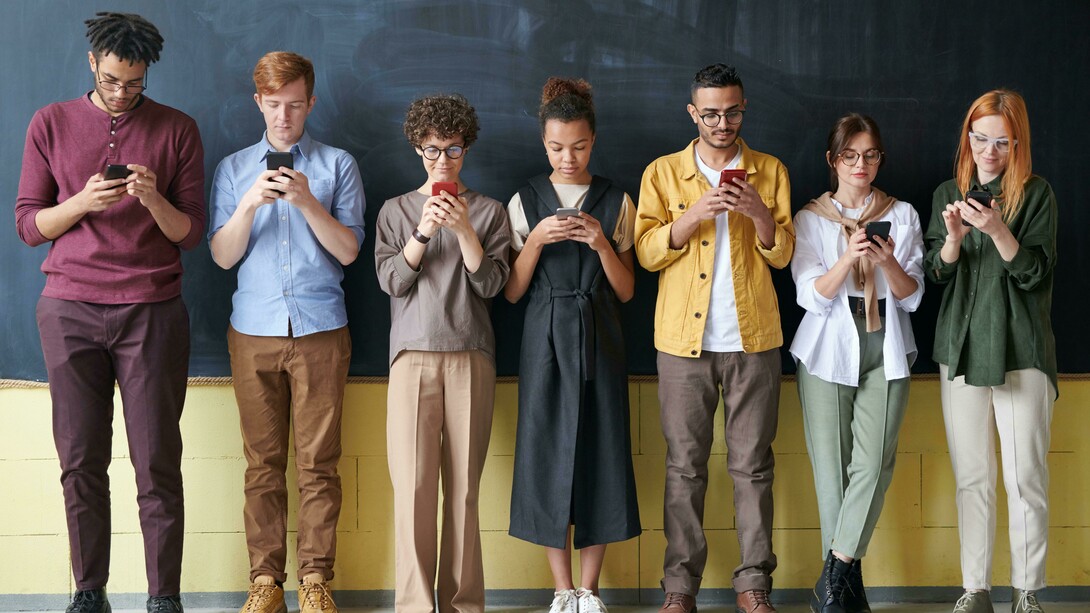
People often say, “Social media changed everything; it changed humanity.” They claim it rewired how we think, talk, love, and even hate. But the truth is, if you look closely, social media didn’t really change us; it simply revealed us. It didn’t create new traits in people; it magnified them. It held up a mirror so clear that it stripped away filters of social setting and left behind raw intention, which was laid bare for everyone to witness.
Before the digital age, human nature played out quietly within homes, workplaces, and communities. The difference is that back then, our private thoughts were confined to our homes, our diaries, and our limited social circles. Now, a like or a share can broadcast them to the world.
In my personal opinion, social media didn’t make people more foolish or more ambitious, more sick-minded or more pious; it only amplified what was already inside them. The impulses were there – envy, curiosity, compassion, arrogance – but they were restrained by context. You didn’t say everything you thought back then. You didn’t act on every urge. Then came social media, and suddenly, the context disappeared. Behind screens, people found freedom to express what had always existed inside them.
Take, for instance, a girl who starts posting foolish videos on TikTok to gain attention. When criticised, she blames social media exposure, claiming that the platform pressures her to act this way or that “everyone’s doing it.” But in truth, this desire for attention was already there long before social media. TikTok just gave her a stage to express it. Seeing her friends gain followers or make money only fuels what was already inside, jealousy and insecurity, not something that social media has created, but it just removed the barriers that once hid her true nature and brought it to the surface.
Science actually supports this. Studies in psychology and neuroscience have long shown that behaviour begins with intention, not circumstance. While the environment can trigger or shape expression, the seed of behaviour lives within. According to cognitive neuroscience, the brain’s prefrontal cortex, the area responsible for moral reasoning and decision-making, activates before action takes place. In other words, a thought or drive must already exist internally before any external influence can bring it out.
When you scroll through a social feed, you can spot patterns that say more about people than their words ever could. The one constantly spreading negativity or mockery isn’t “just joking”; they’re revealing their insecurity or bitterness inside them. The one who shares uplifting content and celebrates others’ achievements isn’t “too positive”; they’re showing gratitude and hope. What you write, post, like, or even comment on reflects the energy you carry within you.
Some people underestimate this. They say, “Oh, don’t take it seriously. I was just bored and scrolling.” But boredom doesn’t erase intention. When you’re bored, your guard is down, and that’s exactly when your true preferences surface. You click what interests you. You share what resonates. You laugh at what you find funny. People underestimate how much their online trail reveals. Every moment spent on social media is a reflection of you. Every digital footprint you leave is a tiny confession of character.
In real life, people can hide behind manners or masks. Online, the filters might blur faces, but they can’t hide intentions. You can read a person by their digital behaviour as clearly as you can read body language in a room. The rude comment under a stranger’s post reveals frustration seeking an outlet. The constant chase for likes exposes a craving for validation. The silence of someone who rarely posts can speak too, sometimes of peace, sometimes of fear.
So no, social media didn’t create narcissists or bullies. It didn’t invent generosity or integrity. It just made those qualities visible. What each person does with that spotlight reveals whether they crave attention, seek truth, or simply wish to connect.
It’s easy to say, “You can’t really know me from what I share.” But in truth, we can. Because what you share is a glimpse of what you value, even subconsciously. You share humour that aligns with your worldview. You comment on topics that reflect your convictions. You react to injustice or beauty because something in you connects deeply with it. None of this is random; it’s psychological truth.
So, when someone shares cruelty online, social media didn’t plant that seed. It just gave it sunlight. When someone consistently spreads empathy, social media didn’t create their kindness. It simply gave it voice. Social media didn’t create new personalities.
That’s why our digital selves are so revealing. What we write, post, like, or share are not random acts; they are expressions of an inner world made visible. The more we type, the more we reveal what drives us.
So, the next time you scroll, post, or react, pause. Ask yourself: What does this reflect about me? Because no matter how much we try to disguise it, the truth remains. Social media didn’t change us. It just took the walls down and gave everyone a microphone, where some chose to whisper wisdom while others screamed chaos. But both spoke from the same source, the inner self. Social media let the world see who we’ve been all along.