English
 Español
 Français
 Deutsch
 Italiano
 Português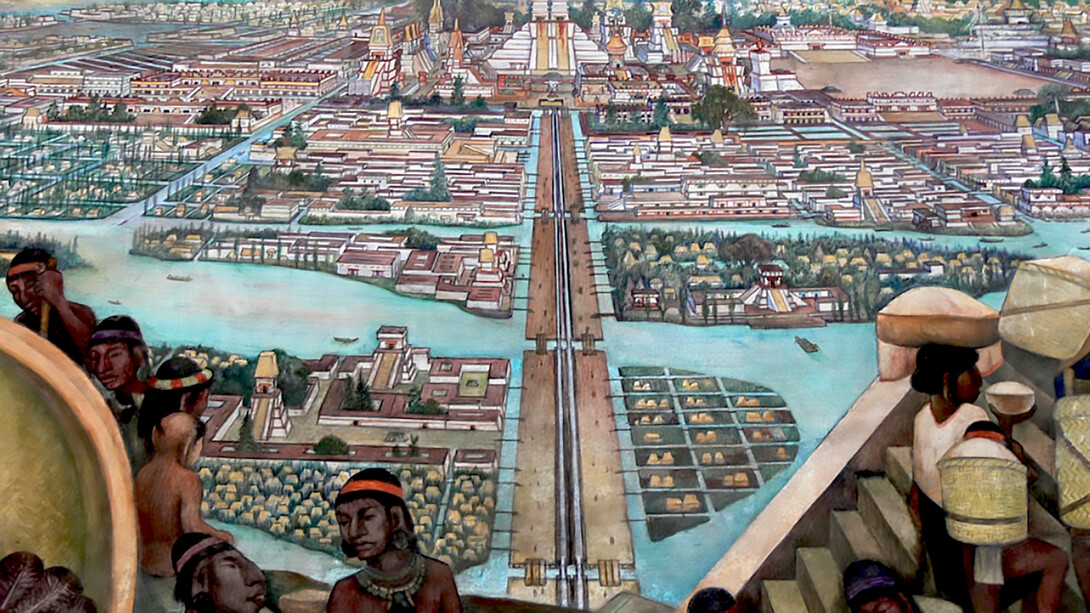
Take a look around you. What do you see? You may be inside a flat, a house, or an office, or maybe you are out in nature. Perhaps it is none of the above. Our surroundings can define our everyday lives more than we think: the colors we perceive, the faces we encounter, and the sounds we hear. They are all puzzles that form our reality, our mood, our feelings, and our thoughts. Human beings, like many other animals, are highly sensitive and often very aware of the numerous images and perceptions accompanying each experience.
You may be reading this article on a computer screen while having ten more tabs open on your browser. We have trained ourselves to be able to do that with ease, without being completely overwhelmed. Today’s world has become a fast-paced one. This can be seen especially in the online world. Social media channels, like Instagram, constantly get new updates that enable the app to offer as much content as possible to its users. Even if someone does not move within such an environment, the world is still changing rapidly and continues to do so every minute.
What about the built environment? In the last decades, it has joined the fast pace as well. The faster a building stands, the better. Currently, there are a number of big cities around the world that span hundreds and thousands of square kilometers. Between walls and cars, someone could easily lose sight of the nearest park or sometimes even the nearest tree. While there are a lot of cities that have integrated flourishing green spaces into their urban planning, many others seem to have taken a completely diverse path. An urban lifestyle does not have to be like that, though.
What does this lack of greenery do to us and our health? Humans need green spaces to function properly, not only physically but also mentally. There are numerous benefits of green space that have been proven to be essential for our well-being. This has always been like that, and many cultures and civilizations were fully aware of it.
There are a number of studies that show evidence of the association of the provision of open and green spaces with improved general physical health outcomes. According to the European Environment Agency, every 10% increase in green space is associated with a reduction in diseases equivalent to an increase of five years of life expectancy. Access to natural environments can also improve overall mental health. According to research, green spaces have the ability to reduce stress and depressive symptoms, enhance cognitive function, enhance mindfulness and short-term memory performance, and enhance creativity.
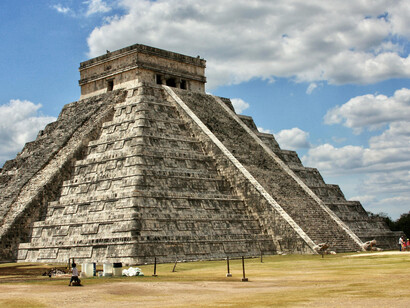
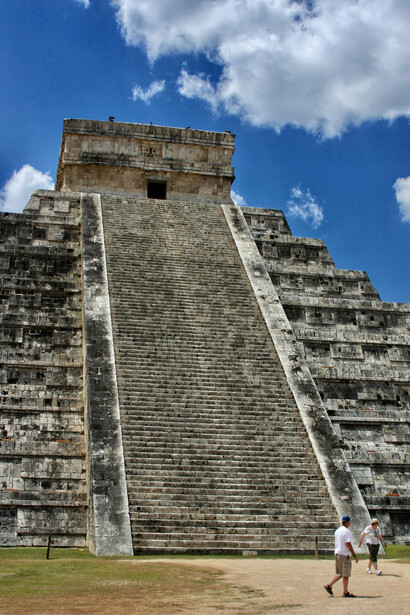
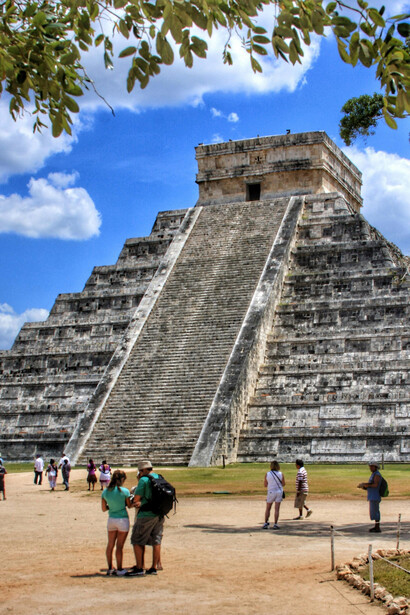
The establishment of cities around and within green spaces in ancient times also had a lot to do with necessities, like water and food supplies, that would ensure the population’s survival. Green spaces within urban settings, though, held further significance, such as cultural and religious ones. The Maya civilization had a sophisticated approach to urban planning, with green spaces playing a vital role in their cities. They viewed nature as sacred, with trees, especially ceiba trees, being considered cosmic symbols connecting the heavens, earth, and the underworld. This cosmology was reflected by urban areas, which strengthened the spiritual harmony between the natural and the built environment.
According to archaeological research, Maya cities were planned with deliberate gaps that let the city “breathe.” The cultural value of balance between human actions and the natural world was expressed in such areas. Temples and palaces were frequently surrounded by open green spaces that were used as meeting spots for political gatherings, festivals, and ceremonies. With their combination of natural elements and monumental architecture, Maya city layouts conveyed ideological values, and their worldview was interwoven with green spaces.
Another ancient civilization that placed a high cultural, spiritual, and practical value on green spaces within their urban environments was the Aztecs. The artificial floating gardens known as the ‘Chinampas’ were constructed in Tenochtitlan, the Aztec capital, by Lake Texcoco. These man-made agricultural islands served as natural wastewater filters and microclimate moderators, in addition to being extremely efficient and visually appealing.
Social organization, sustainability, urban and political planning, religious and symbolic meaning, and resource optimization served as their driving forces.
While maintaining the Chinampas was a state endeavor, its growth was linked to political centralization and imperial ideology. Tenochtitlan's chinampa system, which exemplifies creativity, sustainability, and the cultural significance of urban green infrastructure, continues to serve as a model for modern urban ecological projects.
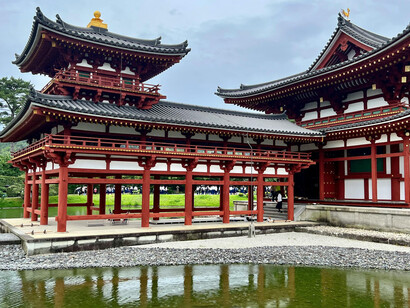
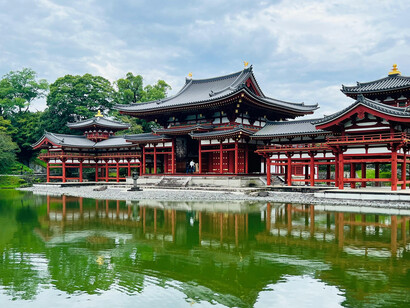
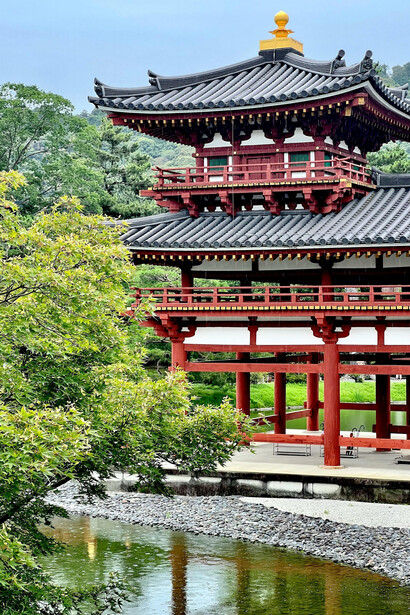
Built in today's Kyoto between the eighth and twelfth centuries CE, the Heian-kyō Imperial Palace Grounds were a rectilinear grid inspired by Chang'an during the Tang dynasty. The grounds included enclosed leisure gardens with blossoming tree groves, man-made islets, and big ponds as their focal points. Traditional ceremonies like flower festivals, moon-viewing parties, and musical performances took place on the grounds.
The ideals of beauty and elegance of the era were embodied in the interaction of natural plants, water, and architecture. The stroll gardens of the Kamakura and Muromachi periods were influenced by the Daidairi relaxing grounds, which served as a model for later Japanese garden design. These designs may still be seen in Kyoto's UNESCO-listed historic gardens today.
Classical Athens in Ancient Greece was renowned for its innovative urban designs, which included residential courtyards, public gymnasia, and sacred gardens. Groves honoring deities like Zeus, Artemis, or Athena frequently surrounded these venues, including the Academy and Lyceum. With a central garden court, the peristyle home connected everyday living with the natural world and functioned as a private family oasis.
These groves were also connected to rituals, mythic history, and the presence of gods. They embodied the values of physical and mental balance and supported aspects such as community health and debates. Greek urban green spaces, both public and private, offered a model of integrative urbanism—functional, spiritual, and social—that profoundly influenced later Roman and Hellenistic planning.
The incorporation of green areas into the public, political, and residential spheres was a defining feature of the Roman Empire’s urban growth. Public parks like the Campus Martius and the trees surrounding the amphitheater were beloved, while the aristocracy commissioned urban home gardens like the Horti. Similar to Nero’s Domus Aurea, the imperial estate successfully recreated the countryside at the center of the city by fusing cultivated estates with untamed, rural landscapes.
Rich in frescoes, fountains, and vegetation, inner peristyle gardens were also a feature of urban homes and mansions in Pompeii, Herculaneum, and Rome. Parks, promenades, and sacred woodlands enhanced everyday life for the urban population. The “lungs” of the city and urban parks were thought to improve air quality, moderate the heat, and provide psychological respite. The “rus in urbe” ideal reflected the Roman aspiration of cultivating nature and culture within reach, emphasizing the virtuous intermingling of rural and urban life.
Centuries later, what has changed in urban planning? The last two centuries have been strongly characterized by new technology, infrastructure, and the constant search for new and more efficient ways to produce and process material. The reflection of that ambition is visible in today’s urban planning. Especially after the Industrial Revolution, the path led increasingly away from nature, while the priority seemed to be the showcasing of the talent to include concrete in everything.
With the kick-off of the 21st century and the expansion of climate change, things appeared to start shifting a little. The effects of green spaces, as was mentioned at the beginning of the article, have begun to be taken more seriously. Parks were getting more care, and new spaces for nature to expand were provided. Their importance is now progressively acknowledged, although some places can be seen lagging behind.
Singapore has implemented into its urban environment a 250-acre green space that has become famous for its merging of modern technology with nature. The impressive Supertree Grove shows how culture, history, and modernity can come together and create a unique and magical experience. Through innovative techniques, Singapore encourages biodiversity and sustainable urban architecture, creating a sense of connection to nature and showcasing that the coexistence of the two environments is not only important but also possible.
Mexico City showed how the revival of ancient wisdom can be of great help in a modern world. The city’s water challenges are being effectively addressed by the Chinampa Project in Xochimilco. This initiative revitalizes wetlands by integrating modern engineering with traditional chinampa techniques. Concurrently, the city is adopting strategies like green roofs, new parks, and constructed wetlands, inspired by ancient Aztec natural water management practices, to bolster urban resilience.
Besides huge projects like the ones mentioned above, there are numerous other ways of integrating green spaces into urban settings. One of the most common, which can be found all around the world, is parks. These green areas are an indication of the active decision that was taken to leave some areas alone and not build huge buildings there. The results are beloved places where people can take a break from the daily hecticness and escape for a few minutes.
One of the most famous parks in the world is probably Central Park in New York City. This park holds great cultural significance, for it has become a trademark for the city that never sleeps. Appearing and playing an important role in many Hollywood films and TV shows, Central Park shows the significance it holds among New York’s population.
Another great example of parks’ role in urban environments is London’s Royal Parks. The group of eight parks provides green spaces for London's population and its visitors, thereby improving their overall well-being. These parks provide cultural events, as well as stunning gardens and wide-open green areas teeming with wildlife, including free-roaming deer in Richmond Park. The encounter with animals is an essential aspect of the park, since many people living in such a big city often do not have the constant opportunity to interact with animals.
Green spaces today, similar to ancient civilizations, still hold a cultural significance in societies. Besides ancient sites that have remained to this day, modern civilizations have found ways to create new spaces to encompass nature into urban planning. They impact identity, heritage, community, art, spirituality, and environmentalism. In some cases, these components merge together and create a modern and sustainable image of how humans can coexist with nature and even support it from deep within an urban environment.
Reference
Castañeda-González, M. (2024). Water and the Aztec Empire. In the Latin American studies book series (pp. 3–16).
Da Costa Eduarda, M., & Kállay, T. (2020). Impacts of green spaces on physical and mental health.
European Environment Agency. (2023). Forests, health, and climate change. Retrieved September 7, 2025.
Isendahl, C. (2012). Agro-urban landscapes: the example of Maya lowland cities. Antiquity. 86(334), 1112–1125.
Robles, B., Flores, J., Martínez, J. L., & Herrera, P. (2018). The ChinaMPA: an ancient Mexican sub-irrigation system. Irrigation and Drainage, 68(1), 115–122.
Theodoropoulou Polychroniadis, Z., & Evely, D. (2015). AEGIS: Essays in Mediterranean Archaeology: Presented to Matti Egon by the scholars of the Greek Archaeological Committee UK.