English
 Español
 Français
 Deutsch
 Italiano
 Português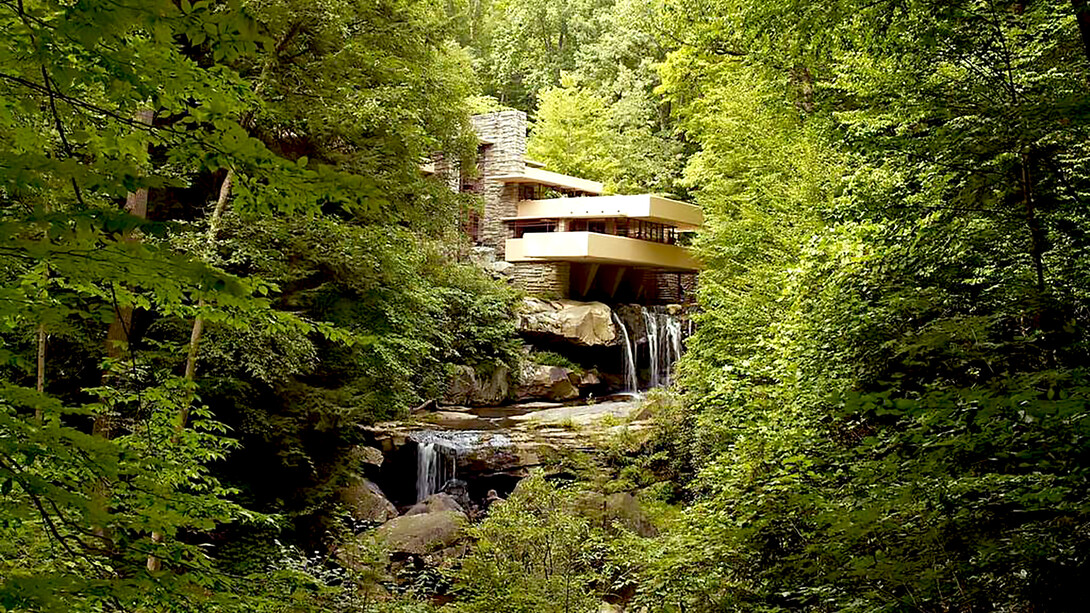
As we become increasingly urbanized, spending nearly 90% of our lives indoors, the divide between human beings and the natural world grows more pronounced. Yet, neuroscience tells us that our brains are still wired for nature. This is the premise behind biophilic design — a design philosophy that seeks to reconnect people with the natural environment through architecture. Far more than a passing aesthetic trend, biophilic design draws from evolutionary biology, cognitive science, and environmental psychology to create spaces that support mental, physical, and emotional health. It is one of the most potent tools in the emerging field of neuroarchitecture.
The science behind biophilia
The term "biophilia," meaning "love of life or living systems," was popularized by biologist Edward O. Wilson in the 1980s. He argued that humans have an innate tendency to seek connections with nature and other forms of life. From a neurological perspective, this connection has deep evolutionary roots. For millennia, our survival depended on natural landscapes that offered water, food, refuge, and safety. Our brains evolved to feel calmer in environments where such cues were present.
Modern neuroscience has validated Wilson's theory. Studies show that exposure to nature reduces activity in the amygdala (the brain's fear center), lowers cortisol levels, decreases blood pressure, and boosts mood-enhancing neurotransmitters like serotonin. Functional MRI scans reveal that even looking at images of nature can activate the brain's default mode network, associated with introspection, creativity, and emotional regulation.
Core elements of biophilic design
Biophilic design translates this biological need into tangible spatial strategies. These can be grouped into three primary categories:
Direct experience of nature: this includes elements like natural light, fresh air, plants, water features, and views of greenery. Windows with landscape vistas or indoor gardens fall into this category.
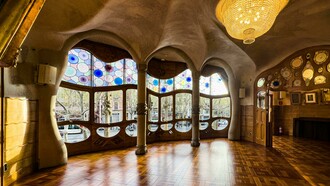
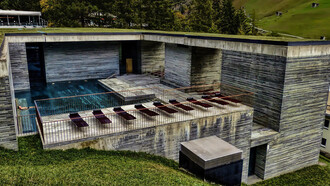
Indirect experience of nature: this involves representations of nature, such as natural materials (wood, stone), organic shapes, colors, patterns, and even artwork depicting natural scenes.
Space and place conditions: these are spatial qualities that mimic nature’s complexity and variability, such as refuge (cozy nooks), prospect (open views), and transitions (such as meandering paths or changing light conditions).
Each of these categories engages different sensory pathways and emotional responses, creating a holistic experience that nurtures the brain and body. Importantly, biophilic design is not limited to grand gestures. Even small, thoughtful touches—like a desk plant, a nature-inspired color palette, or a window with morning light—can yield measurable benefits for mental clarity and emotional well-being.
Biophilic design in practice
Biophilic principles are now being applied in diverse architectural typologies, from residential to commercial and institutional spaces.
In workplaces, companies like Amazon and Google incorporate indoor trees, green walls, and daylight-optimized layouts to enhance productivity and reduce stress.
In healthcare environments, hospitals are integrating garden courtyards, water features, and nature-themed interiors to accelerate patient recovery and reduce the need for pain medication.
In schools, biophilic classrooms improve focus and academic performance by creating a calm, engaging environment.
Urban design is also adapting, with cities introducing green roofs, pocket parks, and nature corridors to combat the psychological toll of dense urban living.
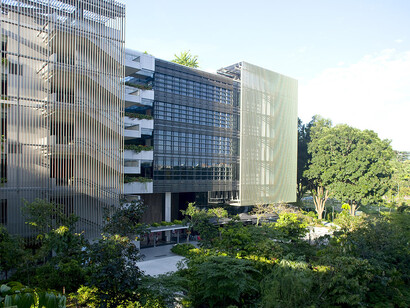
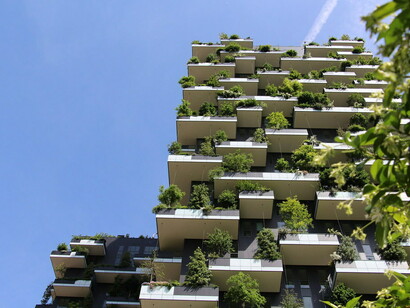
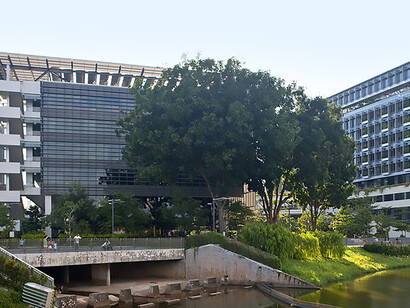
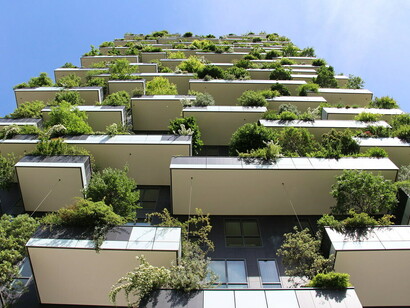
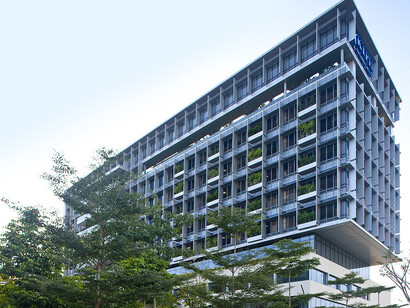
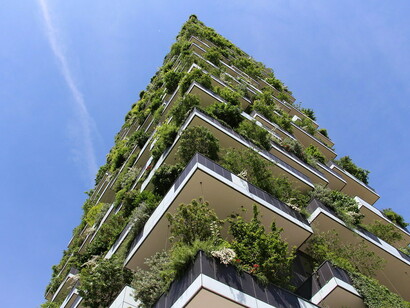
Case studies such as Singapore’s Khoo Teck Puat Hospital or Milan’s Bosco Verticale residential towers demonstrate how ambitious integration of biophilic strategies can redefine entire typologies.
Cognitive and emotional benefits
Biophilic design impacts the brain in powerful ways:
Improved attention and memory: natural elements help replenish cognitive resources depleted by overstimulation in built environments.
Stress reduction: nature has a calming effect on the nervous system, helping to restore physiological balance.
Enhanced creativity and learning: exposure to nature can increase divergent thinking and problem-solving skills.
Mood and emotional stability: natural environments activate brain areas linked to pleasure and emotional processing.
These effects are particularly beneficial in environments that traditionally generate stress: offices, hospitals, schools, and transit hubs.
The future of neuro-biophilic architecture
The growing interest in neuroarchitecture has led to a deeper appreciation for biophilic design not just as a stylistic preference, but as a neurological necessity. As tools like eye tracking, EEG, and VR simulations become more integrated into the design process, architects can evaluate real-time brain responses to different design variables. This scientific rigor ensures that biophilic strategies are not anecdotal but evidence-based.
Moreover, the climate crisis and public health challenges of the 21st century demand resilient, health-promoting environments. Biophilic design, with its low-energy, human-centered ethos, offers a sustainable path forward. In the years to come, public awareness and demand for healthier spaces may push biophilic design beyond niche projects and into everyday architecture—from affordable housing to public transit stations—making nature-infused living the new norm.
Conclusion
Biophilic design is more than an architectural trend; it is a return to our neurological roots. In an age dominated by artificial environments and digital distractions, it reminds us that the brain thrives in settings that echo the complexity, beauty, and rhythm of nature. As neuroarchitecture continues to evolve, biophilic design stands as one of its most promising and accessible tools—not just to enhance aesthetics, but to heal, inspire, and reconnect us with the essence of being human.