English
 Español
 Français
 Deutsch
 Italiano
 Português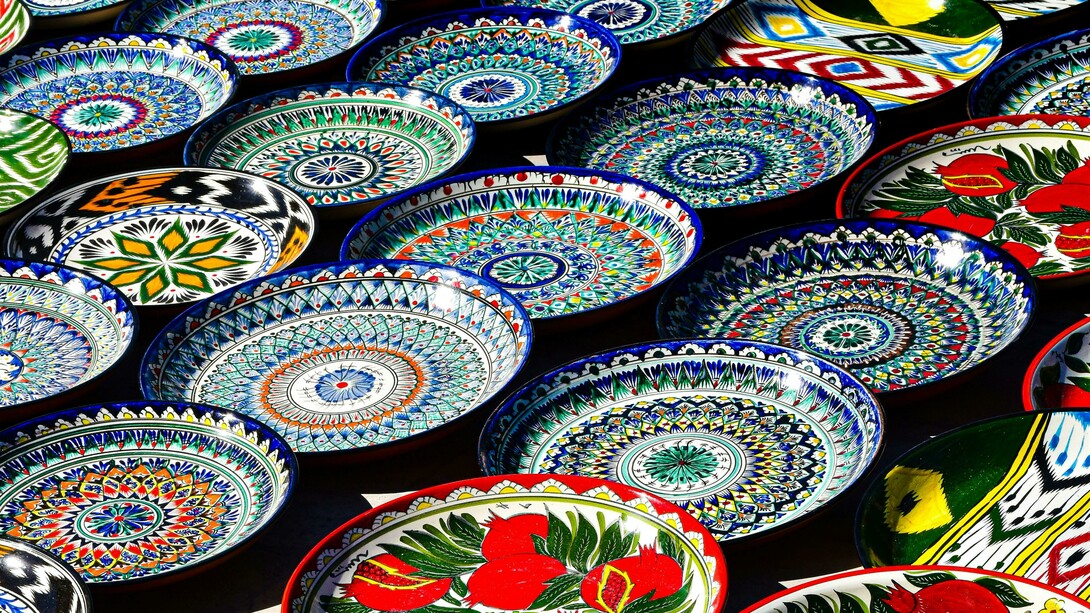
Uzbekistan is often known for its blue domes, ancient cities, and warm hospitality, but beyond that, the country also holds a centuries-old artistic soul that lives through its handicrafts. Much like its cuisine, Uzbek craftsmanship reflects history, identity, and tradition passed down through generations. Every handmade object, whether a silk carpet, a painted ceramic bowl, or an embroidered robe, tells a story about the people, their beliefs, and the land that shaped them. Uzbek handicrafts are not just souvenirs; they are living pieces of art that carry the essence of a nation.
Uzbekistan’s location on the ancient Silk Road played a defining role in the evolution of its craftsmanship. For centuries, caravans carrying silk, spices, and metals passed through Samarkand, Bukhara, Khiva, and Kokand, bringing artisans, merchants, and new techniques from across Asia and Europe. This exchange of ideas and materials led to the creation of art forms that blended Persian, Arab, Indian, Chinese, and Turkic influences into a uniquely Uzbek identity. Even today, walking through the old bazaars of Samarkand or Bukhara feels like stepping into an open-air museum where the Silk Road’s artistic spirit is still alive.
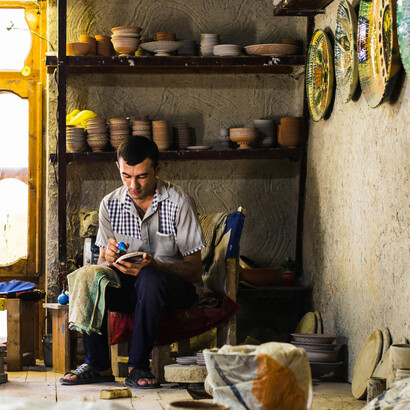
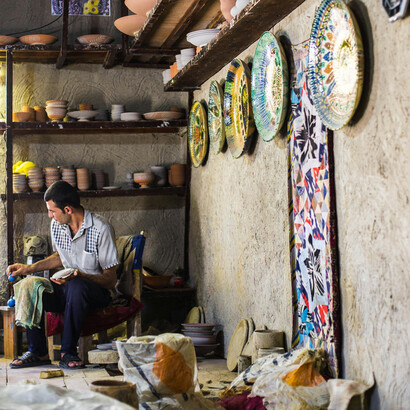
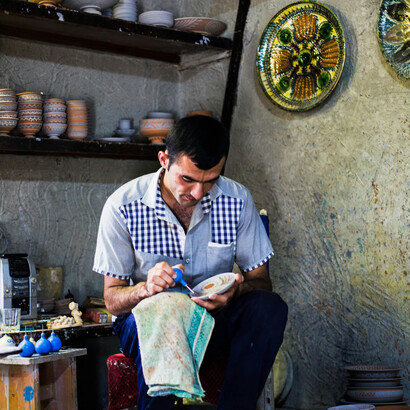
One of the most iconic forms of Uzbek art is ceramics, especially from the city of Rishtan in the Fergana Valley. Rishtan pottery is instantly recognizable by its deep blue and turquoise glazes, known as “ishkor.” These ceramics are made from local red clay, which artisans say gives the pottery its warmth and character. Each piece, whether a plate, bowl, or teapot, is carefully hand-painted with floral, geometric, and symbolic patterns. Many designs have meanings rooted in ancient beliefs: the pomegranate symbolizes abundance, the almond shape represents protection, and the swirling vines mirror the eternal cycle of life. Watching a Rishtan craftsman work is mesmerizing; from shaping the clay on a spinning wheel to glazing and firing it in traditional kilns, every step shows patience, precision, and passion.
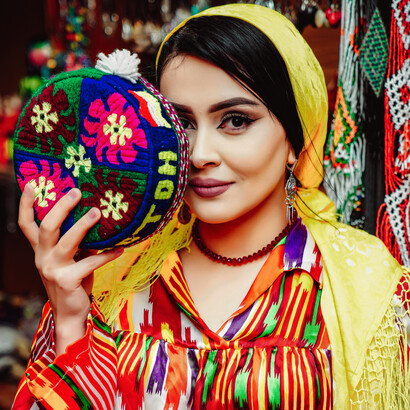
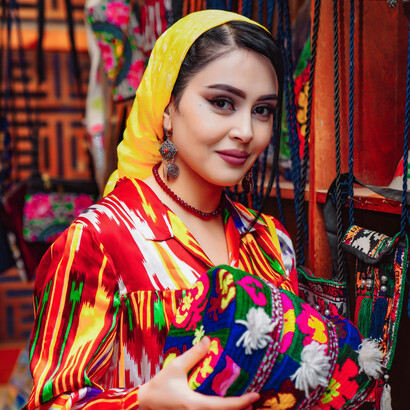
Another fascinating symbol of Uzbek craftsmanship is embroidery, known locally as suzani. The word “suzani” comes from the Persian word “suzan,” meaning “needle.” Traditionally, Uzbek women began sewing suzani as part of their dowry, spending months or even years creating these embroidered textiles before marriage. Each suzani is made from cotton or silk fabric and decorated with colorful thread in unique patterns, often featuring flowers, vines, suns, and moons. Suzani pieces are not only used as wall hangings or bedspreads but are also considered symbols of good fortune and protection. The artistry varies by region: Samarkand and Bukhara are known for their bright and bold floral designs, while Nurata’s suzanis often use darker tones and more geometric motifs. These handmade textiles continue to hold cultural and emotional value, serving as reminders of family, heritage, and love.
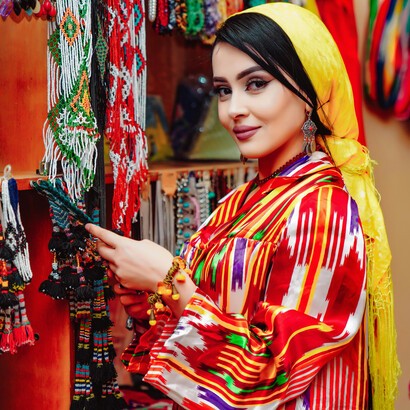
Silk weaving is another ancient craft that connects Uzbekistan directly to its Silk Road legacy. The city of Margilan, located in the Fergana Valley, is the country’s silk capital. Here, artisans produce the world-famous ikat fabrics, known in Uzbek as “atlas” or “adras.” What makes ikat special is its complex process; the threads are dyed before weaving, which gives the fabric its blurred, cloud-like patterns. Traditional ikat features bright colors like red, yellow, blue, and green, often symbolizing joy, prosperity, and nature. In the past, ikat robes were worn by rulers, scholars, and nobles; today, the fabric continues to inspire modern designers around the world. Visiting a silk factory in Margilan reveals the full journey, from boiling silkworm cocoons to spinning, dyeing, and weaving the threads. The rhythmic sound of wooden looms fills the air, reminding visitors that these traditions remain alive even today.
Moving westward to the desert cities, one encounters wood carving, a craft deeply rooted in Uzbek architecture. In Khiva, Bukhara, and Samarkand, the doors, columns, and ceilings of ancient madrasahs and mosques are covered with intricate wooden patterns. Artisans carve floral motifs, Quranic inscriptions, and geometric designs by hand, often without using any drawing beforehand, which is a skill that takes decades to master. The wood is usually walnut, elm, or juniper, chosen for its durability and beauty. Today, woodcarving workshops continue to produce doors, furniture, and souvenirs that combine old traditions with new designs.
Equally admired is metalwork, especially from Bukhara and Chust. In Bukhara, artisans are known for creating elegant jewelry, daggers, and teapots adorned with filigree and engraved patterns. The art of Chust knives deserves special mention; these knives are not only sharp and durable but also beautifully decorated with engraved handles made of horn or wood. Each knife carries the craftsman’s signature mark, ensuring authenticity and pride in the maker’s name.
Uzbek handicrafts also include carpet weaving, particularly in Khiva, Bukhara, and the Surkhandarya region. Each carpet tells a story through its colors and patterns. For instance, red for courage, blue for peace, and green for life. Handmade carpets are often woven by women using natural dyes and wool or silk threads. The designs can be geometric or floral, inspired by nature and legends. A single carpet can take months or even a year to complete, depending on its size and complexity.
Beyond individual art forms, what unites all Uzbek handicrafts is the philosophy behind them. These crafts are not just about making objects; they are about preserving identity and sharing beauty. In many villages, children still learn these skills from their parents and grandparents. Workshops and schools across Uzbekistan now teach young people traditional techniques while also encouraging innovation, ensuring that these crafts adapt to the modern world without losing their essence.
Handicrafts also play a growing role in tourism. Visitors to Uzbekistan often find themselves drawn to local bazaars like Chorsu in Tashkent, Siyob in Samarkand, or Toki Zargaron in Bukhara, where artisans sell their handmade works. Shopping in these markets is not just a transaction but a cultural exchange. You can talk to the craftspeople, learn about their process, and even watch them work. Many travelers say that bringing home a handmade ceramic bowl or embroidered suzani feels more meaningful than buying a typical souvenir—it’s like carrying a piece of centuries-old preserved artistic soul.
Overall, just like the cuisine of Uzbekistan, its handicrafts reflect a deep connection between people, history, and the land. Whether seen in a bustling bazaar or displayed in a museum abroad, they continue to tell the timeless story of a nation that creates with its heart and preserves with its hands.