English
 Español
 Français
 Deutsch
 Italiano
 Português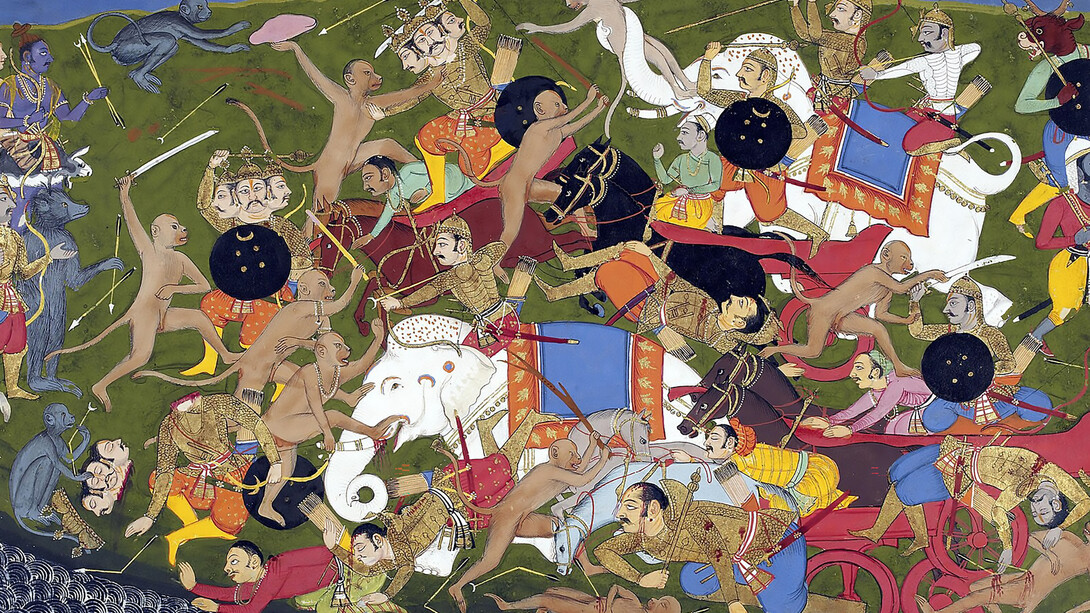
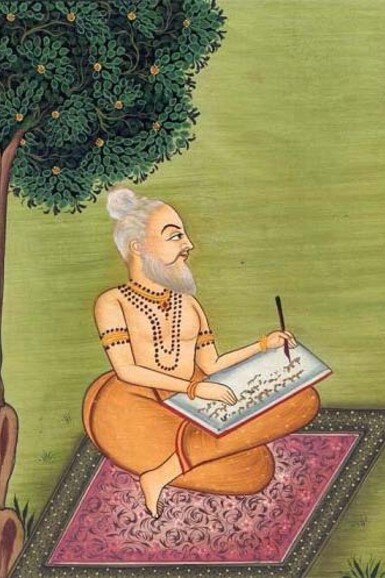
Valmiki Jayanti is a significant Indian festival1 dedicated to honoring the birth anniversary of Sage Valmiki, the revered author of the ancient Indian epic, the Ramayana. Observed with great devotion in particular by the Balmiki religious group, it commemorates the birth of the sage. Today, it is celebrated across India and by Hindu communities worldwide; this festival holds immense cultural, spiritual, and literary importance.
Who was Sage Valmiki?
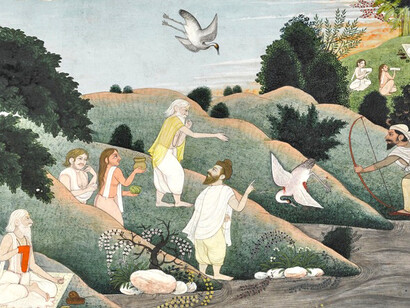
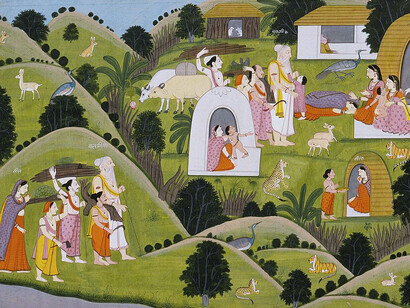
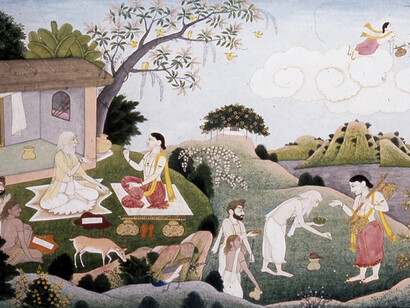
Sage Valmiki is hailed as the Adi Kavi, meaning the first poet, as he composed the Ramayana2, one of the two major Sanskrit epics of ancient Indian literature. The Ramayan is not just a story of Lord Rama’s life but a profound philosophical and moral guide that continues to inspire people around the world. Valmiki’s contribution extends beyond poetry—he symbolizes transformation, wisdom, and devotion.
When is Valmiki Jayanti celebrated?
There is no fixed date to celebrate the occasion. Instead, the date is calculated and it falls on different dates every year. Valmiki Jayanti typically falls on the full moon day (Poornima) of the Hindu month of Ashwin, which usually corresponds to September or October in the Gregorian calendar.
The exact date varies each year based on the lunar calendar. This day is marked with religious rituals, reading sessions of the Ramayana, and paying homage to the sage.
Significance of Valmiki Jayanti
Spiritual importance: Sage Valmiki is revered as a symbol of redemption. Legend has it that he was a highway robber before attaining enlightenment and becoming a great sage who composed the Ramayana. His life story teaches the values of repentance, righteousness, and devotion.
Literary contribution: The Ramayana stands not only as a literary masterpiece but also as a cultural and moral compass across many regions in India and Southeast Asia. Valmiki Jayanti encourages people to revisit this epic to imbibe its teachings.
Cultural celebrations: across India, especially in northern and central regions, devotees participate in processions, community prayers, and spiritual discourses. Temples dedicated to Sage Valmiki organize special events, and schools often host recitations and dramas based on episodes from the Ramayana.
How Valmiki Jayanti is celebrated?
Reading the Ramayana: devotees engage in a focused reading or listening to the Ramayana, reflecting on its values.
Charity and community service: many followers observe the day by offering food, clothing, or aid to the underprivileged, inspired by Valmiki’s message of compassion.
Temple visits: attending prayers and rituals at Valmiki temples is a common practice.
Spiritual discourses: religious leaders and scholars often conduct talks to explain the relevance of Valmiki’s teachings in modern life.
It is called by another name – Pragat Diwas
Valmiki Jayanti is also known as Pragat Diwas (or Pargat Diwas), which literally means "day of manifestation" or "birth day." The term "Pragat" (or "Pargat") in Sanskrit and Hindi translates to "manifested," "revealed," or "appeared," and "Diwas" means "day."
Valmiki Jayanti is sometimes referred to as Valmiki Maharaj Jayanti or simply Valmiki Jayanthi in southern parts of India. In some regions, it is also called Mahakavi Valmiki Jayanti, emphasizing his status as the “great poet.” The use of “Maharaj” is an honorific signaling respect and reverence, as Valmiki is considered not only a sage but also a spiritual guide and teacher.
The variations in the festival’s name primarily reflect regional linguistic preferences and cultural nuances. For example:
Valmiki Maharaj Jayanti highlights the reverence for Valmiki as a spiritual leader (“Maharaj” means “Great King” or “Respected Elder”), stressing his elevated status beyond just a poet.
Mahakavi Valmiki Jayanti underlines his pioneering role as the “Adi Kavi” or first poet of Sanskrit literature.
These alternate names also emphasize different aspects of his identity — spiritual authority, literary genius, and moral exemplarity — all of which contribute to why this occasion is celebrated with such respect.
Is Valmiki Jayanti a government holiday?
Valmiki Jayanti is not a nationwide public or government holiday in India. However, several states, especially those with large Hindu populations or where Valmiki followers are prominent, declare it a public or regional holiday.
States like Punjab, Haryana, Uttar Pradesh, and some others often observe Valmiki Jayanti either as a public holiday or a restricted holiday in government offices and educational institutions.
In some regions, government schools and colleges close to allow students and staff to participate in cultural and religious activities.
Organized events and official celebrations may be sponsored or supported by local governments to honor Sage Valmiki’s cultural contributions.
Despite not being a uniform government holiday across India, Valmiki Jayanti is deeply respected and widely recognized as an important cultural and religious festival.
Additional insights on Valmiki Jayanti
Global observance: devotees from across the world, especially in countries with significant Indian diaspora like Nepal, Mauritius, Fiji, and Trinidad, observe this day with similar reverence.
Community significance: for many marginalized communities, especially those who trace their heritage to Sage Valmiki, this day also marks pride in social identity and cultural history.
Educational impact: schools and cultural organizations use the occasion to educate younger generations about the values embedded in the Ramayana, including duty (dharma), honor, and compassion.
Conclusion
Today, Valmiki Jayanti is not just an occasion to commemorate a great poet and sage, but it is a day that inspires self-transformation, devotion, and adherence to dharma (righteousness). This festival reminds millions how the power of change, discipline, and creative expression can shape culture and spirituality profoundly.
Valmiki Jayanti, by any name, remains a powerful festival that celebrates transformation, wisdom, and the timeless literary brilliance of Sage Valmiki. Although it may not be a universal government holiday, its cultural and spiritual significance resonates deeply with millions, inspiring devotion, learning, and social harmony.
References
1 Indian Festivals in October 2025: Complete Guide to Diwali, Dussehra and More.
2 The Ramayana, also known as Valmiki Ramayana, as traditionally attributed to Valmiki.