English
 Español
 Français
 Deutsch
 Italiano
 Português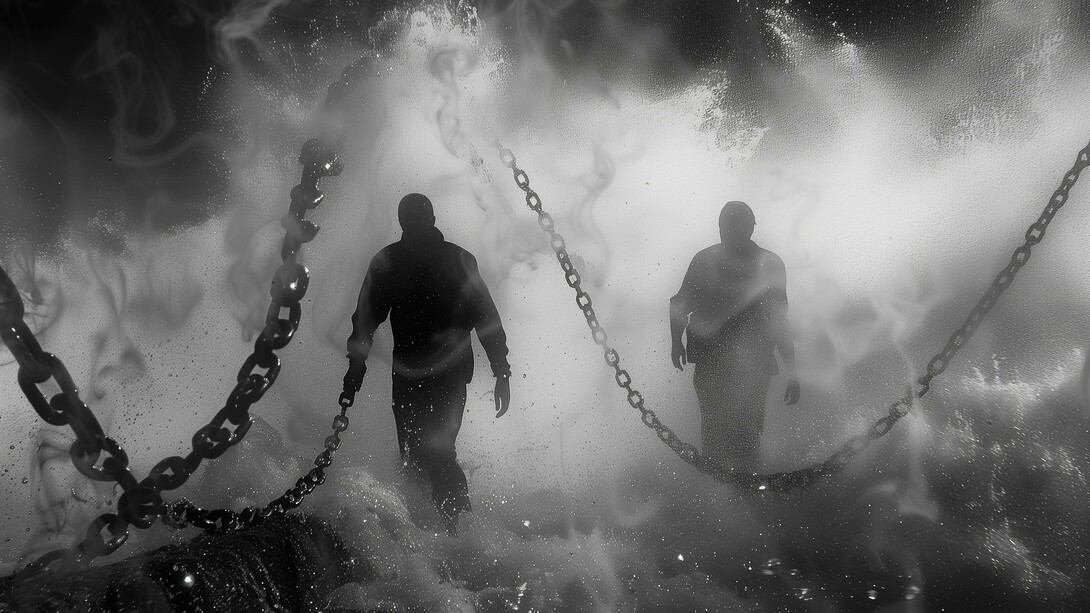
December 26, 2025
One of the largest slave revolutions in United States history took place on January 8, 1811, in Louisiana. As many as 500 rebels from plantations in the St. John the Baptist and St. Charles parishes had as their goal the conquering and establishment of an independent Black Republic in New Orleans. The rebels, both men and women, armed with only provisional weapons, marched toward New Orleans shouting, “ On to New Orleans” and “ Freedom or Death.” During the two-day march, the rebels burned five plantations, several sugar houses, and crop fields, killing only two white men. The revolt was put down, however, by January 11, when the leaders and participants were killed by both the militias of the slaveowners and United States federal troops.
The leader
Charles Deslonde, an overseer on the Deslonde plantation, was the organizer and leader of the revolt. He recruited enslaved and maroons from plantations along the way for the revolt. Deslonde was one of the first captured after the battle with militias and federal troops. He was not held for trial; rather, his body was first mutilated, then placed in a bundle of straw and roasted.
The inspiration
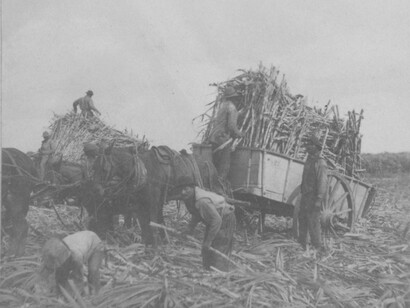
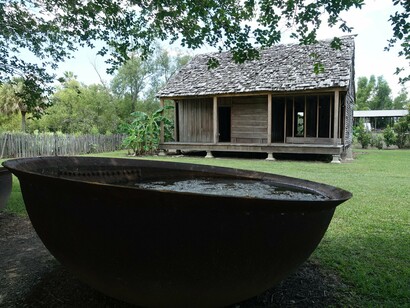
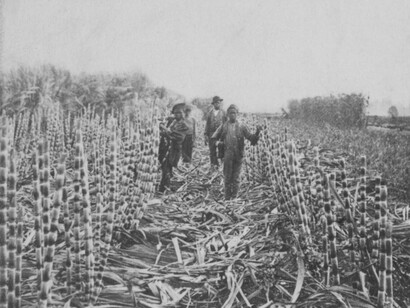
Reclaiming their humanity was the first inspiration for revolt. The harsh conditions of enslavement in Haiti were replicated on the sugar plantations in Louisiana. During the harvest season, enslaved people worked 16–18-hour days. Then they were exposed to the dangerous work in sugar mills and boiling houses, where they might be seriously injured or killed due to boiling hot kettles, open furnaces, and grinding rollers. According to Daniel Rasmussen, in his book, American Uprising: The Untold Story of America’s Largest Slave Revolt (2011): “ Nowhere in America was slavery as exploitive, or were profits as high, as in the cane fields of Louisiana. Slaves worked longer hours, faced more brutal punishments, and lived shorter lives than any other slave society in North America.”
The success of the Haitian Revolution was a prime inspiration and motivation for the 1811 Revolt. Following the Haitian Revolution, slaveholders sought refuge and lucrative sugarcane plantations in Louisiana. The enslaved forced to come with them had seen and felt the power of a revolt by the enslaved, which encouraged rebellion by the enslaved-on Louisiana plantations.
The aftermath
It is the savage reprisal for the enslaved attempting to reclaim their freedom and humanity that is the most horrendous aspect of this event. The slaveholders and federal officials would not recognize the legitimacy or truth of the revolt. Instead, they characterized the rebels as bandits and dangerous criminals who wanted to kill white people. The rebel slaves were captured, executed, and their severed heads mounted on spikes for 60 miles to intimidate other enslaved and to discourage them from embracing the ideology of the Haitian Revolution. These men and women should be acknowledged and celebrated as true freedom fighters. They demonstrated courage and determination against great odds. Most critically, they put the aspiration and welfare of the enslaved above their personal desires. Very possibly due to the savagery of the retaliation, there was a lack of coverage of the events, of which there is limited knowledge, and which are largely absent from history. Why is the history of this significant event “untold and untaught” history?
The Whitney Plantation
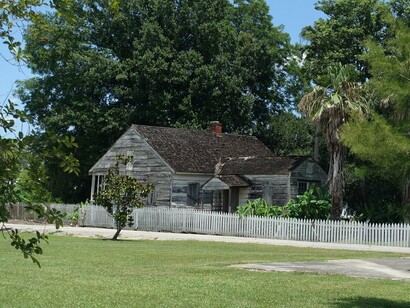
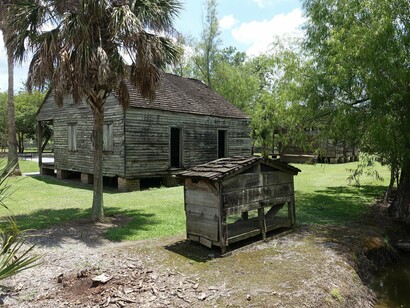
The Whitney Plantation, located in Wallace, Louisiana, was opened in 2014 for the purpose of telling the true story of the enslaved who were held there. The 1811 Slave Revolt Memorial at the Whitney displays 63 ceramic heads mounted on poles depicting the revolutionaries. The Whitney’s truth of the 1811 massacre of rebels and other enslaved people represents the sociopathic consciousness of the slaveholders and the federal officials as retaliation for the revolt. Unfortunately, the federal government has decided to cut off funding to the Whitney for a new exhibit on resistance to slavery. One must wonder what is so threatening regarding teaching the truth about slavery and the experiences of enslaved people?
Why must the true history of enslavement be told?
The narrative of the enslaved as an intellectual, cultural, and moral inferior still permeates the American consciousness today. The narrative has evolved over time, but has been conditioned in the culture. Until the three Rs of enslavement are revealed, recognized as legitimate, and taught in history classes, the immoral legacy of enslavement will remain unquestioned and unchallenged.
The three R’s: reality, resistance, and resilience
Reality: The reality of the lives of the enslaved must be revealed so that they are finally seen as human beings with human feelings. Empathy and compassion for those held in bondage who provided the foundation for the wealth of this nation must become part of the American consciousness.
Resistance: The myth of the happy and contented enslaved must be refuted. All human beings have the desire and the right to freedom and equality; the enslaved were no different. Their condition required their external being to be subservient, to suppress their feelings, but their humanity felt and expressed the human feelings of despair, pain, grief, anger, rage, and hatred just as any other human being.
Resilience: Despite the desire of the enslavers and their assistants to engage in cultural genocide, Africans, through storytelling, songs, and especially the connection to traditional spiritual beliefs and rituals, were able to remain strong, courageous, and resilient people despite the brutality of enslavement.
The true stories of the 1811 Revolt, the Stono Rebellion, as well as those of Nat Turner, Gabriel, and Denmark Vesey must be told. America can never move forward as a nation until it accepts and comes to terms with its history of enslavement. Addressing historical wounds is the only way to heal them; hiding or pretending that they do not exist will not lead to the healing the nation so desperately needs, especially in this current moment. True American patriots will demand the revelation of the “untold and untaught” history of this nation.