English
 Español
 Français
 Deutsch
 Italiano
 Português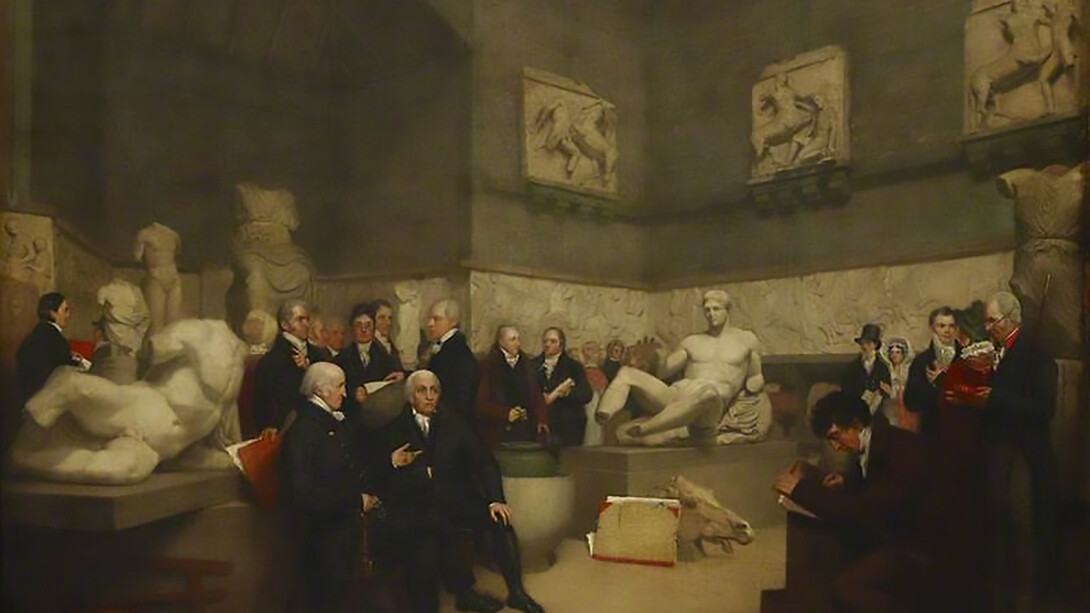
In recent years, a growing number of institutions in the Western world have engaged in the repatriation of ancient artefacts and human remains. Repatriation refers to the return of cultural property—often acquired through looting or other unethical collecting practices during periods of war, colonial rule, or foreign occupation—to the communities or nations of origin.
These artefacts and remains were frequently sold through dealers into private collections or museums around the world, where they were often treated as historical curiosities, stripped of their original context and meaning. Many changed hands multiple times without clear provenance records or legal documentation, making their origins difficult to trace.
Others were acquired in ways considered legal by the standards of the time—through purchase, trade, or diplomatic exchange—but are now widely recognised as ethically problematic. In many cases, the transactions involved unequal power dynamics or coercion or occurred during times of conflict and exploitation.
Over the centuries, these long-standing collecting practices led to the accumulation of vast collections of cultural property. This process helped give rise to the model of the “universal” museum, an idea first developed during the European Enlightenment.
Guided by Enlightenment ideals of reason, classification, and the universality of human knowledge, these institutions aimed to present artefacts from around the world as part of a shared human story. Some of the most prominent examples include the British Museum in London, the Louvre in Paris, and the Metropolitan Museum of Art in New York.
The concept of the “universal”, or “encyclopaedic”, museum was reaffirmed in 2002 through the Declaration on the Importance and Value of Universal Museums, signed by the directors of several major museums in the Global North. This declaration defended the role of such institutions as custodians of world culture, asserting that keeping collections intact served a global public and fostered cross-cultural understanding.
Yet the ideal of universality has increasingly come under scrutiny. Many of the items held in these museums are sacred, symbolic, or central to the cultural identity, religious practice, or historical memory of the communities and nations from which they were taken.
While these objects may hold historical or scientific value for museums and researchers, for source communities they often represent a painful legacy of dispossession and cultural erasure. In this context, the “universal” museum is increasingly viewed not as a neutral custodian of world culture but as a continued embodiment of a colonial logic of ownership.
As institutions begin to confront these legacies, calls for repatriation have become increasingly urgent, raising not only ethical questions but also practical debates about accountability, ownership, and cultural authority.
Between 2017 and 2022, repatriation efforts gained remarkable momentum, driven by rising public awareness, political pressure, and a growing recognition of ethical responsibility. Since then, the pace has remained steady, supported by both government-level initiatives and independent action by museums and universities.
Some countries have taken the lead through formal state action. Nations such as Nigeria and Mexico, whose cultural objects were removed under colonial rule, and Greece, whose heritage was extracted during foreign occupation, have long demanded the return of significant artefacts. In response, several European governments have begun to legislate or enter into bilateral agreements to facilitate repatriation.
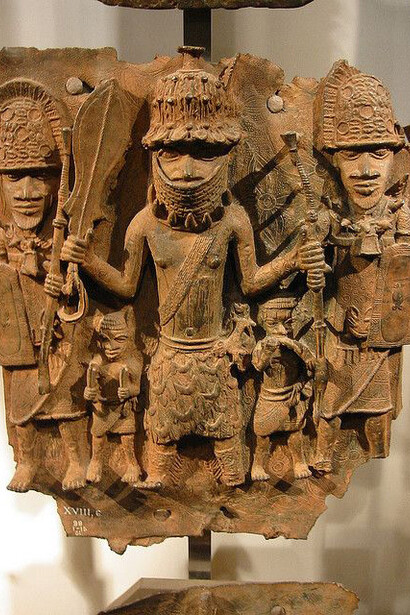
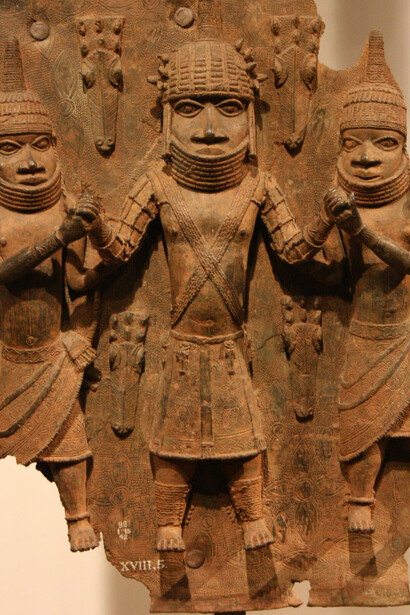
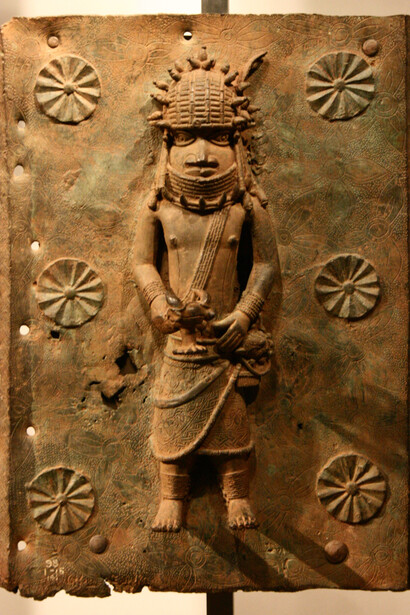
Germany, for example, signed a restitution agreement with Nigeria in 2022 for the return of more than 1,100 Benin Bronzes from major state museums. Similarly, the Netherlands concluded a formal transfer agreement in 2025 for the return of 119 Benin Bronzes. In both cases, the governments explicitly acknowledged that these items had been looted during the 1897 British raid on Benin City and affirmed that they should never have left Nigerian custody in the first place.
The United States presents a more complex picture. On the one hand, it set a milestone in the repatriation of Indigenous heritage with the enactment of the Native American Graves Protection and Repatriation Act (NAGPRA) in 1990. This federal law requires all federally funded institutions to return Indigenous human remains, sacred items, funerary objects, and objects of cultural patrimony to federally recognised Native American tribes, Alaska Native villages, and Native Hawaiian organisations.
Despite its groundbreaking nature, however, NAGPRA has faced substantial criticism. Its implementation has been slow, its enforcement mechanisms limited, and it places a heavy burden of proof on Native communities, many of which lack the financial and institutional resources needed to navigate the complex claims process.
On the other hand, when it comes to international cultural property, the United States has taken a far less structured approach. Repatriation in these cases has largely depended on the voluntary actions of individual institutions rather than being guided by a consistent national policy.
High-profile returns, such as the restitution of looted antiquities to Egypt, Italy, and Cambodia from the Metropolitan Museum of Art, New York, have typically occurred following criminal investigations or media pressure, rather than through government-led initiatives. This reflects the United States’ reactive, rather than systematic, approach to international repatriation.
Independent initiatives by museums and universities have become an increasingly important driver of restitution globally. Institutions such as the Smithsonian Institution, the Museum of Fine Arts in Boston, the National Museum of Ireland, the Royal Ontario Museum, and the University of Aberdeen have returned high-profile objects, often as the result of provenance research and internal ethical reviews.
Crucially, these institutional efforts are frequently influenced by sustained community pressure. Indigenous nations, advocacy groups, and descendant communities have played a central role in challenging institutions to confront their histories and return cultural heritage.
One prominent example is the Haida Nation of British Columbia, Canada, which successfully campaigned for the return of ancestral remains and burial objects from major museums in Canada and the United States, including the Canadian Museum of Civilisation and the Field Museum in Chicago. Their activism underscores how cultural and spiritual motivations, not just legal claims, shape the momentum for repatriation.
Although these institutional and community-led efforts have gained traction, not all nations have responded with the same level of engagement. Some countries continue to resist broader restitution initiatives or delay policy reforms. The United Kingdom and France, in particular, have been notably slower to implement meaningful national policies and legal reforms.
In the U.K., government policy has largely remained unchanged. There have been no formal acknowledgements of colonial-era wrongdoing, nor has a national framework for restitution been developed. While some institutions, such as the Horniman Museum, have proceeded with independent returns, others have refused. The British Museum, for example, has declined to repatriate the Parthenon Marbles and the Benin Bronzes, citing legal constraints under the British Museum Act of 1963, despite growing diplomatic and public pressure.
France has adopted a similarly cautious stance. In a landmark 2017 speech at the University of Ouagadougou in Burkina Faso, West Africa, President Emmanuel Macron declared:
“I cannot accept that a large part of the cultural heritage of several African countries is in France.… African heritage cannot solely exist in European private collections and museums.… African heritage must be showcased in Paris but also in Dakar, in Lagos and in Cotonou.” He went on to say he expected "the conditions to come together within five years… for the temporary or definitive restitution of African cultural heritage to Africa".
Macron’s remarks led to the commissioning of the Sarr-Savoy report, which recommended the full restitution of looted artefacts.
Nonetheless, despite the bold promise, only 27 objects have been returned to date—26 to Benin and one to Senegal. Without follow-through from Parliament or the Ministry of Culture, France’s legal framework remains largely unchanged. National legislation continues to classify public collections as inalienable, meaning each return must be approved by special parliamentary action. This remains a significant barrier to large-scale restitution.
While legal frameworks and institutional decisions have shaped much of the repatriation landscape, returning an object is rarely the end of the story. In many cases, it marks the beginning of a broader and more complex negotiation.
At its core, repatriation is driven by ethical responsibility and a growing international awareness of the need to address the legacies of colonialism and dispossession. It signals a shift toward restoring agency, recognising sovereignty, and rebuilding relationships between museums and source communities—as well as between former colonial powers and post-colonial nations.
Yet even after objects are returned, difficult questions often persist: Who should care for them? Should they be displayed, and if so, under what terms? These debates reveal that repatriation is not only about correcting historical injustice but also about redefining how cultural heritage is valued, interpreted, and shared in today’s global landscape.
While many institutions present repatriation as a gesture of ethical responsibility rather than an admission of guilt, the act itself remains politically and socially charged. It reflects shifting power dynamics and ongoing negotiations over history, identity, and ownership.
As these conversations evolve, repatriation will remain a defining issue in how we understand cultural stewardship, collective memory, and accountability in the 21st century.