English
 Español
 Français
 Deutsch
 Italiano
 Português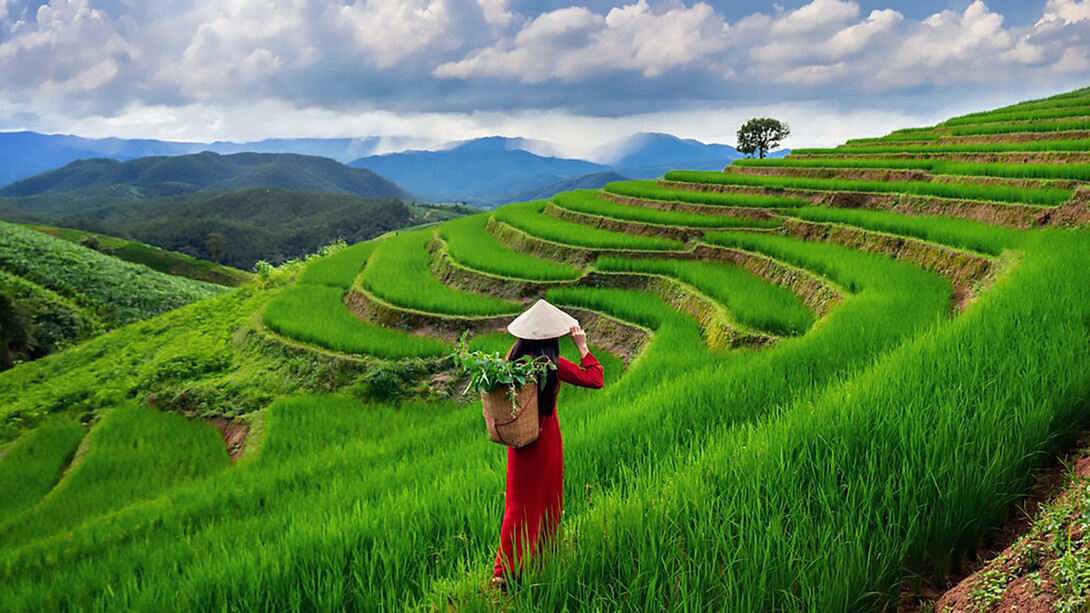
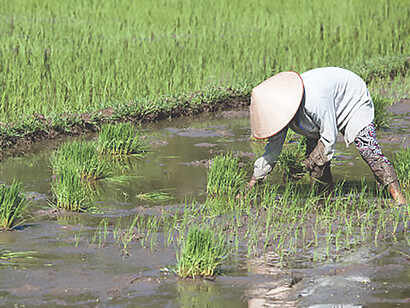
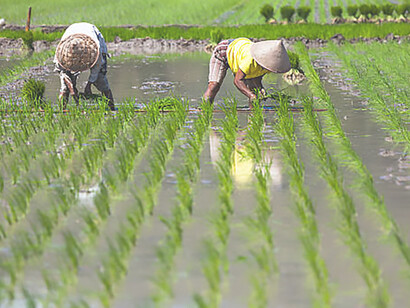
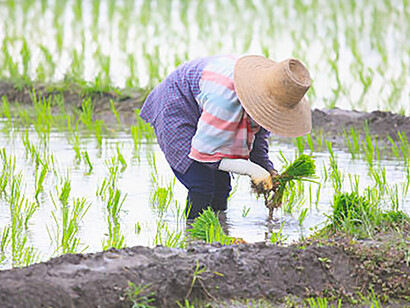
Smallholder farmers in places like southeast Asia are some of the world’s most deprived communities. They work hard day and night, often in very taxing conditions, to put food on the table and feed their families. Their plight goes largely ignored in the West. In fact, sometimes we in Europe are guilty of making their economic situation even worse by failing to understand the consequences of our actions.
That is exactly what the European Union is in danger of doing with a new policy called the Due Diligence Proposal. The idea behind this policy is to make supply chains for goods sold in Europe more environmentally sustainable. However, what it sounds like in theory is very different from what it does in practice. Instead of asking multi-billion-dollar trans-national corporations to take on the cost of their new checks, who can shoulder the burden, the EU instead looks set to implement the new rules in such a way that the smallholder farmers at the very beginning of the supply chains end up responsible.
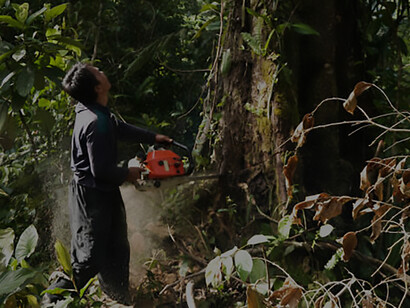
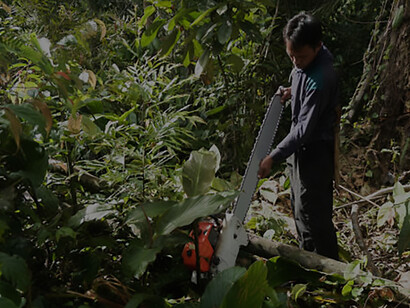
As if it were not bad enough to lump farmers with immense new costs and responsibilities because of European politics, it looks likely that the law will not even succeed in achieving what European politicians say they want to achieve. The way the due diligence proposal is written out does not make sense. That’s because addressing a complex environmental issue like deforestation is not as simple as merely drowning products you don’t like in red tape.
The EU champions this law as a means to curb deforestation, but scant information is available about the specifics of how they see these verification checks working, their associated costs, and the hurdles they pose for legitimate businesses operating in Europe. Upon closer examination, numerous glaring flaws in the legislation emerge, such as the fact that it might end up exacerbating deforestation rather than mitigating it.
A key target for the EU’s stringent new verification process is palm oil, which stands as the most efficient option for vegetable oil mass production. Even environmental organisations like the WWF caution against vilifying palm oil due to its efficiency and affordability,1 especially amid soaring food prices and economic crisis around the world.2 The EU’s focus on palm oil could drive businesses towards less efficient alternative oils, ultimately harming both the environment and consumers’ wallets.
Beyond these implications, the EU’s policy decisions reverberate globally, particularly in decentralised industries like food production. The Due Diligence Proposal threatens the livelihoods of countless smallholder farmers worldwide who rely on exporting products like palm oil. Meeting the EU’s strict requirements necessitates extensive outreach, training, and compliance efforts in remote regions, imposing significant burdens on already financially vulnerable communities.
Brussels’ bureaucratic zeal seems oblivious to the adverse impacts of its policies on those who can least afford it, in this case marginalized farmers. While large corporations are able to navigate regulatory complexities with dedicated compliance departments, smallholder farmers lack such resources. As a consequence, these farmers face daunting challenges in complying with these new EU regulations, potentially jeopardizing their ability to participate in European markets at all and undermining their livelihoods.3
As the global economy continues to struggle under the immense weight of inflation and other economic challenges, including war and supply chain disruptions, coming down hard on some of the poorest farmers in the world so that middle-class shoppers and diners in Europe can feel a bit better about themselves and their consumption decisions seems particularly inappropriate. Those farmers should not be left out of the conversation.
The EU is pursuing this path despite warnings from affected nations like Malaysia4 and efforts by industry leaders to address environmental concerns in other ways which do not adversely affect smallholder farmers.5 It is hard to explain the EU’s determination to pursue this path despite these factors. It appears to be prioritising green optics over practicality. It risks exacerbating global inequalities and undermining the very communities it claims to protect in the process.
The EU would do well to remember its place in the world. It does not exist in a silo. It has a responsibility to consider the impacts its decisions have on the rest of the world, especially when poor communities are at stake. It is fair to say that this effect on smallholder farmers is a very high price to pay for an ecological law which looks set to fail. The EU is rushing to implement it without addressing its flaws. Both the environment and smallholder farmers look certain to lose out as a result.
Ultimately, meaningful environmental protection cannot be built on policies that shift responsibility downward and externalize costs onto the most vulnerable. If the EU genuinely seeks sustainable supply chains, it must engage farmers as partners, offer financial and technical support, and design laws grounded in social justice rather than symbolic regulation alone.
References
1 WWF: 8 things to know about palm oil.
2 Despite improved global market conditions, high food price inflation persists.
3 Malaysia says EU deforestation rule hurts its small farmers.
4 Malaysian Official Says EU Regulation ‘Discrimination’ Against Small Farmers.
5 92% are wrong about sustainable palm oil, are you?