English
 Español
 Français
 Deutsch
 Italiano
 Português
Public awareness of environmental issues continues to grow. Consumers are becoming increasingly conscious of the impact their purchases have on the planet. This heightened awareness of green issues presents an opportunity for positive change. However, some brands are more interested in masking their environmentally harmful practices than addressing them.
Investigations by advertising regulators have shed light on this issue. Tesco, for instance, a large international supermarket chain, faced scrutiny for its promotion of Plant Chef burgers and plant protein-based foods as environmentally superior to their meat-based counterparts. Tesco failed to offer sufficient evidence to back up these claims.1 Similarly, companies like Alpro and Oatly have been reprimanded for misleading advertising about the ecological benefits of the non-dairy milk products they sell.
These are the individual cases which happened to catch the attention of the regulators. Sadly, though, the problem does not stop there. There is a widespread epidemic of big brands like this, especially in the food industry, appearing willing to mislead consumers about the environmental credentials of their products, leading them to believe the items they are purchasing are more environmentally sustainable than they truly are.
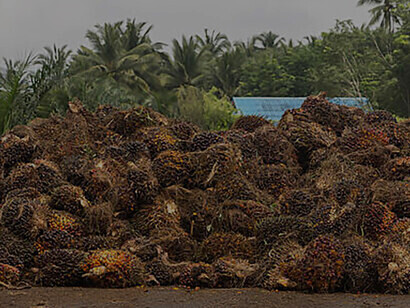
Many such instances slip under the radar. For example, the trend of labelling products as ‘palm oil free’ to appeal to environmentally conscious shoppers can be deceptive.3 This marketing aims to associate palm oil production with deforestation. But the reality is rather different. By avoiding palm oil, as these ads claim, manufacturers must switch to a different oil.
Those oil alternatives might include rapeseed, coconut, or soybean. But those oils are generally much less land-efficient than palm oil.4 That means going for a ‘palm oil-free’ product often translates into even more deforestation occurring, not less, which is a disaster for the planet.5 But some brands seem happy to let consumers remain oblivious.
Consumers can be easily misled by such tactics because the average grocery shopper is not aware of the complex realities behind these claims. Brands often prioritise short-term gains by capitalising on growing environmental awareness to get their products flying off shop shelves. If they were true to their word and they really did want to do their part for the planet, they ought to invest in genuinely sustainable production practices instead.
Plenty of research draws attention to the scale of the problem. For example, a group called the For Free Choice Institute has lifted the curtain on the deceptive nature of many ‘palm oil free’ products, which often fall short in sustainability and nutritional value compared to their counterparts.6 It is alarming to think so many companies feel comfortable so blatantly misleading their customers on such an important issue.
While it is encouraging to see that there is increased awareness of environmental issues, especially among the younger generations, that alone is not enough to stop climate change or bring to a halt the various environmental problems currently taking place, such as deforestation. If consumers remain unaware of the ways in which these issues can be twisted to benefit someone else’s bottom line, we risk going backwards rather than making progress.
That’s because awareness alone is not enough to address humanity’s destructive impact on the planet. We need to see action too, especially from those food companies who have a massively disproportionate impact on the environment because of their supply chains. They must put a stop to their deceptive tactics, which risk misleading their customers, especially as they begin to face growing scrutiny on these issues.
Hopefully, the age of misleading environmental advertising is coming to an end as consumers become more discerning and regulatory bodies start to wise up, tightening their oversight of these kinds of corporate tricks. Ultimately, it is vital that food brands prioritise transparency and genuine efforts towards sustainability. This is essential if they are to earn and retain the trust of their increasingly eco-conscious consumers. The future of responsible consumerism demands nothing less.
References
1 Britain's Tesco rapped by watchdog over plant-based products ads.
2 8 times brands fell foul of ASA for ‘greenwashing’.
3 Palm Oil Free List.
4 92% are wrong about sustainable palm oil, are you?
5 A World Without Palm Oil: Pros and Cons.
6 “The big ‘free-from’ deception”: Palm oil-free foods higher in saturates and less sustainable, finds study.