English
 Español
 Français
 Deutsch
 Italiano
 Português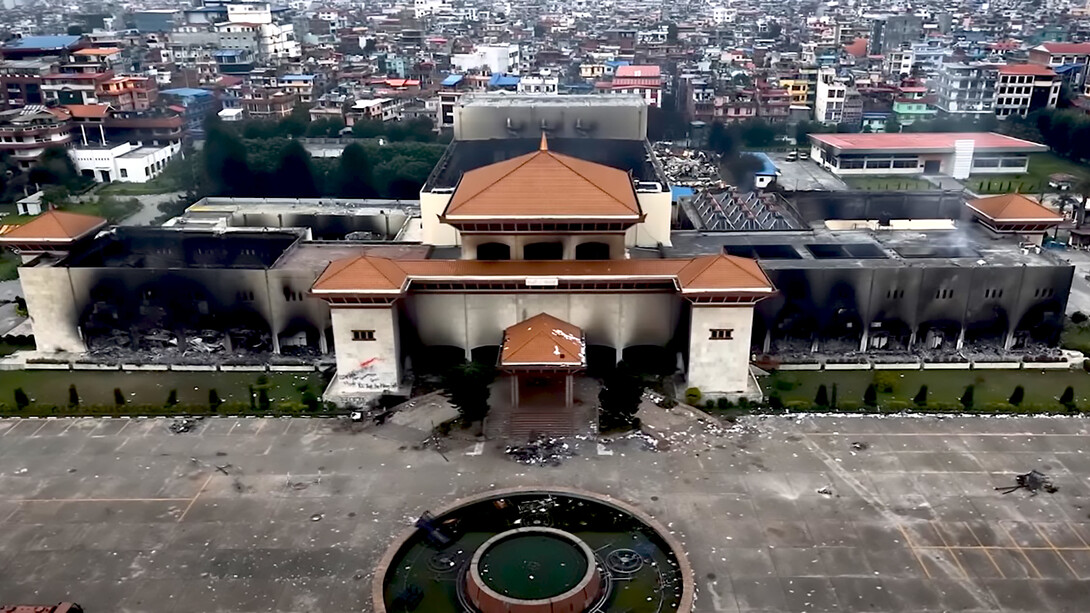
Across South Asia, a restless energy is building. A generation born into democracy but raised amid corruption, inequality, and censorship is demanding a future that feels real, not rhetorical. In city streets and online spaces, young people are turning frustration into movement, no longer content to be silent witnesses to broken promises. Theirs is a rebellion of keyboards and crowds, a new kind of politics shaped by disillusionment, connection, and courage.
This isn’t a rebellion in the traditional sense. There are no tanks, no formal leaders, and no manifestos, only a shared sense of exhaustion and defiance. From Kathmandu to Dhaka to Colombo, young people are finding one another through screens and hashtags, transcending borders that once divided them. They speak different languages, yet echo the same words: enough is enough.
Something new is stirring across South Asia. From the Himalayan foothills to the Bay of Bengal, a digitally fluent, politically aware generation is rising, one that is tired of being silenced. Their uprising is not fought with weapons, but with smartphones, memes, and viral chants. Their battlegrounds are not foreign borders, but the streets of Kathmandu, Dhaka, and Colombo, and perhaps soon, Islamabad.
For decades, South Asia’s political story has been written by dynasties, generals, and oligarchs. But today, that script is being challenged by the children of the internet age, a generation that grew up watching their leaders promise democracy and deliver dysfunction. They are the largest demographic in the region, yet the most disillusioned. Economic stagnation, corruption, censorship, and inequality have forged them into a common political force that transcends nationality.
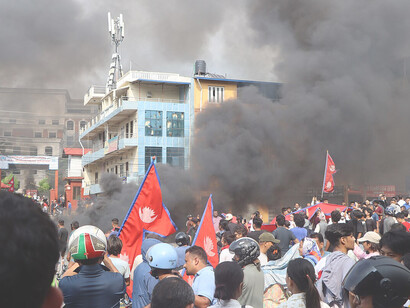
From the burnt façade of Nepal’s parliament to the student marches in Dhaka and the protest camps that filled Colombo’s seafront, a pattern has emerged between 2022 and 2025 that signals a regional awakening. What we are witnessing is not a series of isolated eruptions but the birth of a generational identity, a youthquake shaking the foundations of South Asian politics.
Regional unrest: a common thread
The immediate triggers differed, but the underlying causes are strikingly consistent across South Asia’s recent crises.
Nepal (2025): the #NepoKids revolution
Trigger: a government ban on major social media platforms in September 2025.
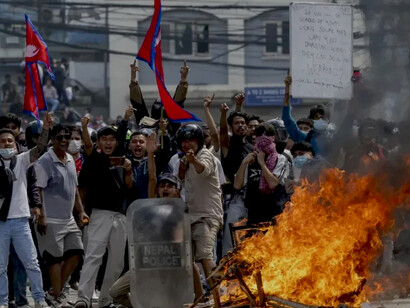
Underlying causes: Rampant corruption, nepotism, and growing youth unemployment — conditions that gave rise to the viral #NepoKids trend, exposing the lavish lifestyles of political elites’ children. Widespread protests led to violent clashes in Kathmandu and eventually to the resignation of Prime Minister Pushpa Kamal Dahal.
Bangladesh (2024): The Quota Revolt
Trigger: a court ruling reinstating a controversial quota system for government jobs.
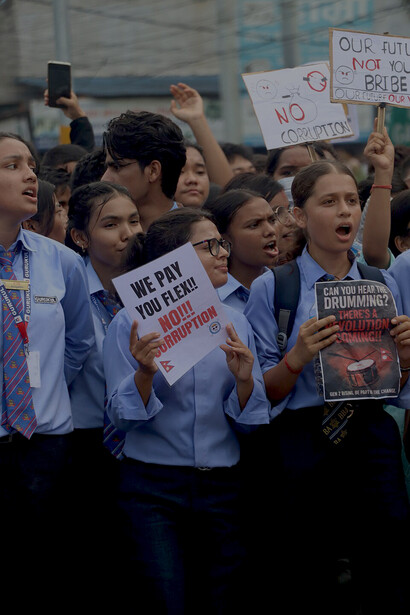
Underlying causes: deep anger over corruption, limited job opportunities, and frustration with the long-standing rule of Prime Minister Sheikh Hasina. Student-led demonstrations soon transformed into nationwide protests demanding political reform. The government faced severe backlash and eventually rescinded the quota policy following a violent crackdown.
Sri Lanka (2022): The Aragalaya Movement
Trigger: an unprecedented economic collapse that caused severe shortages of food, fuel, and medicine.
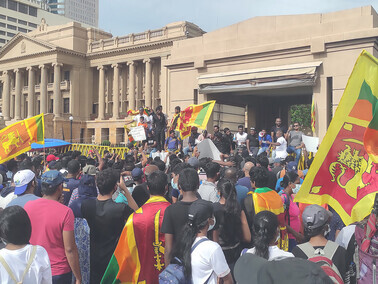
Underlying causes: mismanagement, corruption, and the concentration of power within the Rajapaksa family. The Aragalaya movement — peaceful and largely leaderless — culminated in the occupation of the presidential palace and the resignation of President Gotabaya Rajapaksa, marking a historic moment in Sri Lanka’s political history.
The common denominator
Across all three nations, the protests were largely leaderless, digitally organized, and driven by young people unwilling to tolerate the failures of entrenched political dynasties. Their central demands were the same: an end to corruption, economic justice, and true accountability.
What this reveals about South Asia
This wave of unrest exposes key truths about the modern South Asian state:
The failure of the post-transition order: in Nepal (post-monarchy), Bangladesh (post-military rule), and Sri Lanka (post-civil war), the systems that replaced old regimes have failed to deliver on their democratic promises.
The power of digital mobilization: social media has evolved from a discussion space into a powerful tool for organization and resistance — capable of outmaneuvering censorship and traditional hierarchies.
A generational rupture: South Asia’s massive youth population is politically aware, globally connected, and increasingly unwilling to tolerate corruption or inequality. Their patience has run out.
What it means for Pakistan: a stark mirror
For Pakistan, these movements reflect uncomfortable parallels:
Economic desperation: high inflation, debt, and joblessness weigh heavily on a youthful population seeking opportunity.
Deep-seated corruption: public trust in both political and military institutions remains low.
Restless youth: one of the world’s largest youth populations is digitally connected and acutely aware of regional change.
Political instability: persistent power struggles between elected governments, the military, and the judiciary mirror the dysfunction seen across the region.
Pakistan has already experienced glimpses of this energy — most notably in the rise of Imran Khan’s PTI, which successfully mobilized young voters. The state’s subsequent crackdown on digital spaces and political dissent mirrors the early warning signs seen in Dhaka and Kathmandu.
Conclusion: a regional inflection point
South Asia stands at a generational crossroads. The “rise” underway is not of nations, but of a generation within them — young, restless, and unafraid to challenge the old order.
For Pakistan’s establishment and political class, the message from Kathmandu, Dhaka, and Colombo is clear: the social contract has broken down. The youth are watching, learning, and organizing. Whether leaders will choose genuine reform or repression will determine whether Pakistan becomes the next chapter in South Asia’s story of transformative, generational change.
The tide of history — driven by millions of young South Asians — is turning, and no country in the region can afford to ignore it.