English
 Español
 Français
 Deutsch
 Italiano
 Português
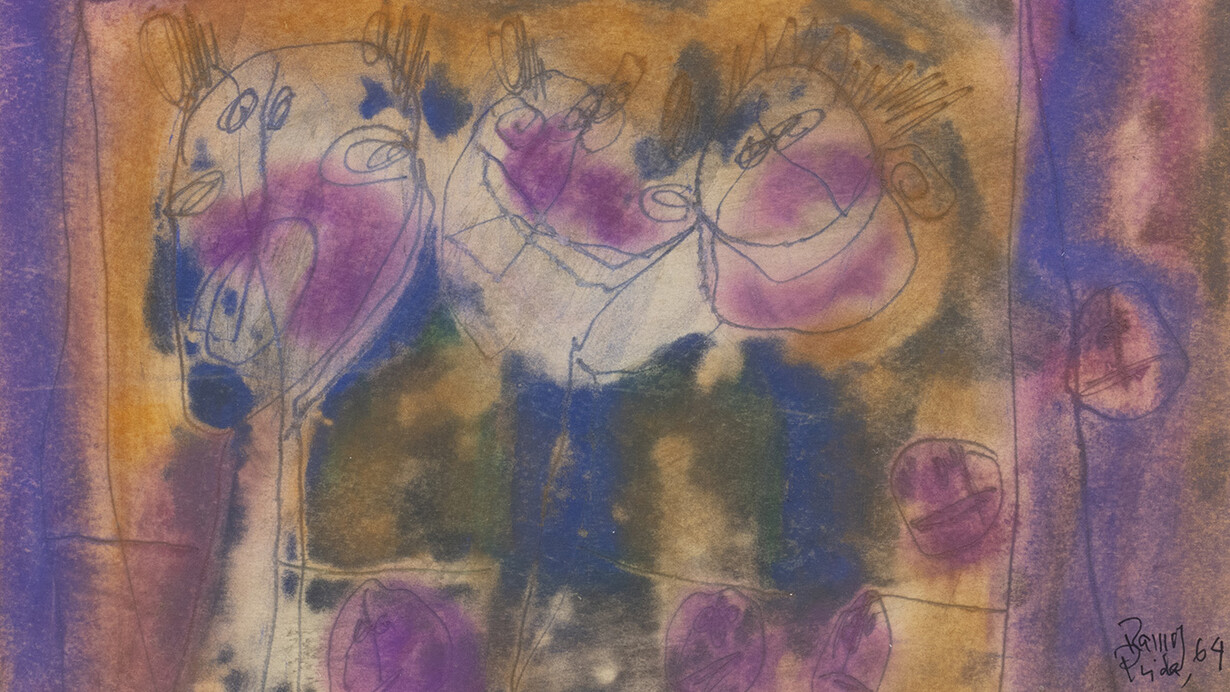
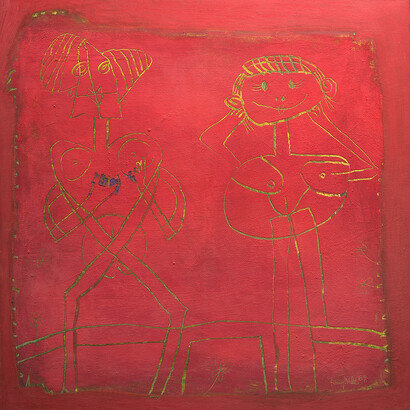
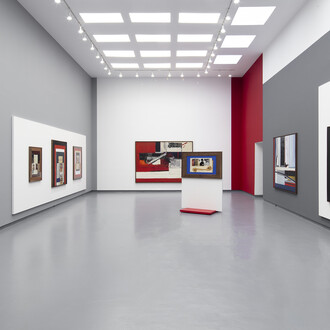
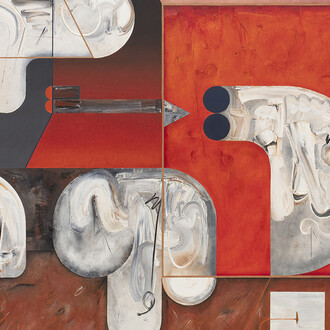
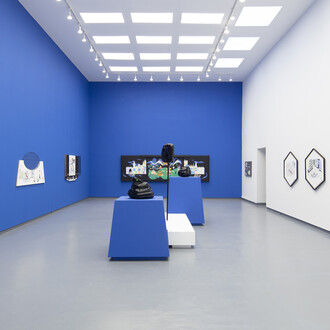
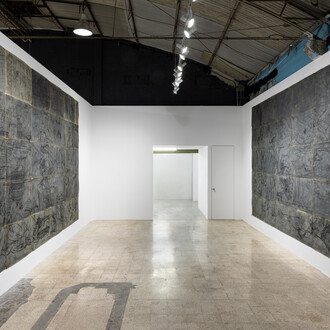
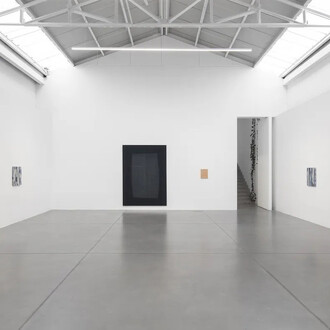
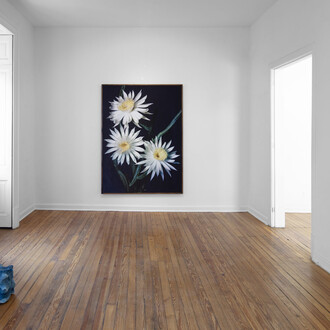
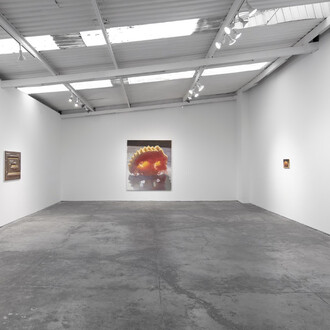
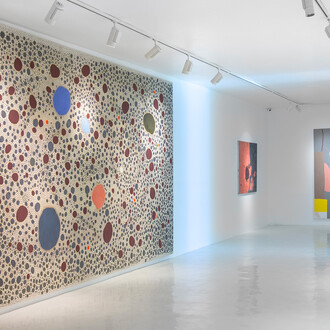
Proyectos Monclova Gallery presents In awe of life: Fernando Ramos Prida’s art, an exhibition that surveys different stages in the career of this Mexican artist, who was associated with the so-called Ruptura Generation. This group of artists transformed Mexico's artistic landscape during the second half of the 20th century by introducing languages associated with international currents of modern art and expanding the possibilities of artistic creation beyond the figurative and nationalist tradition of the Mexican School of Painting. Through a selection of large-scale paintings, watercolors, and wooden reliefs, the exhibition offers an overview of the richness and diversity of his artistic language.
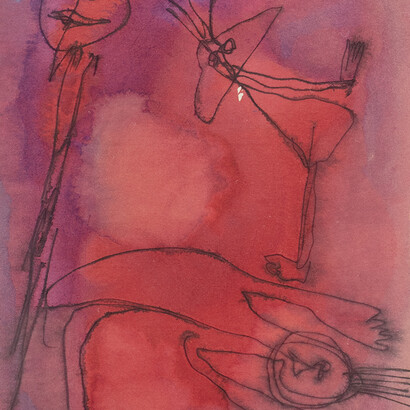
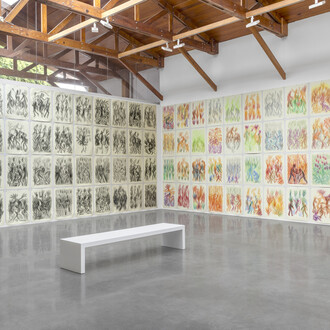
The exhibition features watercolors characterized by intense bursts of color. Vibrant pinks and purples, cobalt blue, and neon orange create chromatic atmospheres that envelop figures rendered with an almost childlike spontaneity and freshness. These works were originally presented in Ramos Prida's first solo exhibition, held in 1965 at Galería de Arte Mexicano, and were subsequently kept by the artist in his personal collection.
For Ramos Prida, painting was a way of remembering and recovering the intimacy of existence, grounded in a sense of belonging to a reality far greater than oneself. This sensibility also finds its counterpoint in an awareness of mortality, reflected in an anecdote from his final years: one cold, clear morning, seated at his worktable in the studio, the artist came face to face with death in one of its smallest manifestations.
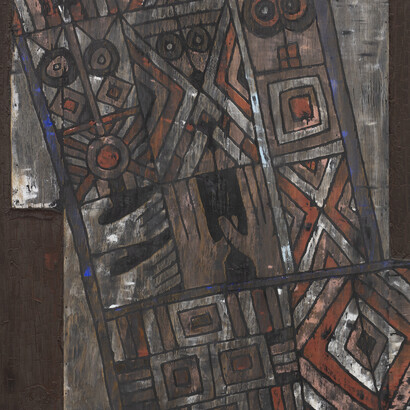
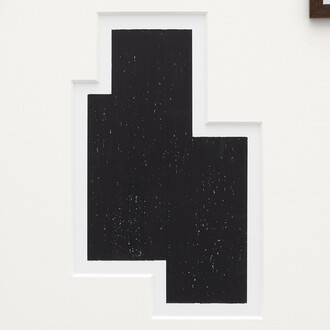
Another central section of the exhibition is devoted to his wooden reliefs, works that depart from the traditional conventions of bas-relief through the unconventional use of sculptural techniques. Ramos Prida subjected wood to a variety of treatments, ranging from carving with a V-shaped gouge to applying fire directly to the surface. At times, he used a blowtorch to burn the material; at others, he layered sheets of paper or employed wire brushes to create different textures. These processes, which required considerable physical effort, transformed the natural qualities of the wood, turning its surfaces into compositions of remarkable tactile and visual richness.
Many of these reliefs feature recognizable faces, defined through the depiction of eyes, teeth, and noses; some pieces also incorporate hands and other parts of the body. Their motifs and formal solutions have led to comparisons with pre-Columbian sculpture, particularly the reliefs and friezes found in the architecture of ancient Mesoamerican cultures. Through this exploration, Ramos Prida developed his own sculptural language, in which material experimentation and references to ancestral traditions converge in a distinctly personal approach.