English
 Español
 Français
 Deutsch
 Italiano
 Português
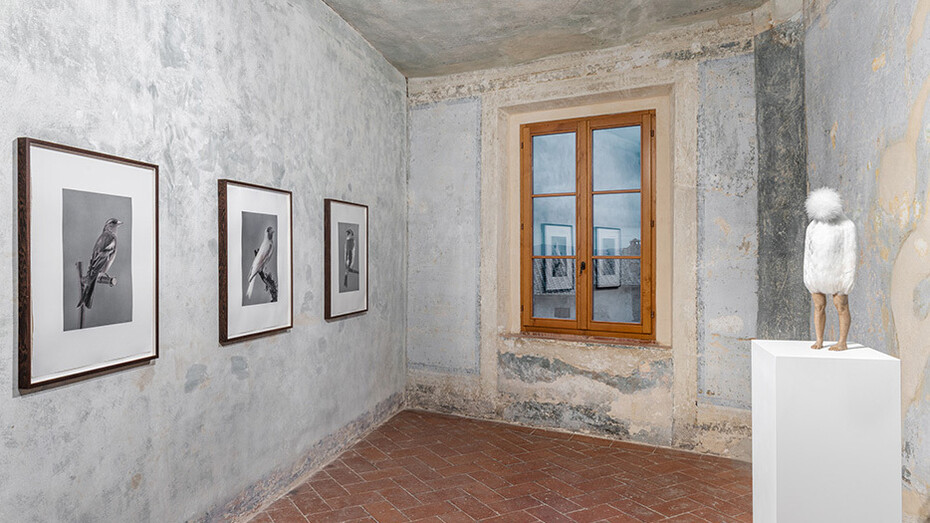
The tail is many things: a tool for communication and balance, something that can be shed in moments of danger, and something that even human beings possess for only three months while in the womb.
Do we miss it? Do we suffer from phantom limb syndrome? Do we long for yet another lost part of our animal selves?
This exhibition seeks to explore our relationship with this part of the body and its multiple functions and meanings. A dialogue with the animal within and outside us.We begin with the tail, that antenna where history narrows and fades.
We begin again with the tail that moves us, that binds us
and sets us free.
We reclaim the tail that has slipped into the belly, reattach it, and continue the journey: remembering our animal selves in that reaching out,
in that wake of silence.(Elisa Biagini)
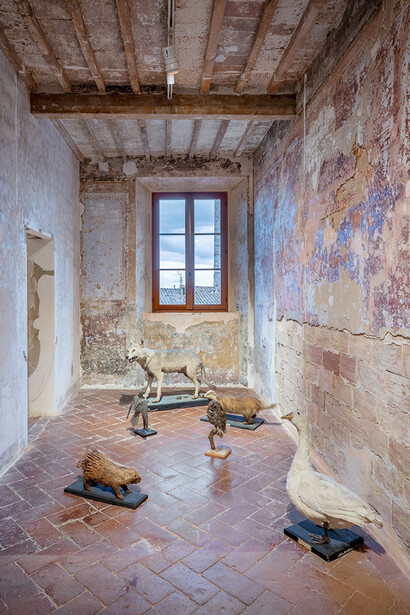
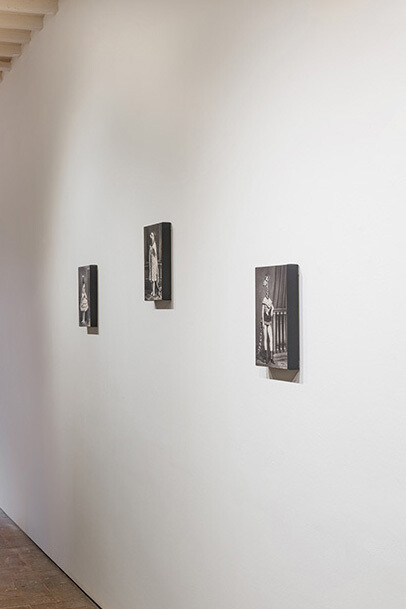
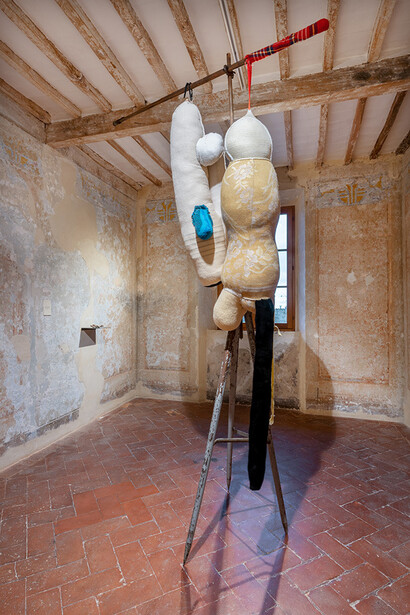
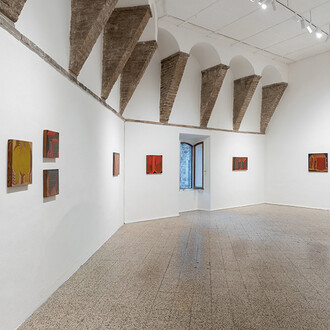
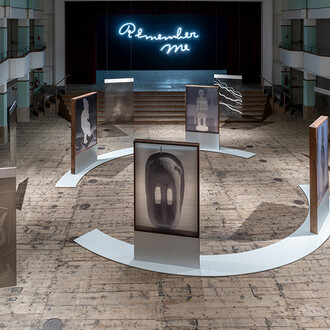
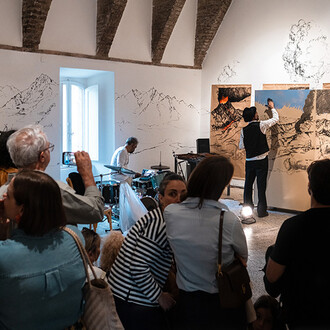
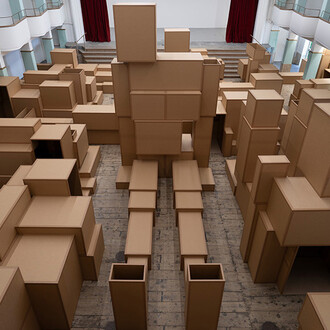
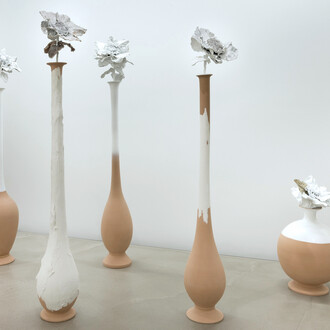
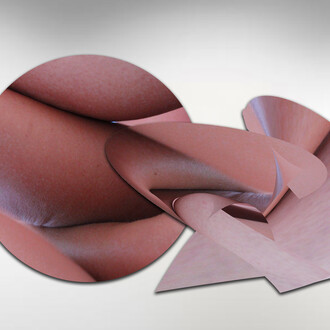
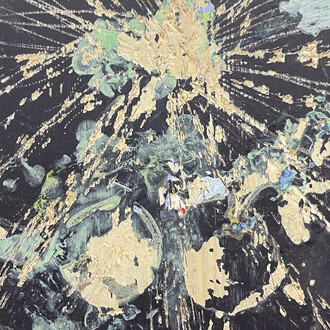
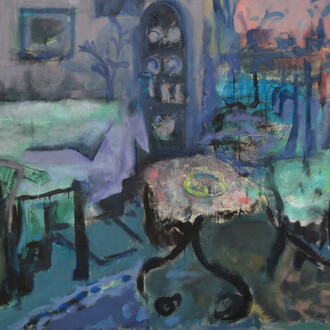
Galleria Continua is pleased to present La coda: appendice, traccia, memoria, a group exhibition curated by Elisa Biagini, bringing together works by Dejan Atanackovic, Berlinde De Bruyckere, Leandro Erlich, Francesca Ghermandi, Carsten Höller, Giovanni Lopez, Claudia Losi, Sabrina Mezzaqui, Andreas Senoner, Kiki Smith, and José Antonio Suárez Londoño and Bekhbaatar Enkhtur.
La coda — the tail — is many things. It is a means of communication and balance; an extension of the body capable of expressing emotion, intention, and tension. For some animals, it is also something that can be shed in moments of danger, sacrificing a part of themselves in order to survive.
Human beings, too, have a tail, albeit only briefly: during the earliest stages of embryonic development in the womb. Though transient and destined to disappear, it invites reflection on our bodily memory and our relationship to our animal nature. In this exhibition, Elisa Biagini assumes the dual role of poet and curator, asking what it means to lack this vanished part of our bodies. Do we retain some trace of it, akin to the phantom limb phenomenon? Do we still long, consciously or unconsciously, to recover this lost remnant of our animal selves?
Through the exhibition, Biagini explores our possible relationship to this absent part of the body and to its many functions and meanings, shaping a dialogue between presence and absence, loss and transformation, instinct and consciousness. The exhibition invites us to confront the animal within and beyond ourselves, and to consider what the body remembers, forgets, or continues to desire. The works brought together here engage with these questions, tracing a path in which the body extends itself, changes, and leaves its marks. The tail becomes an antenna, an appendage, a trail, a point of balance, and a means of connection — an apparently marginal element from which we might begin to rethink our own history.
Further enriching the dialogue between word and image, Elisa Biagini has written a poem to accompany each work in the exhibition. Closely attuned to the works on view, these poems weave a web of echoes, correspondences, and new ways of seeing. Poetry thus becomes an integral part of the exhibition — a voice that draws close to the works, moves through them, and traces their paths, constructing, poem by poem, another journey through the exhibition.