English
 Español
 Français
 Deutsch
 Italiano
 Português
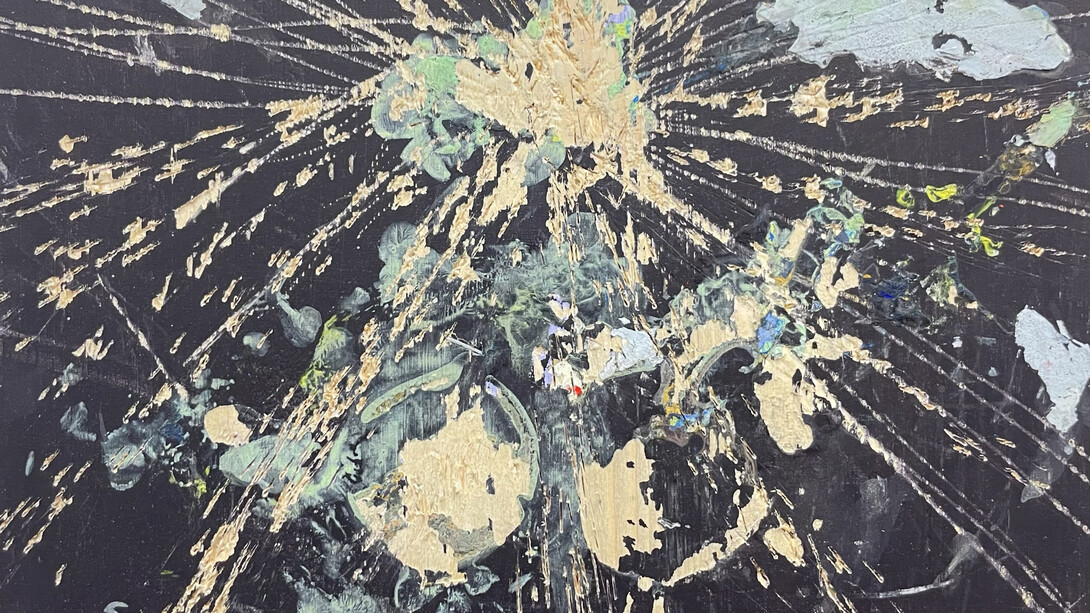
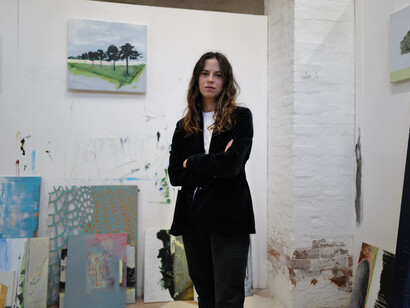
Nuvola Camera is arguably one of the most promising painters of the very latest generation. She trained between Milan and Venice, two centres that in recent years have served as incubators for the new wave of figurative painting, which is now experiencing significant growth in Italy and producing extraordinary results. The subjects of this new series of paintings are predominantly landscapes, a classical genre that has been pivotal to almost her entire artistic practice over the past several years. Nuvola approaches landscape without irony, detachment or the kind of deconstructive reconsideration typical of many approaches associated with postmodern painting. Here, landscape emerges as a genre suited to speaking about the present and as a means of reflecting on the future — not only of painting, but of the world at large. The title, Radioso futuro, laden with ambiguity, makes this immediately clear.
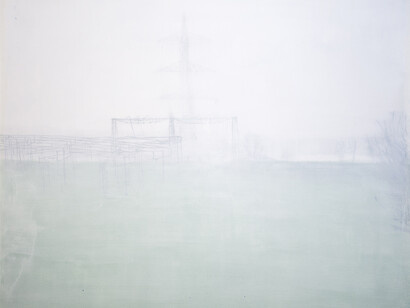
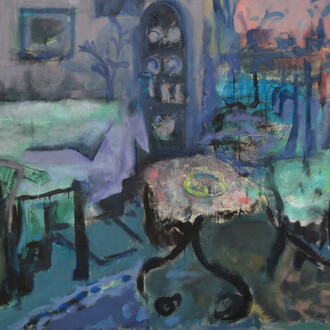
The paintings are the result of a deeply painterly process that rejects any form of conceptual, linguistic or photographic mediation, in which the eye and the hand remain the sole instruments of thought. The composition is carefully considered and patiently constructed, without being bound by preconceived plans. The image takes shape through fragments, patches and essential lines, which seem to have survived the erosion of time. Nothing is dramatic or epic; quite the opposite. Everything is elusive, poetically so, always on the verge of dissolving and shifting from figuration into abstraction. The paintings evoke the suspended quality of Giorgio Morandi’s landscapes and badlands, with their vast, empty, open and airy spaces, around which a few large fields of colour emerge with force. Yet, in contrast to the Bolognese painter, the palette here is cool. Nothing seeks to immediately captivate the viewer’s gaze; nothing offers reassurance or a comfortable sense of welcome. Many of the works seem immersed in a mist that further flattens and softens the colours.
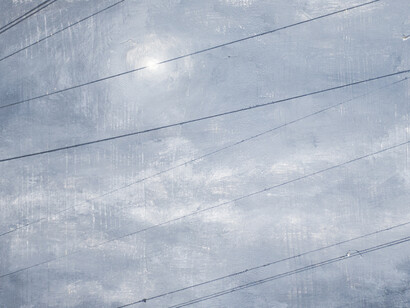
The element that unifies this series is the presence of electricity pylons and their associated power lines. These function as formal elements: thin, imperfect black lines, intertwined and elongated, that cut forcefully across the paintings, infusing them with energy and leaving the viewer with a vague sense of danger. The towering pylons of the plains enter into dialogue with the trees—a recurring theme in Nuvola Camera’s work—and at times replace them in formal terms.
It is clear that these ethereal landscapes, in which no human figure moves, speak to the state of suspension in which we find ourselves living today. They are places of waiting, where we struggle to project an image of the future or imagine a possible landscape in which we might move, whether in the short or the long term. Yet this ambiguity also holds potential, and that potential imbues these paintings with energy, despite their extremely limited palette and handful of marks. “Painting is an exercise in listening,” says Nuvola. And these paintings must quite literally be felt with the eyes.