English
 Español
 Français
 Deutsch
 Italiano
 Português
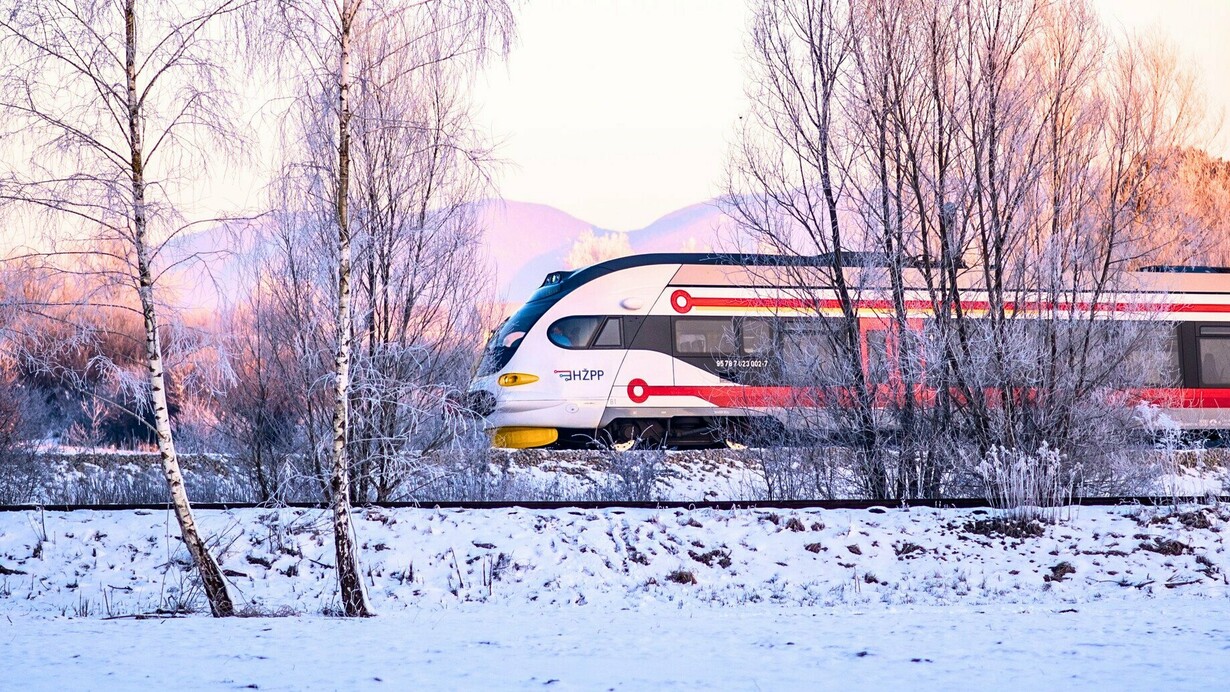
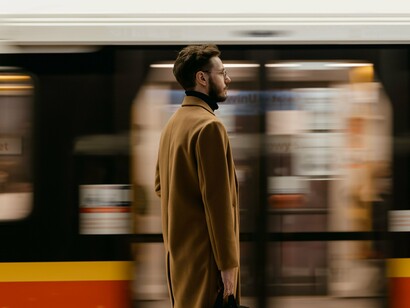
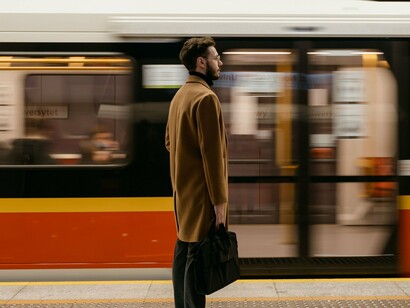
In these modern times when it is the norm for travellers to be found making frantic dashes to the airport, a more civilised way of travelling is making an unbelievable comeback.
The night train was once disregarded as a relic that was impractical and slow. However, today, it is now re-emerging as the stylish solution to modern desires for serene, deep, and sustainable travel.
This comeback is not being powered by reminiscence for a forgotten era of rail travel. Rather, what is fuelling this revival is the deliberate and conscious choice of modern travellers.
Modern travellers are practical and intentional when making choices of what mode of transportation they want to use. And these days, they seek to replace the headaches of air travel with the rhythm of the rails.
New routes are being launched all across Europe. And with these launches are lustrous new carriages rolling on the tracks. Modern rail travel is already proving that the trip itself can equally be the destination.
The map of the new sleeper network
Cities in Europe are now being connected under the cover of darkness by a fresh web of steel. Even though the legendary Venice Simplon-Orient-Express continues to be a redefinition of luxury, the authentic story lies in the growth of modern and practical services. These new train services make overnight travel accessible.
Key modern routes
European Sleeper: This private operator is an innovator. They also excel at forging new connections; for instance, its upcoming route, scheduled for launch in 2026, would run from Amsterdam/Brussels to Milan.
Caledonian Sleeper (UK): This service connects the major cities of Scotland and its Highlands with London. The service merges business elegance with astounding scenery. It literally lets you dream your way into the heart of another destination.
ÖBB Nightjet (Austria): This is the largest night train operator in Europe. It operates a huge network that connects cities such as Paris, Zurich, Berlin, and Vienna. It now boasts of new-generation trains that emphasise en-suite showers and private “mini cabins" for solo travellers.
Other significant new arrivals consist of Spain's Al Ándalus, which transforms a multi-day trip into a moving historical expedition, as well as Poland's Adriatic Express to the coast.
The design of dreams: inside the 21st-century sleeper cabin
If you had travelled frequently with trains in the past, then you would easily recall couchettes that were cramped and shared bathrooms.
You can forget about all those experiences. You should actually be looking forward to taking a trip on any of the new wave of sleeper trains that exist today.
These new sleeper trains are designed to provide you with ultra-modern comfort and privacy.
Operators are making significant investments in these trains. It's no wonder that many of today's carriages feel more like condensed, moving hotel rooms.
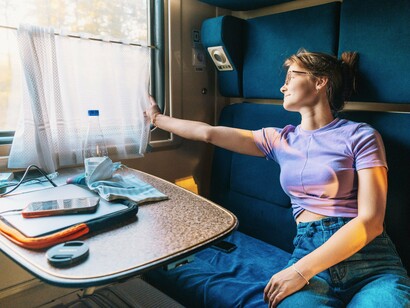
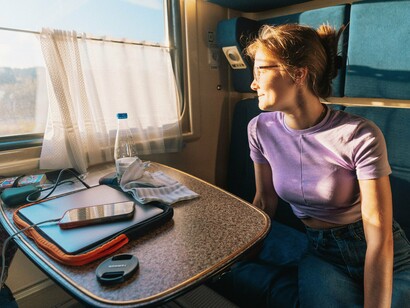
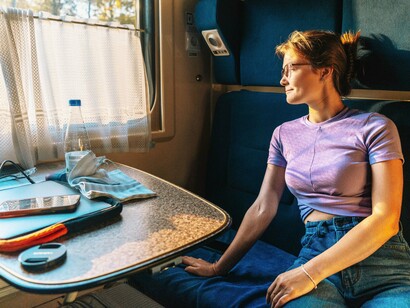
The train compartments are very modern and can systematically transform from seating into sleeping spaces. Also, they usually consist of private showers and washbasins.
These operators focus on providing travellers with an environment that is not just restorative and peaceful but one where travellers truly reach their destinations well rested.
The sustainable calculus: the real carbon math of a night on rails
The environmental debate for night trains is clear and convincing. Travelling by railways is the most climate-friendly form of motorised transport.
Here are some reasons why:
Efficiency in notion: The night train displays its brilliance in two major ways: it is both accommodation and transport. You travel while you are sleeping. What this also means is that you are also saving the extra carbon footprint of a night in a hotel.
Beyond CO₂: Trains are known for significantly reducing other pollutants such as nitrogen oxides. Trains are equally known for creating far less noise pollution when contrasted with air travel.
Dramatic reductions: You can cut down travel emissions on popular routes by between 73% and 91% when you take the train instead of a plane. For instance, about 90% less CO2 is generated by a train on a journey from London to Paris.
The lost art of the journey: what you find when you can't get off
Travellers are literally trooping in droves just to patronise night trains. These travellers seem to have rediscovered a concept en masse – that a night train is actually the soul of the sleeper experience.
For many of these travellers, they have come to discover that on a night train, you don't lose any time, rather you actually regain time.
Taking a night train feels to these frequent travellers as if they are taking part in a ritual and being immersed in the magic of the process that surrounds it.
It feels like a ritual but a unique one when one considers what it entails: you settle inside your cabin as the city lights fade away, the manner in which the carriage you are in rocks gently, and the beauty of waking up to a completely new landscape that you can see outside the windows.
Indeed, it all feels surreal when you take the night train. You are forced to slow down from the hustle and bustle of city life.
This slowdown forces you to consider other activities that make life meaningful. As a result of this slowdown, travellers are encouraged to read books, engage in conversations, and simply watch the terrains outside the windows as the world speeds by.
One frequent traveller once noted that the trips by night trains are not about speed but about rhythm.
Your ticket to the golden age: a practical guide to sleeper travel in 2026
Are you prepared to try out a trip by night train? Here are some tips to assist you with planning out a smooth journey:
Make early bookings, make smart bookings: You need to bear in mind that the best tickets sell out fast, especially those for private cabins. Some operators open bookings as early as a year in advance. When you are ready to make your booking, you can make use of websites of operators (such as sleeper.scot for Scotland). If you want to book international tickets, you can use aggregators such as RailEurope.
Select your comfort: On most night trains, you have several alternatives to make a selection from. Available options range from shared couchettes to seated coaches to private rooms with en-suite facilities. Choose what you need for a good sleep at night.
Pack strategically: Before your night train trip, your thoughts should be on how to travel in a compact manner. As a result, you should pack items that are not bulky but would make your journey comfortable. Essential items would comprise an eye mask, comfortable layers (in case temperature changes), slip-on shoes, a portable charger, and earplugs.
Manage expectations: Crossing borders on night trains can require passport checks while you are supposed to be asleep. Also, frequent delays should be expected because overnight track maintenance is a reality of the rail network.
Conclusion: a future on the tracks
It's not an ordinary travel trend that is behind the current revival of the night train. It's actually a dramatic shift in mindset.
The world today is preoccupied with efficiency and speed. When a traveller chooses to journey by a sleeper, they are making a conscious vote for an unhurried, more linked, and more sustainable means of exploring our continent.
The night train is further proof that the most educated means of travelling does not necessarily have to be the swiftest but rather the one that brings about a restoration of a sense of wonder, grace, and responsibility to the trip itself.
As the train tracks extend under the floodlight of the moon, the future of contemplative travel appears to be brighter and unmistakably more restful.