English
 Español
 Français
 Deutsch
 Italiano
 Português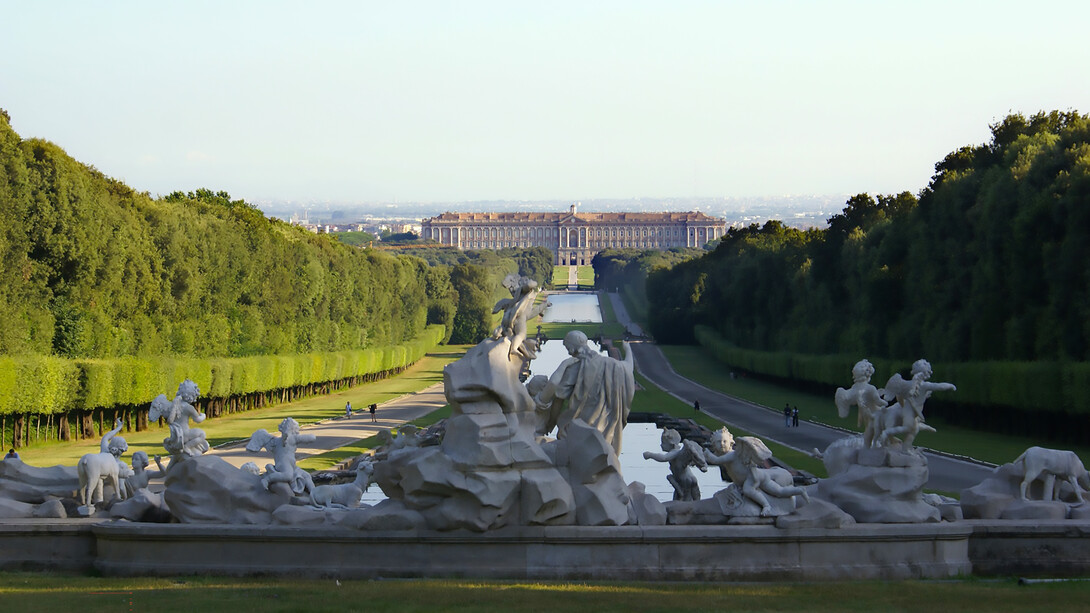
When I boarded a train back to Naples after six months away, I expected to feel as if I were a visitor. Instead, I felt something stranger. I was returning to a place that was no longer foreign but not fully mine either. Campania was familiar and unpredictable at once, as if the region itself was testing whether I had learned from my first stay.
I had already lived in Campania for five months, studying in Caserta during my Erasmus semester. At that time, Naples became my second home, full of energy and chaos, while Caserta offered me routine and independence. When I returned, it was not to the same city but to Contursi and Buccino, two small towns in the province of Salerno. They taught me to live more slowly and without constant pressure.
Looking back, living in Campania twice was not simply about returning to a place. It was about experiencing how different life can feel depending on where you are: city and countryside, chaos and calm, and the difference between discovering a place and then understanding it better the second time. More than anything, it taught me that the same region can offer very different lives depending on how you meet it.
Caserta
My first encounter with Campania was Caserta. It is not a city that usually makes headlines. Travelers often pass through it on their way to Naples or the Amalfi Coast. But for me, it became home.
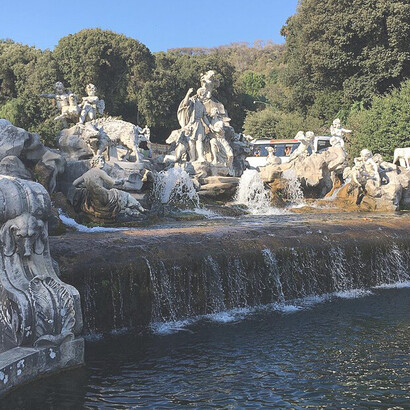
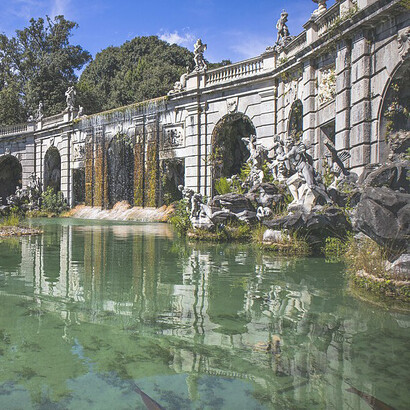
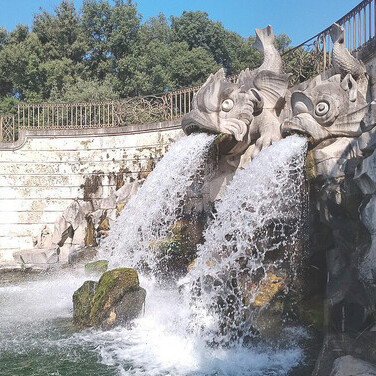
Every morning, I walked past the Royal Palace of Caserta, one of the largest in Europe. Tourists came for its fountains and gardens, but for me, it became part of the background, as if it were a neighbor you greet every day without thinking. That, in itself, was a lesson—grandeur becomes ordinary when you live alongside it.
Caserta gave me independence. For the first time, I had to manage life in a foreign country on my own. Grocery shopping in Italian, navigating train delays, and figuring out how to pay bills—these were the everyday challenges that quietly shaped who I am in this very moment, while writing this. What I found especially interesting about Caserta was precisely its balance. It had enough things to do so I never felt bored, but it was also quiet enough for me to build a stable daily routine. It was a practical place to live.
Caserta was also a starting point. Every weekend, I felt pulled toward Naples, a city people warned me about, hiding my jewelry long before I arrived. However, I discovered a completely different side.
Naples
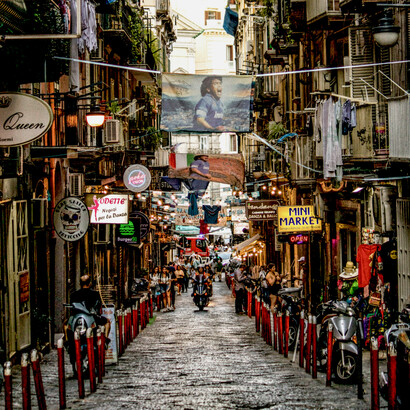
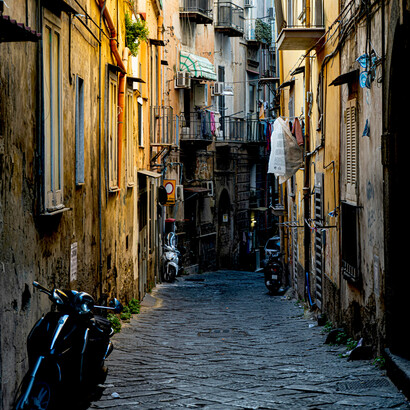
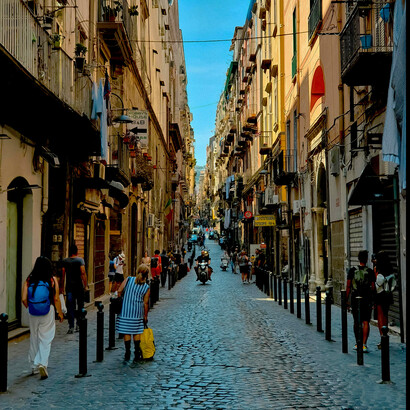
Naples was chaos and beauty combined. The first time I set foot there, I felt overwhelmed. The streets didn’t follow any clear order, scooters moved through traffic without hesitation, and there was constant noise everywhere. After a few visits, I started to understand how the city worked. I also realized how different the same exact region can feel, even when it is only a 25-minute train ride away.
What stood out to me most was how everyday life and history existed next to each other. Old archaeological sites were right beside pizzerias, churches opened onto busy squares, and traditions continued through local food stands and small festivals. Naples refused to separate its past from its present.
It was in Naples that I learned that a city can be many things at the same time. A city that could feel overwhelming one moment could also feel like pure freedom the next. Walking along the seafront at sunset, I understood why people fall in love with the city despite its imperfections.
For me, Naples also became a place of friendships. Moments, including sharing pizza with people or even going on endless walks with my roommate searching for the perfect “Made in Italy” shoes, made me feel part of something bigger. When my Erasmus semester ended, I felt that leaving Campania meant leaving a part of myself behind. At the time, I thought it was the end of the story. I did not know I would be back soon.
Somewhere in Salerno
Six months later, I returned to Campania, but this time my daily life was nothing compared to before. Instead of Caserta’s student life or Naples’s chaotic energy, I found myself in Contursi and Buccino, small towns in the hills of Salerno.
Here, the pace of life was slower, almost meditative. In Contursi, mornings began with quiet streets. In Buccino, evenings ended in the town square, where locals gathered and conversations stretched late into the night. Unlike Naples, where it was easy to disappear into the crowd, these towns were personal. Since I was there for a project with other volunteers, everyone knew who I was. Kids ran up to practice their English, nonnas greeted me like family, and people always stopped to chat, even if my Italian was never perfect.
This second stay revealed a different Campania. If Caserta had been about independence and Naples about energy, then Contursi and Buccino were about connection. They taught me that the essence of a place is not always visible in its monuments but in the small acts of daily life, which may include a shared morning coffee or a quick hello.
Returning to Naples: seeing with new eyes
During this second stay, my friends from the project and I decided to visit Naples together. For them, it was a first encounter. For me, it was a return. I thought I would be their guide, showing them the city I knew so well.
But something unexpected happened. Walking those streets again, I noticed details I had missed before: balconies so close they almost touched, little jokes hidden in street art, and the quiet strength on the faces of people who had lived there all their lives.
With my friends seeing the city for the first time, Naples became new to me again. I realized that the city had not changed, but I had. Living in smaller towns had strengthened my attention. I appreciated not only the energy but also the subtle moments: a vendor offering an extra orange at the market, children playing football in the street, and an old man repairing his fishing net while softly singing to himself.
Returning to Naples taught me that rediscovering a place can be just as meaningful as discovering it. The first time, I was overwhelmed by its chaos. The second time, I found beauty in its details.
Realizing what truly changes
In the end, Campania taught me something practical. A place can stay the same, but the way you see it can change completely. Caserta gave me stability, Naples pushed me out of my comfort zone, and the small towns in Salerno helped me slow down. When I returned to Naples, I noticed details I had ignored before. The city itself had not changed, but I had. Living in different parts of Campania made me understand that the most meaningful changes often happen inside you, not around you.