English
 Español
 Français
 Deutsch
 Italiano
 Português
In South Carolina, the reigning dishes are unmistakably Southern: shrimp and grits, crab soup, fried green tomatoes, various types of barbecue, and cornbread dominate menus in both fine-dining establishments and hole-in-the-wall diners.
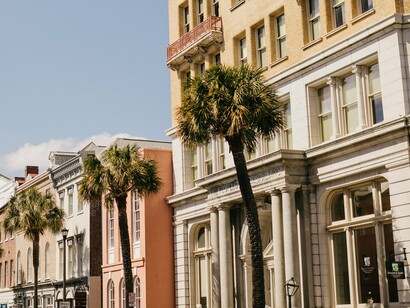
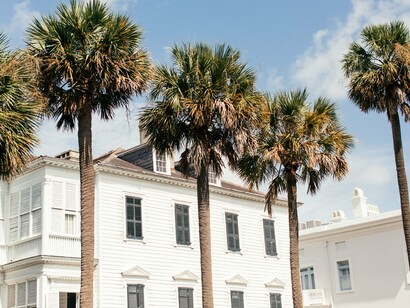
But while plenty of cities across the South celebrate these classics, the Lowcountry and the region’s crown jewel city, Charleston, have developed a distinctly modern approach to the cuisine, embracing the traditions that made the region famous while continually finding new ways to serve them.
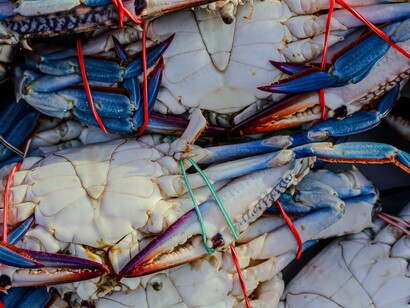
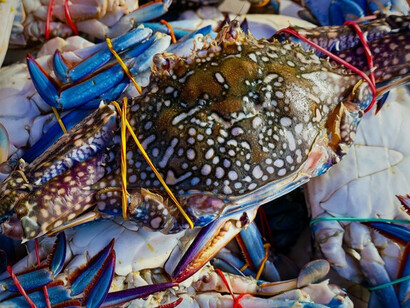
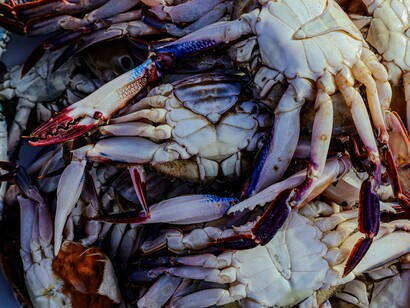
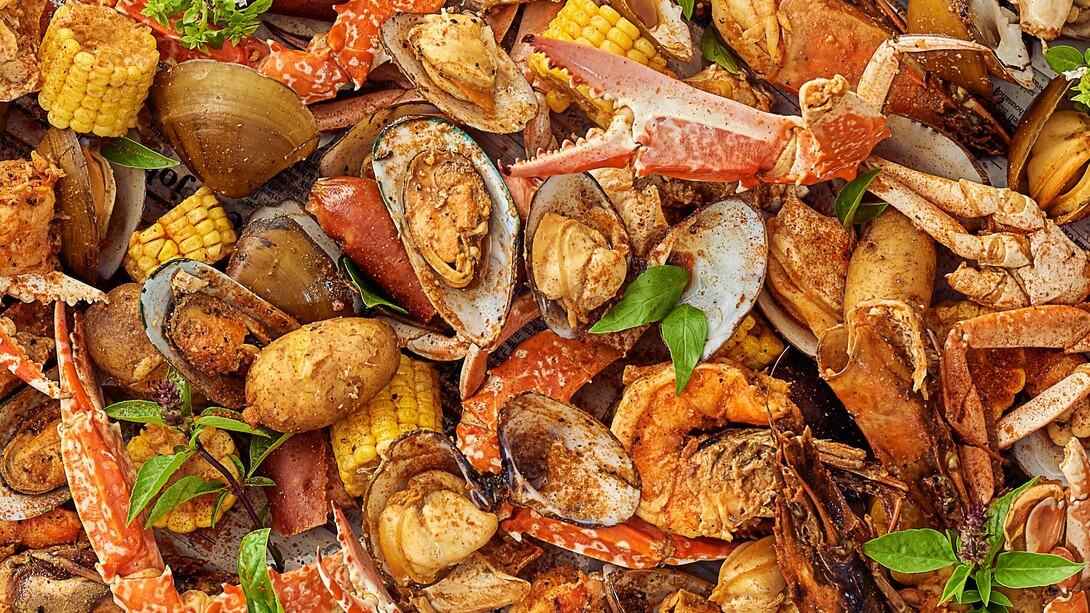
Charleston’s coastal location and the nearby barrier islands are central to that identity. Fresh shrimp arrive straight from local fishermen and the docks, oysters are pulled from nearby tidal creeks and marshes surrounding the city, and local fish and crab are a staple item on menus. Seafood can be boiled or fried, piled onto platters, stacked into sandwiches, or even served raw at sleek oyster bars paired with an ice-cold martini. A traditional Lowcountry boil can coexist just a few blocks from an elegant seafood tower, yet both are drawing from the same places.
History is also a big part of what makes Charleston and the Lowcountry’s food scene so dynamic. Contributions from African-Americans and enslaved people, the African diaspora, Indigenous people, and various groups from around the world have created some of the most time-honored dishes that have become part of the region's fabric.
That history is also why modern areas' food can feel much broader than the stereotypical idea of Southern-style food. Being a coastal region with many different groups contributing to the creation of dishes, it’s not unusual to find chefs drawing connections between familiar Southern ingredients and flavors from West Africa, the Caribbean, France, Italy, or Asia. These influences, found on many menus, often reveal just how international Southern food has always been.
Then there is the other side of Charleston's appeal: fine dining. Over the past few years, both Southern-born and transplant ambitious chefs and restaurateurs have helped transform the city of Charleston from one primarily known for Southern food into one of the country’s biggest and tastiest food destinations. Chefs include Sean Brock, whose work at Husk helped ignite national interest in heirloom Southern ingredients, and Mike Lata, also a James Beard Award-winning chef who gives even the most classic Southern dishes an elegant update.
Lately, a newer generation of chefs, including another James Beard Award-winner Rodney Scott, James London, who helms the restaurant Chubby Fish, and chef Daniel Heinze, have continued to push Charleston’s food scene forward, bringing new and ever-changing perspectives to everything from traditional tried-and-true dishes to locally caught seafood. Their restaurants feel distinctly modern without losing sight of the ingredients, traditions, and sense of place that make Lowcountry cooking unique.
Just as there isn’t one type of Southern cuisine, there isn’t just one Lowcountry cuisine either. In fact, there are plenty of American cities where you can find great Southern food. Louisiana brings Cajun and Creole, while the Carolinas have barbecue rivalries spanning generations. There also isn’t just one Lowcountry cuisine either. You can eat oysters beside the water, barbecue from a roadside counter, and an intricately composed dinner from one of the South's most celebrated kitchens, all within the same region, and maybe on the same day. The region is a blend of worldly influences, brought together and forever changing—making the Lowcountry one of the world’s best food destinations.
Lowcountry cooking is inseparable from its geography. The marshes, tidal rivers, barrier islands, and subtropical climate created a cuisine built around rice, seafood, vegetables, and ingredients that thrive in the heat. Carolina Gold rice, once one of the region’s most important crops, remains a defining ingredient, while local shrimp, oysters, blue crab, okra, and field peas still form the backbone of many dishes. Here, what ends up on the plate has always been closely tied to what can be harvested from the diverse landscape.
Charleston may be a food city, but travelers would be remiss not to explore the smaller cities, towns, and islands of the surrounding Lowcountry. The region stretches along South Carolina’s coast through places like Beaufort, Hilton Head Island, and the Sea Islands, which include jewels of dining establishments throughout. Away from Charleston’s white table-clothed dining rooms, some of the region’s most memorable meals can be found at roadside joints, seafood shacks, fish markets, and unassuming neighborhood diners. In this region, the best dishes are often served up on paper plates, handed over directly from the cook working behind a counter.
The Lowcountry doesn't have to choose between preserving Southern cooking and reinventing it; it does both at once. And that may be exactly why, when it comes to defining what Southern food looks like today, Charleston is increasingly the place setting the bar for how Southern food can evolve yet be preserved.