English
 Español
 Français
 Deutsch
 Italiano
 Português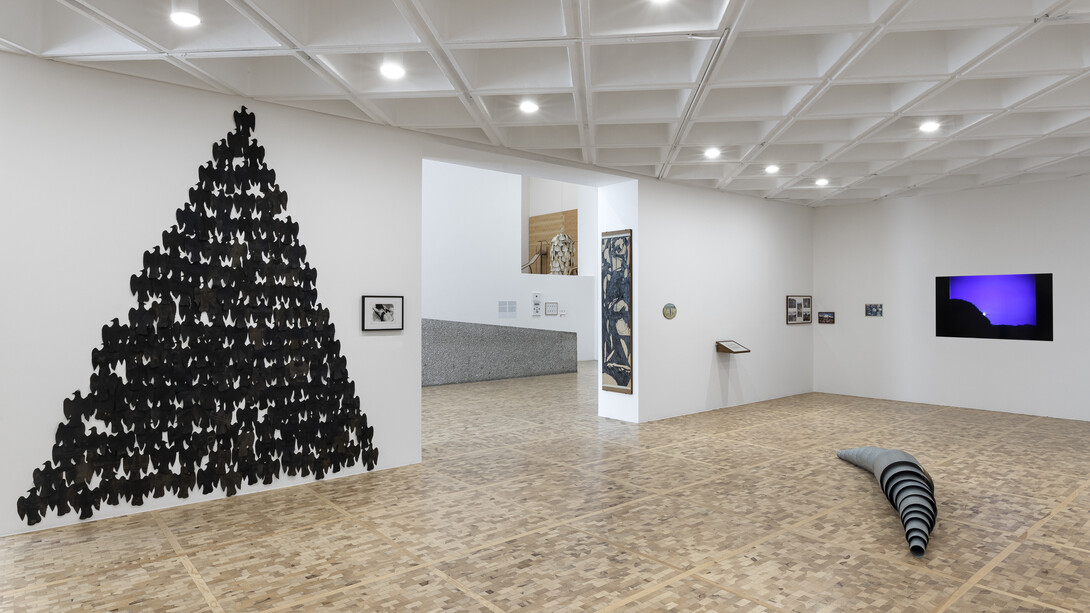
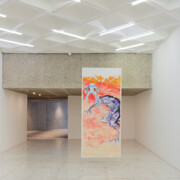
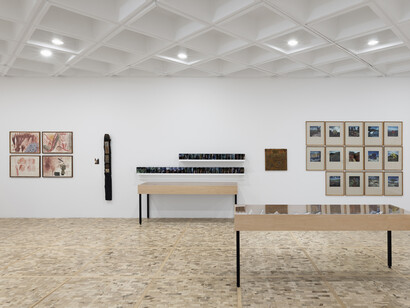
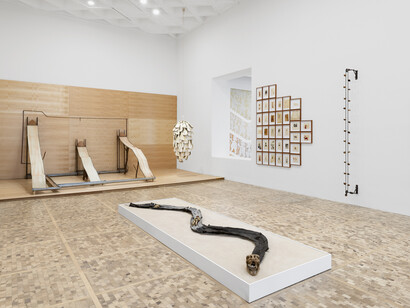
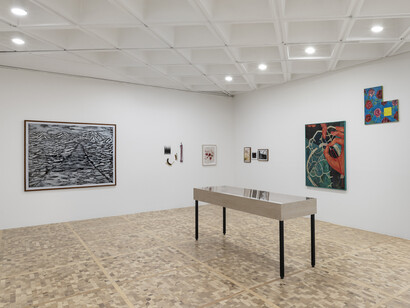
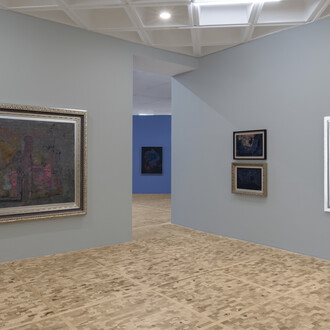
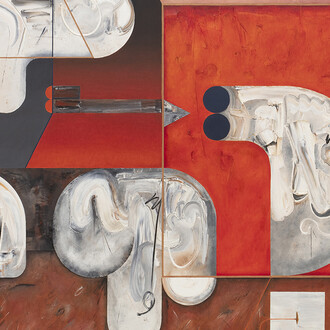
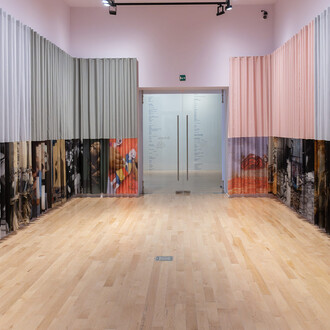
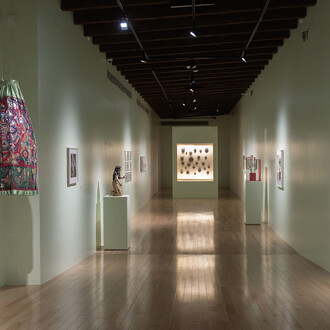
This exhibition brings together more than sixty artists who, during the 1980s, explored Mexico through a penetrating gaze on the pre-Hispanic past, the territory, popular culture, and the country’s transition toward globalization. Created between 1981 —the year the Museo Tamayo opened— and 1991—the year of Rufino Tamayo’s death and the total solar eclipse— these works redefined our conception of the national. In an era marked by socioeconomic crisis, political instability, and the devastating 1985 earthquake, the artists participating in this exhibition anticipated ways of entering and exiting the contemporary through the fissures of history.
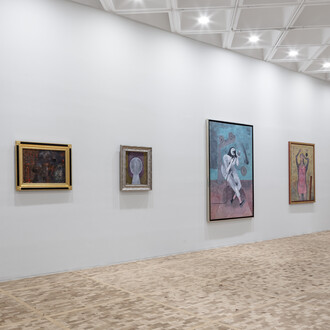
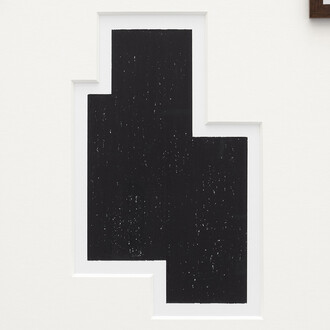
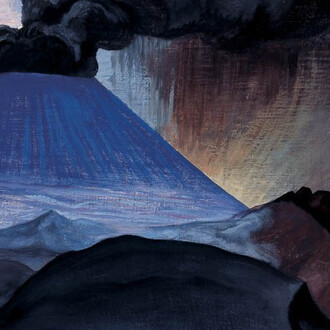
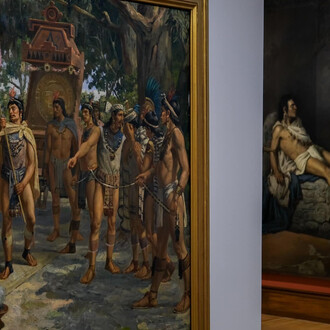
Before the eclipse. Archaeologies of art in Mexico focuses on Mexican and foreign artists who lived in Mexico City during this period and were interested in archaeology, ecology, and spirituality. Through travel narratives, site-specific interventions, sculptures, paintings, assemblages, videos, and manipulated images, their works reveal a constant exploration of Mexico’s cultural landscape.
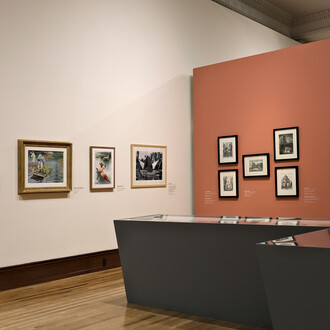
Some of these works are being presented in Mexico for the first time and invite a reinterpretation in relation to current contexts, while others challenge historical narratives from intimate, physical, or political perspectives. Rather than merely illustrating a period, the exhibition seeks to unfold a field of resonances between temporalities, formats, and artistic gestures.
To mark the 45th anniversary of the Museo Tamayo, the exhibition returns to the cultural context of the museum’s early years (1981–1991) and revisits the thought of Rufino Tamayo, who proposed a dialogue between the vernacular and the universal, the ancestral and the modern. Using archaeological methodology as a metaphor, the exhibition explores the relationship between material culture, mythology, and the social constructs underlying the historical layers of that period.