English
 Español
 Français
 Deutsch
 Italiano
 Português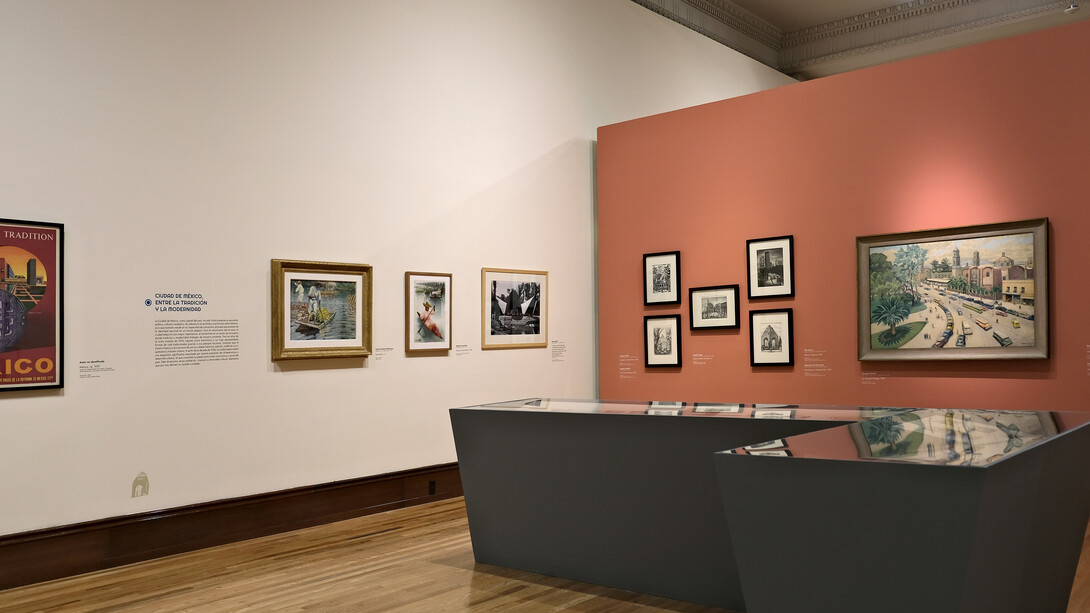
How is the image of a country constructed? In Mexico, that image was a collective creation: intellectuals, artists and cultural promoters worked together, particularly during the first decades of the twentieth century, to define and disseminate a national identity. The result was a vision of Mexico as a peaceful, diverse country rich in traditions, capable of connecting its past with a promise of modernity.
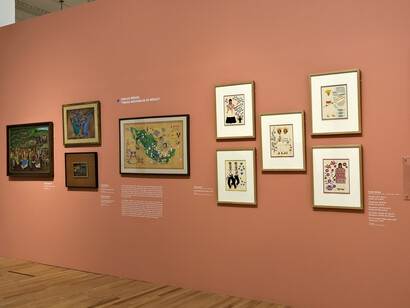
This project also had a practical dimension. The construction of the Pan-American Highway (1936) and other infrastructure projects opened up the territory and established new routes of connection. Along these routes travelled not only people but also images: paintings, photographs, maps, magazines, travel guides and postcards that promoted landscapes, cities and local customs. In this way, Mexico began to establish itself as an international destination.
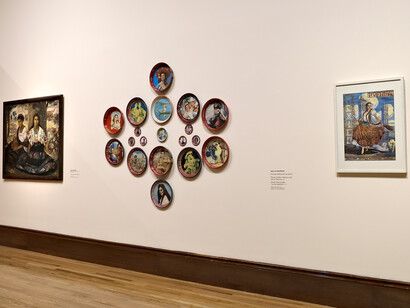
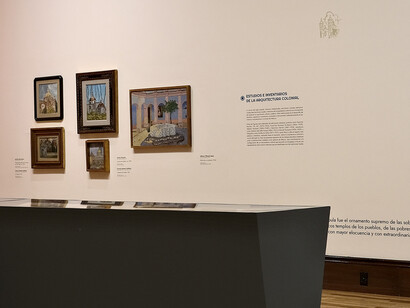
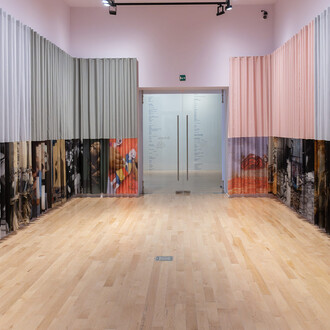
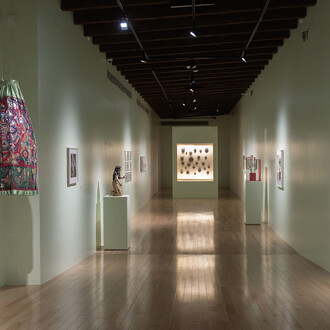
The exhibition Mexico: route and destination explores these visual constructions through three thematic sections: Imaginaries, Routes and Destinations, and Tourist Bodies. Together, they reveal how different media and agents contributed to shaping an idea of the country in the collective imagination. At the same time, the exhibition raises a question that remains relevant today: how do these representations engage with contemporary challenges of conservation, sustainability and heritage preservation in the face of expanding tourism?
(Text by Claudia Garay Molina)