English
 Español
 Français
 Deutsch
 Italiano
 Português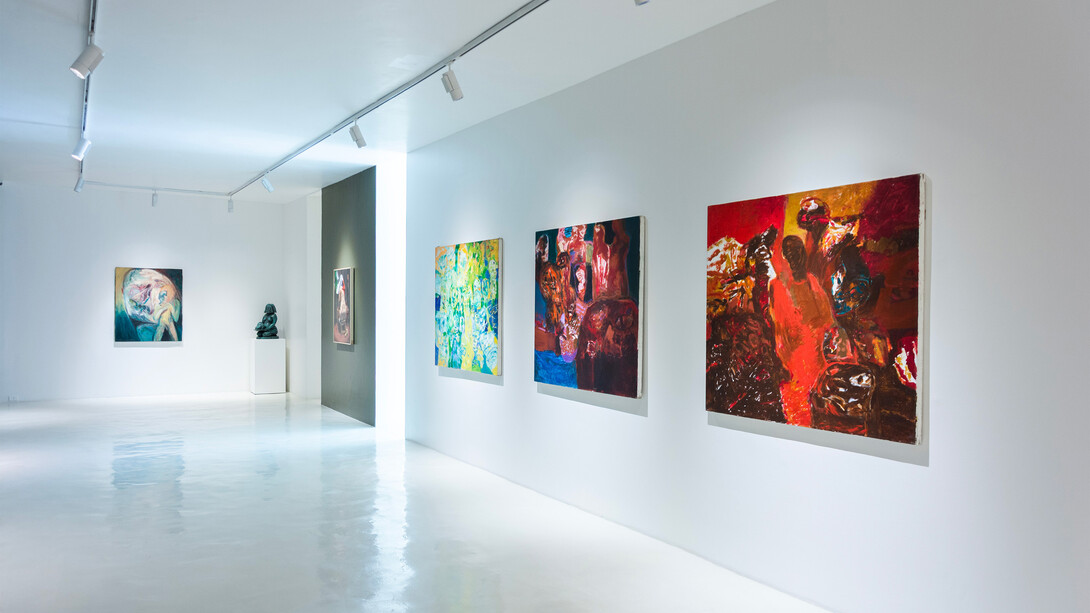
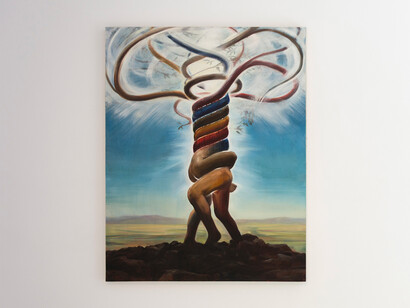
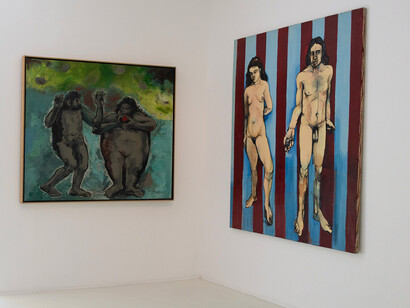
Galería Hilario Galguera is pleased to present the exhibition Profundo México by Mexican artists Gilberto Aceves Navarro (1931) and Daniel Lezama (1968). The exhibition explores national identity as a mythical and territorial construction that unites two fundamental generations of Mexican visual arts. This encounter proposes a reading of “Deep Mexico” not only from its physical geography but as a psychic space where landscape, body, and origin intertwine. The show establishes a dialogue between gestural synthesis and symbolic density, revealing the layers of a reality that is simultaneously historical and contemporary.
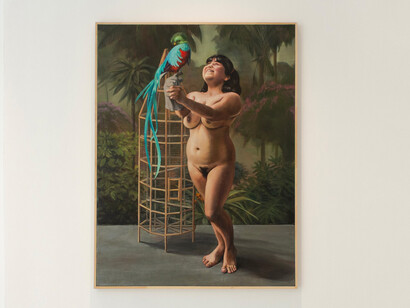
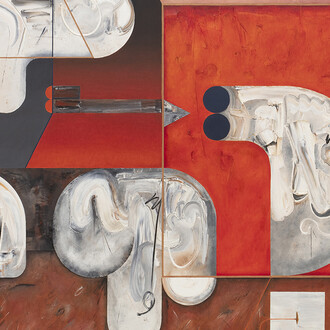
The work of Gilberto Aceves Navarro is distinguished by a liberated stroke and a chromatic energy that captures the vitality of the environment, allowing form to emerge from pure movement and intuition. In contrast, Daniel Lezama constructs a figurative narrative charged with symbolism and psychological realism, where everyday elements are elevated to the category of archetype. While Aceves seeks the essence through synthesis and rhythm, Lezama delves into materiality and memory, offering a vision of the country that is at once fertile, raw, and transcendent.
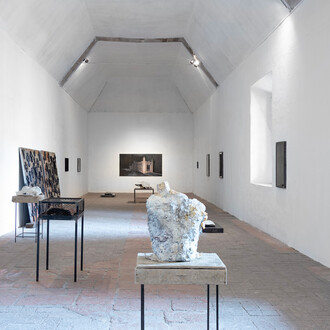
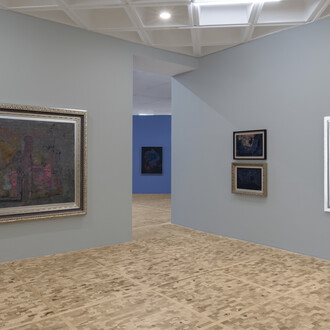
The body of work, composed of more than thirty pieces ranging from oil painting, acrylic, and watercolor to bronze sculpture, traces a physical and allegorical map of great magnitude. The exhibition travels from the urban vibration of Genova street and the ancestral mysticism of Monte Albán in the hands of Aceves Navarro, to the humid landscapes charged with memory in Lezama’s Los jardines de Cuernavaca. This dialogue becomes especially intimate in the interpretations of the myth of Adam and Eve, where both artists reinterpret Genesis from a local and stark perspective: Aceves through light and references to the Great Masters, and Lezama through the representation of a childhood that inhabits the earth as if it were the world’s first stage. The inclusion of bronzes such as Mujer-hongo (Mushroom-woman) or Niña árbol (Tree girl) expands this vision toward tactile matter, reminding us that “Deep Mexico” is also an entity of volume, weight, and buried roots.
The exhibition consolidates the dialogue between these two artists as a testament to the evolution and enduring relevance of painting in the country; it underscores how Mexican art continues to explore its roots to generate new readings of the territory and its myths. It is, in essence, a recognition of the plastic arts’ capacity to shape collective identity through two of its most powerful languages.