English
 Español
 Français
 Deutsch
 Italiano
 Português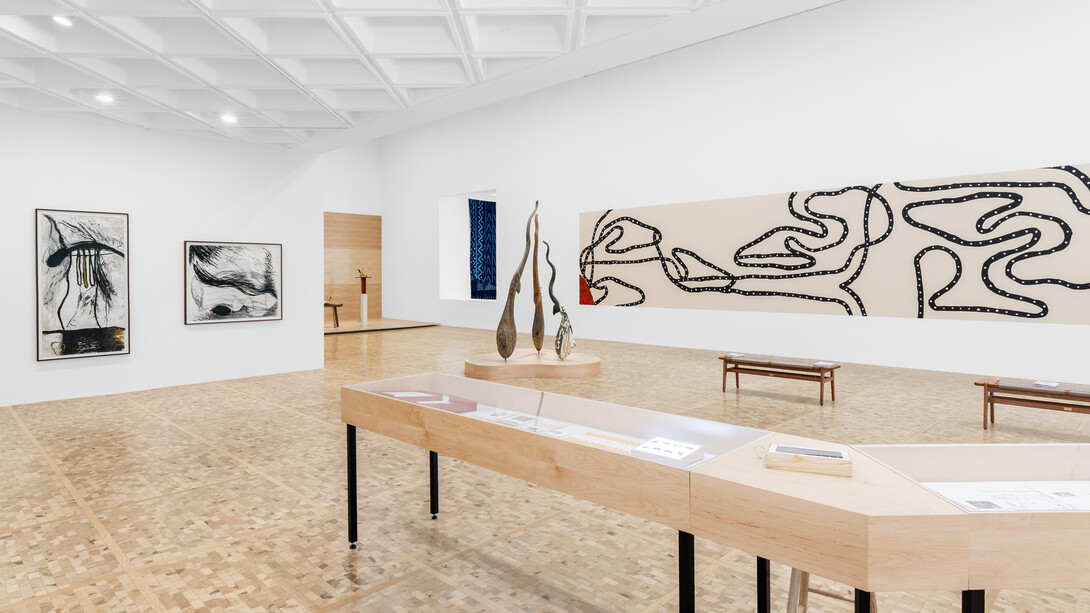
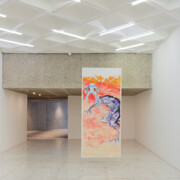
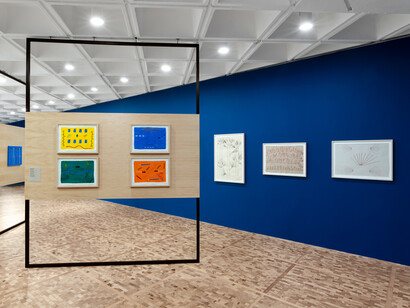
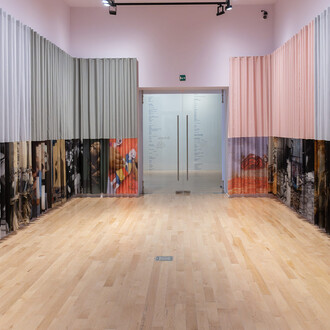
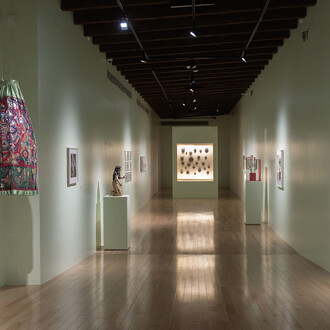
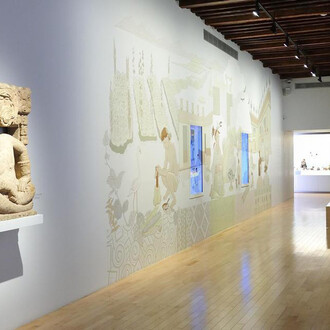
he Museo Tamayo opens its 2026 exhibition program with Wayamou: common tongues, which brings together works by Laura Anderson Barbata (Mexico, 1958) and Sheroanawe Hakihiiwe (Sheroana, Venezuela, 1971), artists who share an interest in spirituality, cosmogony and nature, and materializes in the exchange of knowledge as an essential practice for cohabiting the world.
During her first visit to Mahekoto-Theri (Platanal), State of Amazonas, Venezuela, Laura learned the art of canoeing from the Ye'kuana people. They, following the principle of “reciprocity”, invited him to teach them something in return. The artist then gave a workshop to make handmade paper with natural fibers attended by young people and children from other communities, including the young Yanomami Sheroanawe Hakihiiwe, who decided to become an artist based on this transformative experience.
In 1992, together they founded the project Yanomami owë mamotima (The yanomami art of making paper) as an initiative for the community to narrate the Yanomami story with their own voice, and not from the colonial, religious or anthropological projects that had been established in the area for decades. One of the most relevant publications was Shapono (Casa) from 1996, an artisanal book made of vegetable fibers that contains the story of the origin of collective housing.
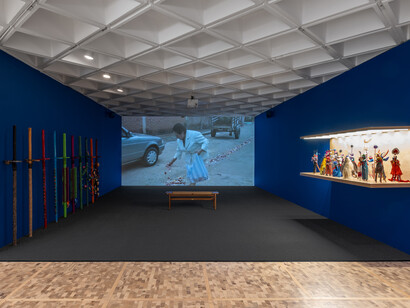
Anderson Barbata traveled to the Amazon for a decade, making sculptures and drawings that critically mix aspects of nature, religion and the spiritual. Later he worked with communities in Trinidad and Tobago, Oaxaca and New York. Under the concept of “transcommunality”, which focuses on reciprocity and hospitality as areas of social and artistic convergence, Laura's work extends to performance, dance and textile design. In them, it summons musicians and artisans to carry out street processions as political acts that denounce racism, endangered ecologies and promote social justice.
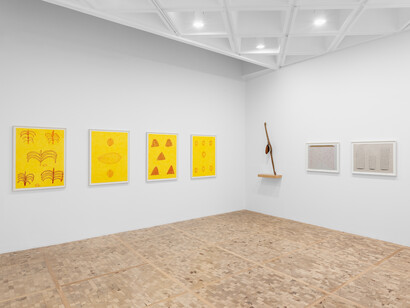
Sheroanawe Hakihiiwe, after her experience of making paper, began a long quest to visually translate the ecosystem of the Amazon rainforest. His first drawings captured the microscopic world of animals and plants and were based on the symbols used in basketry and the language of Yanomami body painting. Later, the artist transferred stories of the social and ritual life of his culture to paper and worked on works guided by the voice of the shaman, which delved into dreams and the spiritual.
In the Yanomami language (spoken mainly in Brazil and Venezuela), Wayamou is a ceremonial dialogue between two people who keep the peace and resolve social and political conflicts. The dialogue between the two artists and the work that comes together in this exhibition add to their work as spokespersons for territorial, ecological and cultural crises that put ecosystems and ancestral knowledge at risk. His artistic practice is an act of memory and also of resistance.