English
 Español
 Français
 Deutsch
 Italiano
 Português
Mental wellness has emerged as a critical priority for Italian consumers, reshaping the food and supplement landscape in unexpected ways. According to the 2024 edition of the Mind Health Report by Axa and Ipsos, 28% of Italians struggle with their mental health, especially anxiety. This widespread concern is driving demand for products that do not just provide emotional comfort through taste but deliver functional benefits that actively reduce stress and promote mental equilibrium. The traditional concept of "comfort food" is being reimagined, and Italians increasingly seek foods and supplements that calm their nervous systems rather than simply satisfying cravings.
The Italian mental wellness market
Italy is the largest food supplement market in Europe, worth over €4.5 billion in 2023. About 73% of Italians used supplements at least once in 2023 from store brands. Within this substantial market, stress and anxiety relief products represent a growing segment. Examples include stress relief products by Nat & Form and Boiron Store Brands, showing that established brands are responding to consumer demand.
Thanks to its large supplement manufacturing industry, Italy is one of Europe’s top six importers of medicinal and aromatic plants. Italy imported over 15,000 tonnes of these plants in 2023, valued at €94 million in store brands. Between 2019 and 2023, import volumes grew at an average annual rate of 6.5%, while the value increased by 7.1% for store brands. This growth reflects escalating demand for natural stress-relief ingredients.
Functional foods for mental wellness
The idea of using food to manage stress extends beyond supplements into everyday eating. Consumer interest in foods that offer mood benefits, such as stress management, better sleep, improved mental well-being, or sharper focus, has always existed. Around a fifth of consumers claim to be eating foods intended to boost their mood and mental well-being.
However, turning this interest into successful products presents challenges. When developing foods or beverages for mood and mind health using science-based ingredients, manufacturers often face difficulties with taste. Achieving an effective dose while still delivering good flavor is not easy. This is one reason many mental wellness solutions remain in supplement form rather than being integrated into everyday foods.
The probiotic-mood connection
A growing area of innovation involves probiotics formulated specifically for mental wellness. Launched in Japan in 2021, Yakult 1000 is a 100 ml probiotic dairy drink aimed at people in their 30s to 50s. It contains the company’s signature Lactobacillus casei strain Shirota and is designed to alleviate stress and improve sleep quality. It became a major success, achieving $1 million in daily sales during 2022. Sales reached over $850 million in 2023 and climbed to more than $1.1 billion in the year ending March 2024.
This success shows that consumers embrace functional foods for mental wellness when products provide benefits they can actually feel. Italian consumers, who are both health-conscious and demanding about flavor, expect solutions that combine efficacy with enjoyment.
The rise of adaptogenic ingredients
Adaptogens are now central to the mental wellness movement. Ashwagandha, an herb used in Ayurvedic medicine, has gained particular visibility. Extracts of ashwagandha root and leaves are common in supplement formulations, with key active compounds such as withanolide glycosides and oligosaccharides drawing the most scientific interest.
Clinical studies have shown that high-concentration ashwagandha root extract can improve stress resistance and reduce anxiety in adults. Ashwagandha is known for lowering excess cortisol levels in individuals experiencing chronic stress, giving relief before adrenal fatigue develops.
L-theanine, an amino acid naturally occurring in tea, works in synergy with adaptogens. It reduces physiological responses to stress, including heart rate, and enhances attention. L-theanine has also been shown to support alpha brain wave activity, which is associated with relaxation.
Combining ingredients for maximum effect
The most effective stress-relief supplements use multiple ingredients that target different mechanisms. After four weeks of L-theanine supplementation, participants in studies reported lower anxiety and stress scores. Reviews of multiple studies also show that ashwagandha can reduce perceived stress when compared with a placebo.
Magnesium plays a key supporting role. It helps regulate cortisol, has a calming effect on the body, and supports the stress response alongside minerals such as zinc and B vitamins. This is why many comprehensive stress-relief formulas include mineral support in addition to adaptogens.
When ashwagandha is paired with vitamin B6, studies show that stress scores can be lower than with ashwagandha alone. This highlights the effectiveness of multi-ingredient strategies.
Sleep quality as stress management
Poor sleep and stress feed into each other, with each one worsening the other. Studies have shown that L-theanine can improve both the duration and quality of sleep, likely due to its ability to support GABA and serotonin production.
Neither ashwagandha nor L-theanine causes drowsiness on its own. They promote relaxation instead. Ashwagandha has also been shown to improve sleep quality. Because these ingredients relax without sedating, they can be used during the day, offering calm focus rather than tiredness.
Cognitive performance under stress
Beyond stress reduction, these ingredients support cognitive performance. Just 14 days of ashwagandha supplementation has been shown to improve cognitive performance. This demonstrates the relatively short time needed to experience mental benefits.
This dual effect, stress reduction combined with enhanced mental performance, is especially appealing to Italian professionals who want to feel calm without sacrificing focus or productivity. Products that deliver both benefits have strong market potential.
The broader functional foods landscape
Mental wellness ingredients sit within a larger functional foods movement. Functional foods are used for sports nutrition, weight management, immunity, digestive health, clinical nutrition, cardiovascular health, and more. The rising demand for nutrient-dense foods is expected to drive further growth of the functional foods market.
Italy holds a 13% share of Europe’s functional food ingredients market, driven by demand for immunity-supporting and heart-health ingredients, PLMA. While these areas dominate today, mental wellness is emerging as a promising new category with significant growth potential.
Challenges and opportunities
Changing lifestyles, rising stress, and increasing interest in self-care are shaping demand for dietary supplements. Innovation in formulations and new ingredient development are expected to drive growth in the supplement sector.
Companies are investing in research and development to provide more effective, targeted products with better bioavailability. This responds to consumers who value quality and personalized wellness. For mental wellness products, this means creating formulas that deliver meaningful benefits while still tasting good.
Sustainability and natural ingredients are also important. Italian consumers expect mental wellness solutions that align with values such as environmental responsibility and high-quality raw materials.
Distribution and accessibility
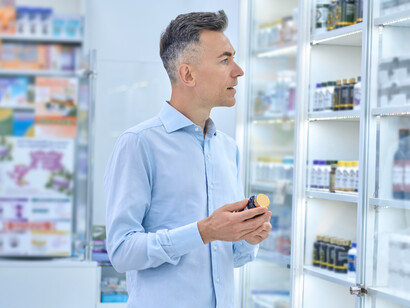
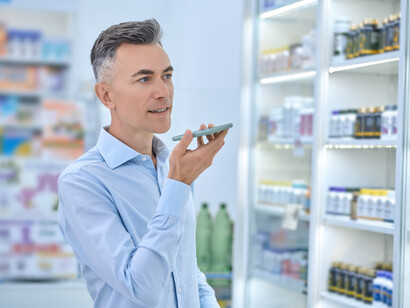
Pharmacies are the primary distribution channel, selling about 78% of food supplement store brands. This pharmacy-based model offers professional guidance and builds consumer trust in product quality and safety. As mental wellness becomes more mainstream, distribution is expanding into retail stores and e-commerce platforms.
Professional recommendations remain valuable. Pharmacists help consumers navigate the growing complexity of stress-relief ingredients and choose combinations suited to their individual needs.
Conclusion
The Italian market for stress-reducing foods and supplements reflects a clear evolution in consumer priorities. With 28% of Italians reporting mental health struggles and 73% using supplements at least once a year, demand for effective mental wellness solutions continues to grow. The €4.5 billion supplement market increasingly features products designed to address stress, anxiety, and sleep quality through ingredients such as ashwagandha, L-theanine, and magnesium. Success stories like Yakult 1000 demonstrate that consumers will embrace functional foods when they deliver real, perceivable benefits. With Italy importing 15,000 tonnes of medicinal and aromatic plants every year and showing steady growth, the infrastructure for innovation is strong. The key challenge is to translate supplement success into everyday foods that satisfy Italian standards for taste while providing meaningful stress-reducing functionality. For a culture that has always recognized the connection between food and well-being, this shift represents an evolution that combines traditional wisdom with modern science.