English
 Español
 Français
 Deutsch
 Italiano
 Português
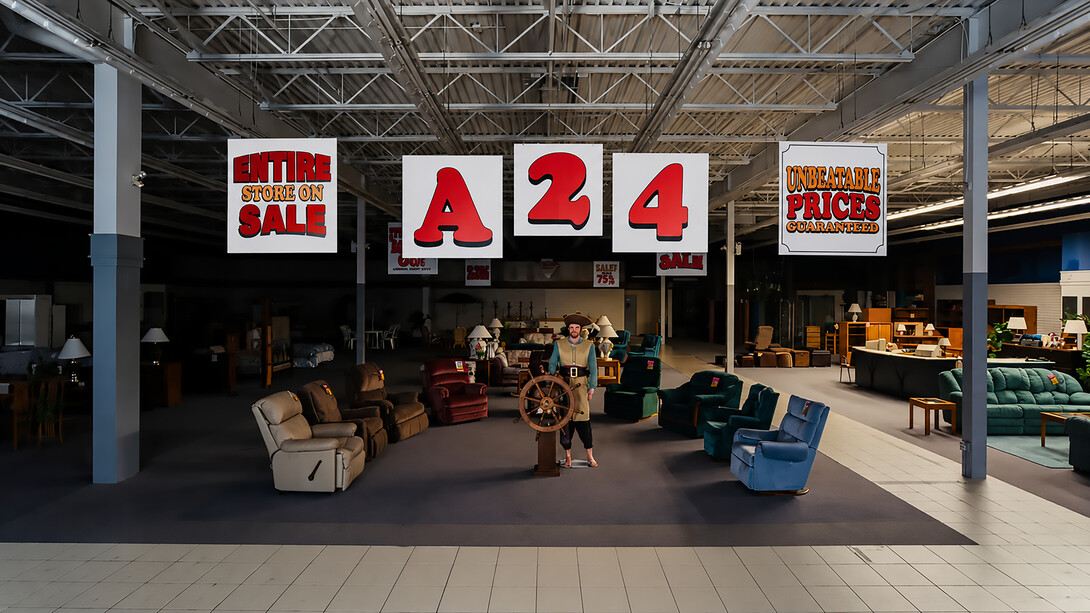
Have you ever had the feeling that you have been somewhere before, though you know for a fact you have not been there?
The feeling is often so intense that it can seem as though you have existed in this space in a past life. The location feels out of touch with our physical reality yet remains tied to us by an invisible thread, as if to something deeper within the psyche. There must be an explanation for why this strange feeling occurs.
This uncanny, déjà vu-reminiscent experience is hard to describe. It is a mesmerizingly human feeling that is only slightly comparable to when our consciousness breaches unconsciousness, and we begin to dream.
It separates us from our everyday reality and immerses us in a fantastical dream world that our minds create when our consciousness shuts off. The familiar turns foreign, and the foreign familiar.
Is our brain just trying to mess with us, or does the cause of this feeling lie deep within our psyche?
Have I been here before?
This disquieting phenomenon inspired the story attached to a viral photo, which appeared on an imageboard website in 2012. The photo is of an empty office building, enclosed by yellow walls, illuminated by dull fluorescent lighting, and covered with a drab, damp carpet, void of furniture. The image can be seen below.
The viral image that inspired the concept of the Backrooms, posted on image board website 4chan.
Thousands commented on the unsettling familiarity and the instinctive fight-or-flight response triggered by the space’s eerie vacancy. Yet rather than turning away, viewers found themselves drawn further into its uncanny atmosphere.
An anonymous interpretation of the image’s backstory was subsequently published and spread like wildfire across online storyboards, transforming this collective sense of unease and nonsensical familiarity into the expansive fictional horror universe known as “the Backrooms.”
The fluorescent lighting is reminiscent of spaces often associated with dullness, anxiety, melancholy, and mundanity. This alone can elicit uncomfortable feelings because of the associations that come with similar spaces: work, school, and doctors’ offices.
Though there is nothing necessarily threatening about the room, that is exactly what allows our imaginations to conjure what may exist beyond the image, and if the hallways ever have an end.
The Backrooms Mythos
This fascination with liminal spaces and nostalgia found a home in the early days of YouTube, where creators began exploring similar concepts through online horror storytelling. These works helped popularize the horror subgenre known as "creepypasta"—fictional tales and urban legends shared across the internet that captured the imaginations of a generation and continue to shape the horror genre today.
The brain behind the universe’s most widely recognized visual interpretation of the Backrooms was 16-year-old Kane Parsons, an enthusiastic young filmmaker who broke the internet with his expansion of the mythos.
Through a series of short films, he translated the abstract, internet-born horror into a tangible cinematic world, bringing its endless fluorescent corridors and oppressive emptiness to life. His work not only amplified the reach of the original concept but also helped solidify the Backrooms as a defining example of collaborative, internet-driven storytelling.
The first episode in the series, titled “The Backrooms (Found Footage)," was released on January 7th, 2022, on Parsons’ channel, Kane Pixels. The narrative frames the discovery of the Backrooms, set in the late 1980s to 1990s, lending the story a nostalgic, retro aesthetic. This temporal setting evokes an eerie sense of architectural familiarity while also drawing subtle associations with the Cold War era and the broader anxieties surrounding rapid technological and nuclear development.
It features the first-person point of view of a man who seemingly just falls through the ground and ends up in the backrooms. He is completely alone, perplexed by the never-ending maze of yellow walls and the lull of the buzzing fluorescents. This unique visual style became a defining trademark with the concept of the Backrooms, putting the viewer in the shoes of the character, simulating a similar experience to playing a first-person-POV video game.
Is the movie out of touch with the original idea of the Backrooms mythos, or is it meant to be developed?
Multi-billion-dollar film production company A24 approached Kane Parsons to expand the universe into a feature film. He is now the youngest film director to have directed under the company’s name, and the Backrooms movie is now (at the time I am writing this) the highest-grossing A24 film ever.
Parson’s feature-film version centers on how the reflections of our deepest inner demons, fears, and the complex map of our psyche reveal themselves in the Backrooms, emphasizing the concept’s psychological horror elements while also giving the film a necessary plot line.
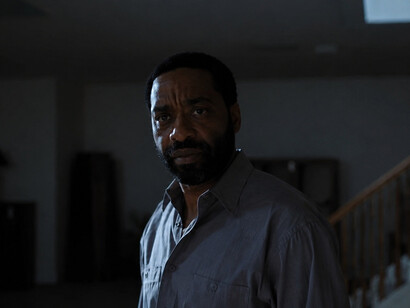
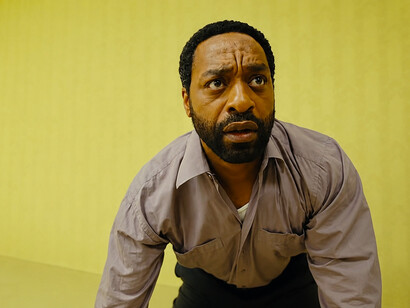
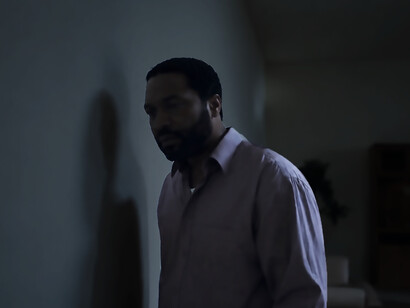
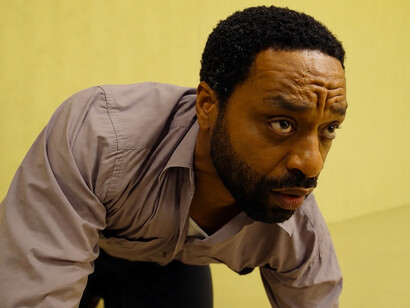
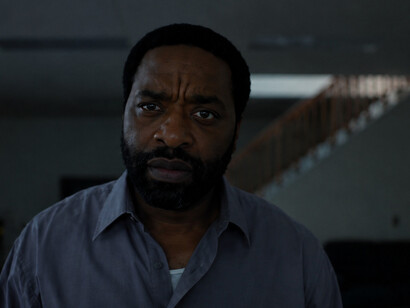
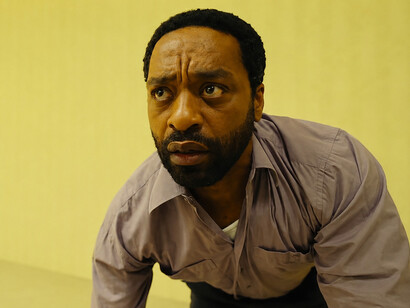
The film follows the discovery of the Backrooms by a struggling furniture store owner in the 1990s Midwestern United States. With his employees and therapist caught in the crossfire, the Backrooms continue to manipulate their maze of horrors to take the form of their worst fears and warped traumas that alter the course of their investigation and threaten their lives.
Since the release of the movie, an intense debate across social media platforms has opened the can of worms about the true meaning of the Backrooms. The debate is quite divided between audiences that appreciated the psychological attribution and those who yearned for a feature-length version with the aesthetic of the short film series. With a concept so elusive, it is nearly impossible to find exact answers—so, are all fan theories actually correct?
As opposed to the detached purgatory the short films portray the Backrooms as, the film explores the liminal space as a reactionary entity that changes depending on who enters it, hence requiring heavy characterization of the protagonists.
A popular critique (and one that I also share) is that the plot development took up too much of the film, with not enough time spent regurgitating the aesthetic and excitement that comes with the exploration of the Backrooms, as we saw in the short film series. I probably also feel like this because I did watch the short film series prior to seeing the film, whereas some viewers may be exposed to the Backrooms via this outlet for the first time.
In my opinion, this plot arc was a cliché and almost too obvious, which took away from the shock factor and eeriness of the space. When the “monster” made its appearance, I just rolled my eyes.
The flaw in the intense plot development was that it took away from the eeriness of the Backrooms, which is rooted in the fact that they are devoid of a specific meaning. It is left for the viewer to figure out via sharp cliff-hangers and sudden directional changes.
My interpretations and critiques
To me, the Backrooms are solely about the terror of the unknown and are a medium to allow the viewer to lean into the eerie, déjà vu-like feeling I mentioned at the beginning of this piece.
Some viewers watch horror/thriller films because they enjoy the feeling of a jump-scare, etc., and similarly, people immerse themselves in the Backrooms mythos because they are thrilled with the challenge of uncanniness.
The Backrooms are a physical depiction of the deepest parts of our being that we do not have the capacity to make sense of, and to some, this idea is enticing.
It is kind of like when you wake up from a dream that was so surreal you feel out of touch with reality, questioning if you woke up in your bed or are floating in a different dimension. A dream that incorporated a bunch of random details that make no sense when put together but for some reason made perfect sense in your unconscious state.
Or like a typical haunted house, except when you enter a typical one, you are expected to be scared by predictable creatures, clowns, and zombies. The backrooms, however, reveal familiar objects: a chair, a staircase, a ladder, and a piece of rope. Their meaning is familiar, yet incomprehensible and inconsistent, which makes it all the more terrifying because we do not have the wherewithal as humans to touch such abstract ideas or grasp the potential of a metaphysical explanation.
This element, which was used as the basis of the short film series (that of integrating everyday objects and ideas that form the mundane of the human experience), was integrated into the film, which I appreciated most in the effort to maintain continuity from the original short films. The portrayal of the Backrooms in the film was also spot on, and I enjoyed the visuals.
The Backrooms feature film is kickstarting a new type of horror genre. One that prioritizes the eerie, uncanny, consistently fearful feeling you get from watching it, which is almost more shocking than the occasional jumpscare. For this reason, I am looking forward to seeing how the Backrooms universe is developed and how it inspires young filmmakers and horror buffs to keep creating.