English
 Español
 Français
 Deutsch
 Italiano
 Português
For decades, the deal was simple. Characters suffered. Audiences watched.
The detective chased the killer. The astronauts drifted through space. The survivors fought zombies. We sat safely on the couch, occasionally eating chips while fictional people experienced the worst days of their lives. Then something shifted.
Somewhere between streaming platforms, video games, escape rooms, and the collective psychological damage of social media, watching stopped being enough. Audiences no longer wanted to observe stories. They wanted to enter them.
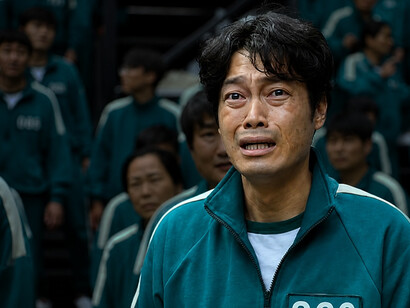
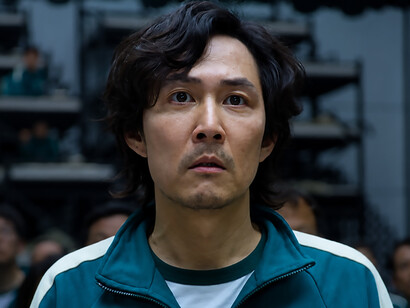
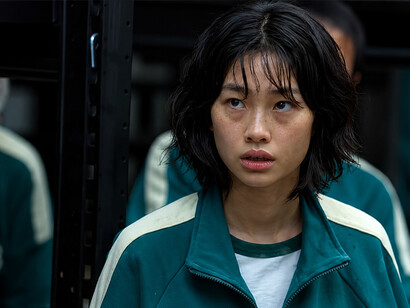
And perhaps no example captures this transformation better than Squid Game. A television series about desperate people risking their lives in a deadly competition became one of the biggest shows in the world. Then, almost immediately, it became a real competition show. The satire transformed into a product. The warning became a business model.
Which raises a slightly uncomfortable question. If a story is designed to criticize spectacle, what happens when the audience asks to participate in the spectacle themselves?
The day satire became a signup form
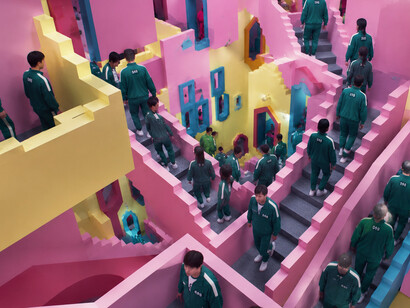
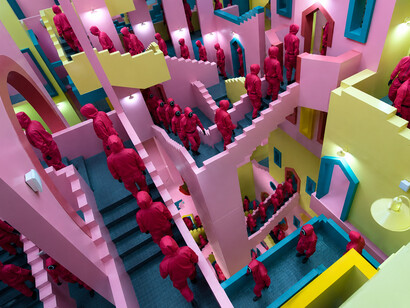
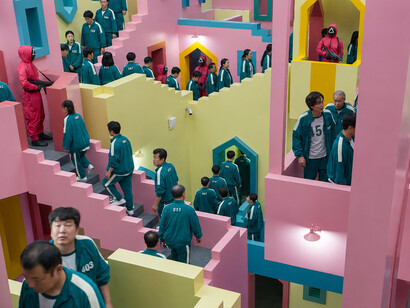
When Squid Game first appeared on Netflix, its appeal seemed obvious. The games were clever. The visuals were striking. The tension was relentless. But beneath the giant piggy bank and the pastel staircases sat a fairly blunt message: capitalism turns human desperation into entertainment.
People compete because they need money. Powerful observers watch from a distance. The audience becomes complicit simply by enjoying the show.
Then Netflix announced Squid Game: The Challenge, a real competition series inspired by the fictional one. Nobody died, obviously. The giant doll remained mostly non-lethal, but the irony was difficult to ignore.
A show criticizing entertainment built on competition became entertainment built on competition. The fictional VIPs were replaced by millions of subscribers. The audience didn't reject the premise; they applied it instead.
We've been training for this for years
As strange as Squid Game: The Challenge feels, it didn't appear from nowhere. Modern entertainment has been moving toward participation for decades.
Reality television was probably the first warning sign. Survivor turned ordinary people into contestants. Big Brother turned everyday life into content. Talent competitions transformed private ambitions into public spectacles.
Then social media arrived and quietly removed the distinction altogether. Suddenly everyone was broadcasting. Everyone was performing. Everyone was managing their own miniature audience.
Video games pushed the shift even further. Detroit: Become Human turned moral choices into branching narratives. Until Dawn transformed horror into a collective exercise in bad decision-making. Baldur's Gate 3 convinced millions of players that emotional attachment becomes significantly stronger when you're personally responsible for the disaster.
Once you've shaped a story yourself, passive observation starts feeling strangely incomplete.
The question stops being "What happens next?" It becomes "What would I do?" And eventually, "Can I try?"
The rise of experiential storytelling
This desire has spread far beyond games. Immersive theater productions like Sleep No More transformed audiences into wandering participants. Escape rooms exploded across cities worldwide. Interactive attractions increasingly promise not just entertainment but experience.
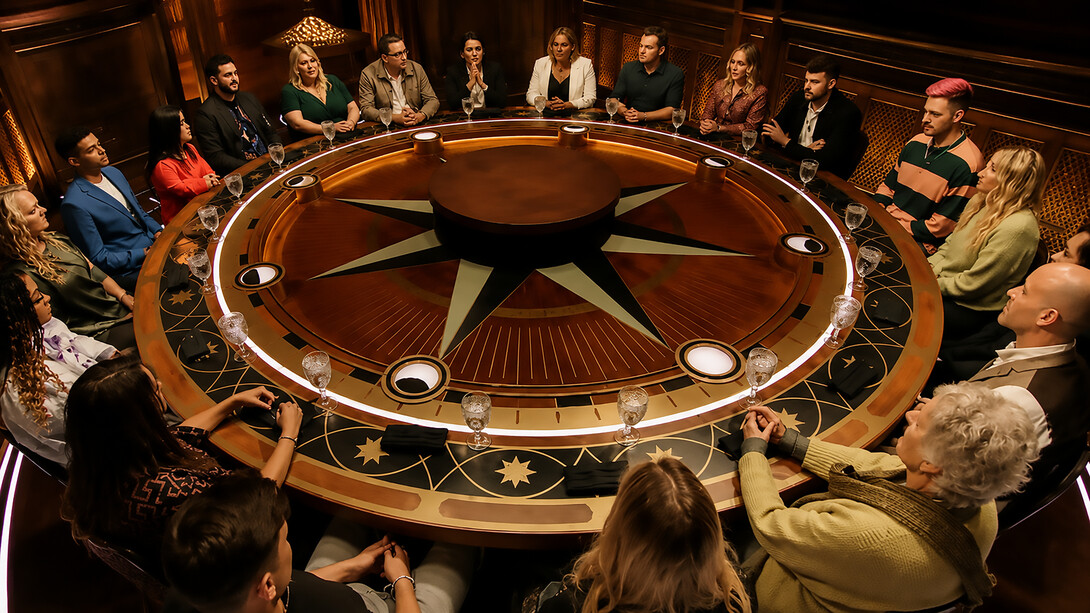
Even traditional reality television has shifted. Shows like The Traitors aren't simply competitions. They're social experiments wrapped in entertainment packaging.
The audience isn't watching people complete challenges. The audience are imagining themselves completing them. Who would they trust? Who would they betray? How long before they start lying?
Modern entertainment increasingly sells participation fantasies rather than narratives. The story becomes secondary. The experience becomes the product.
Everyone wants to be the main character
Part of this shift comes from technology. A larger part comes from culture. Social media spent years teaching people to see themselves as protagonists.
Your life isn't just your life anymore. It's content. It's a personal brand. It's a curated narrative told through photos, videos, and increasingly desperate attempts to look spontaneous.
Being an observer feels passive. Being a participant feels important. Competitions show understanding of this instinct perfectly.
Winning money matters. Being seen matters more. Reality television figured out something social media already knew: most people don't dream about being rich nearly as often as they dream about being noticed.
The fantasy isn't really about survival. It's about significance. Nobody watches The Challenge and imagines being contestant number 184. Everyone imagines being the winner. Or at the very least, the contestant who gets a compelling edit and several reaction GIFs.
Agency is the new escapism
Older entertainment offered escape. We went to the movies to forget our problems for two hours. We watched television to relax. We disappeared into somebody else's story for a while and then returned to our own lives.
Modern entertainment increasingly offers something different: control. Not real control, obviously. Simulated control. You can't influence interest rates. You can't influence global politics. Most people can't afford housing where they grew up. Half the time, customer support won't even let you influence your own subscription settings.
But in a game, you can make the decision. In a competition show, you can win. In an escape room, you can solve the puzzle. In an immersive experience, you become the protagonist.
Participation culture exploded partly because control feels increasingly scarce elsewhere. Watching someone else make decisions is entertaining. Making them yourself feels meaningful.
Even if the choice exists inside a carefully designed illusion.
Maybe that's why audiences keep gravitating toward experiences rather than stories. Agency has become a form of escapism. And right now, it may be the most attractive fantasy on the market.
Of course, passive storytelling isn't disappearing. Nobody is turning The Last of Us into an escape room yet, and perhaps that's for the best. Some stories still work precisely because we can't interfere with them.
The ethics get weird very quickly
This is where the trend becomes difficult to untangle. Because many of the most successful modern competition formats are built around suffering. Safe suffering. Televised suffering. Monetized suffering.
Shows like The Traitors, Physical: 100, Beast Games, and Squid Game: The Challenge package stress, humiliation, isolation, betrayal, and exhaustion as entertainment.
Nobody is actually dying. Nobody is being forced to participate. But the emotional architecture remains surprisingly familiar.
The formula is simple enough that nobody bothers hiding it anymore. Put people under pressure. Film the pressure. Edit the pressure. Turn the pressure into content.
Everybody wins. The platform gets engagement. The producers get ratings. The contestants get visibility. The audience gets entertainment. Which sounds suspiciously efficient for something that is technically supposed to be fun.
The formula works because audiences enjoy watching people pushed beyond their comfort zones. The contestants agree to it. The producers design it. The viewers reward it. Everyone benefits. Which is exactly what makes the whole thing slightly uncomfortable.
Take Beast Games. The scale is absurd. Massive cash prizes. Elaborate challenges. Thousands of contestants competing for life-changing money. It feels less like traditional television and more like a social experiment conducted by the internet itself.
The participants aren't victims. They're volunteers. That's the crucial difference. And also, perhaps, the most unsettling one.
The original Squid Game imagined a world where people entered impossible competitions because they were trapped by debt. Reality television looked at that premise and responded, "What if we added sponsorships?"
The original Squid Game imagined a world where desperate people entered deadly competitions because they had no other choice. Reality television discovered something else.
Many people are willing to do it without the deadly part. All you need is enough money, enough visibility, and a camera. The question is no longer whether entertainment can turn pressure into spectacle. We already know it can.
The question is where audiences stop seeing the difference between the satire and the product.
Why simulated danger feels so good
Of course, people don't actually want suffering. They want controlled suffering. There's a difference.
The same reason people enjoy roller coasters explains much of modern entertainment. The danger feels real enough to create excitement. The safety feels real enough to remain enjoyable. Reality competitions operate according to the same principle.
So do horror attractions. So do escape rooms. So do survival games.
Participants experience fear, pressure, uncertainty, and risk, but only within carefully designed boundaries. In a world that often feels genuinely unstable, simulated danger becomes oddly comforting. At least somebody wrote the rules. Which is more than many people can say about the actual economy.
The audience has entered the arena
Perhaps that's the biggest shift. Stories used to create distance. Now they increasingly erase it.
The line between viewer and participant grows thinner every year. Fiction becomes reality television. Reality television borrows from games. Games borrow from cinema. Cinema becomes interactive. Everyone is chasing the same thing: involvement instead of attention or observation.
The original Squid Game asked a disturbing question: How much suffering are people willing to watch for entertainment?
A few years later, the industry discovered a second question. How much suffering are people willing to volunteer for?
The answer appears to be "quite a lot," provided there's prize money, a good camera angle, and a chance to become the protagonist for a little while.
We used to sit outside the arena and watch. Now entertainment keeps opening the gates, and audiences keep walking in. Not because they're being forced to, but because somewhere along the way, participation started feeling more satisfying than observation.
And if modern culture has a defining fantasy, it may not be power, wealth, or even happiness. It might simply be the belief that this time, we're not watching the game. We're finally in it.