English
 Español
 Français
 Deutsch
 Italiano
 Português
Introduction and early works
Ari Aster has emerged as one of the most provocative and distinct voices in contemporary cinema. With a unique psychological take on horror, a fascination with generational trauma, and a knack for the surreal, his filmography walks a fine line between operatic sincerity and nightmarish absurdity.
Before becoming a household name, Aster built his reputation through a string of unsettling short films. Chief among them is The Strange Thing About the Johnsons (2011), a taboo-shattering family drama that shocked audiences with its inverted power dynamics and fearless depiction of abuse. From the jump, Aster made it clear that he wasn’t interested in cheap thrills, but in emotional violation—unafraid to confront subjects most wouldn’t touch. It’s a film that still circulates online for its shock value, but beneath that lies a finely calibrated control of tone, pacing, and dread.
His other early work—most notably Munchausen (2013) and Basically (2014), both starring Rachel Brosnahan—further explore his versatility and obsession with emotional breakdown. Munchausen is a silent, hyper-stylized short told through candy-colored imagery and commercial aesthetics, chronicling an overbearing mother’s grief after her son leaves for college. Basically, in contrast, is a satirical monologue piece, giving Brosnahan the floor as a narcissistic aspiring actress who unravels in real time. These shorts showcase Aster’s tonal precision, even at an amateur level. They highlight his uncanny ability to move effortlessly between humor and horror, melodrama and menace.
Across these works, recurring themes begin to take shape—familial dysfunction, buried shame, psychological repression, and the grotesquerie lurking beneath polished suburban surfaces. In retrospect, they read like miniature blueprints for what would become his feature-length trademarks. Even in ten to fifteen minutes, Aster was already pushing his characters (and audiences) to psychological extremes.
Hereditary (2018)
When Hereditary premiered at Sundance in 2018, it instantly marked Aster as a bold new auteur in American cinema. Marketed as “the scariest film in years,” it delivered on that promise with relentless dread. But beneath its terrifying surface, Hereditary also showcased Aster’s rare ability to merge genre staples with emotional complexity, using horror as a vehicle to explore themes of grief, familial guilt, and inherited trauma.
Watching it for the first time as a 17-year-old, I was overwhelmed—terrified, certainly, but also confused about how deep I was supposed to go. Was it really all about generational trauma, or was I just looking superficially? Looking back now, it’s clear to me that Aster was deliberately layering meaning. Collette’s portrayal of a mother unraveling is central not just to the narrative, but to Aster’s ongoing interest in maternal figures as both victims and sources of horror. The family dynamic is poisoned from the start, and the supernatural elements—Paimon, the cult, the séance—only heighten the sense that these characters were doomed by blood long before anything paranormal arrived.
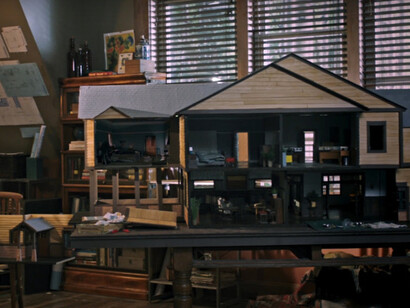
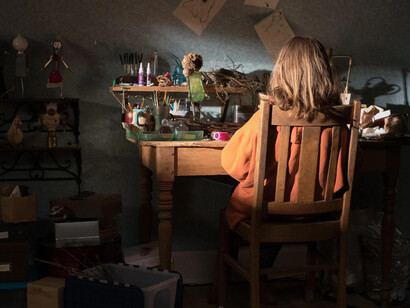
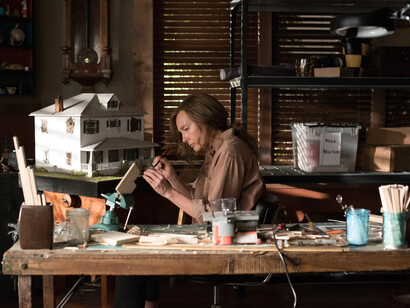
The sound design and camerawork further work to unsettle the viewer. The infamous clicking noise, the lingering wide shots, the dollhouse aesthetics—they build a suffocating atmosphere where grief is inescapable and madness is, well… hereditary. It’s tempting to say Aster simply finds cults interesting (which he does), but Hereditary uses the cult not as a twist, but as a metaphor for fate, legacy, and how little control we may have over our own suffering. A film that is personal, mythic, and inexorable – the scariest thing in Hereditary isn’t the demon, but the notion that some pain is passed down, baked into the walls, waiting until it’s our turn to suffer.
Midsommar (2019)
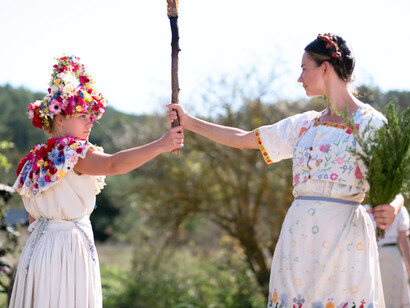
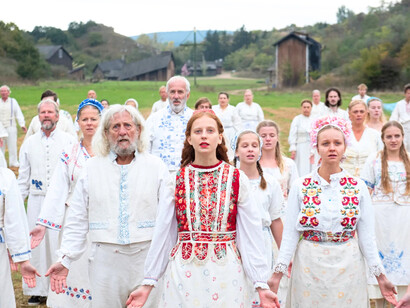
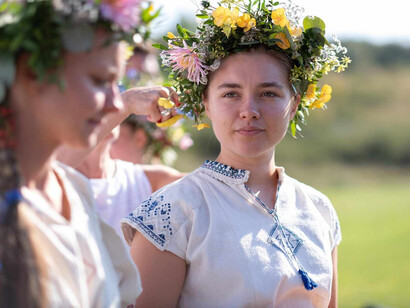
While Hereditary cloaked itself in shadows and claustrophobic interiors, Midsommar took the opposite route—placing its terror in blinding daylight and wide-open fields. Set within a remote Swedish commune during a pagan mid-summer festival, the film unfolds as a slow-motion breakup filtered through grief, ritual, and psychedelic pageantry. It's a sun-drenched descent into madness that manages to be both serene and stomach-turning.
I was fortunate enough to catch the director’s cut in theaters, and the experience stuck with me. This is horror by way of surrealism—floral, symmetrical, almost beautiful—where the visuals lull you into a false sense of calm before violence and despair come crashing in. Florence Pugh delivers a powerhouse performance as Dani, a woman hanging by a thread after a traumatic family loss. Her grief is layered and all-consuming, shaping the entire tone of the film. She doesn’t naively fall into the cult, but more so drifts, numb and desperate for meaning, toward anyone willing to acknowledge her pain.
The breakup narrative—between Dani and her emotionally distant boyfriend Christian—is the film’s true center, with Aster mining it for rich veins of existential dread and dark comedy. Their relationship doesn’t explode; it dissolves. The cult, meanwhile, offers a terrifying mirror: an empathic, organized, death-worshipping society that wraps its cruelty in compassion. The final act, in which Dani finds catharsis through violence and acceptance, is one of the most bizarrely triumphant endings in modern cinema.
Deeply strange and undeniably specific to Aster’s sensibilities, it solidified his status not just as a horror director, but a fiercely individual auteur. More than a sophomore effort, it was proof that Hereditary was no fluke, and Aster was here to stay.
Beau Is Afraid (2023)
If Hereditary and Midsommar established Aster as a master of the unnerving, Beau Is Afraid made it clear that he has no interest in being confined to horror… or coherence. A wildly divisive three-hour odyssey, the film is an anxiety epic, a surrealist nightmare, and a comedy of maternal terror unlike anything else in his filmography (or anyone’s for that matter). It also marks the moment he lost the wider public’s trust, gleefully alienating much of the audiences that embraced his earlier works.
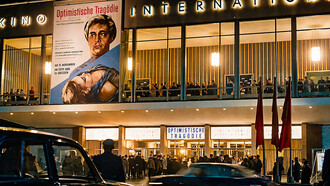
But, for those willing to go along for the ride, Beau Is Afraid is a dazzling, disorienting achievement. It follows Beau (Joaquin Phoenix), a man so paralyzed by guilt, fear, and Freudian baggage that even opening his apartment door feels like an act of bravery. What begins as a Kafkaesque journey across a dystopian city quickly spirals into episodic madness—rural horror, animated theater, a purgatorial attic. Aster throws everything at the wall to see what will stick: Greek tragedy, Oedipal terror, sitcom satire, and even Pink Floyd: The Wall–style fantasy interludes.
You can tell that this is the film Aster has always wanted to make. A shorter draft existed as a student film years before his breakout, and Beau Is Afraid feels like the result of years spent bottling up one's most unfiltered anxieties. It's excessive, emotionally chaotic, and formally audacious—crackhead cinema in the best possible sense.
Phoenix’s performance is deeply committed, capturing the impotent dread of a man infantilized by fear. He weaponizes Aster’s signature themes—maternal control, inherited guilt, the cruelty of the universe—while stripping away any pretense of realism. Every corner of the world is designed to punish or confuse Beau, and by the end, even the audience feels like a victim.
To some, Beau Is Afraid is indulgent nonsense. To others, a masterpiece of psychological expressionism. Either way, it cemented Aster’s identity as a filmmaker willing to follow his obsessions, even if it means leaving everyone else behind.
Eddington (2025) and Conclusion
Coming off the maximalist chaos of Beau, Eddington marks a shift towards restraint—not to be confused with simplicity. While still thematically rich and psychologically deranged, it is by far his most realistic film—though realism in Aster’s hands still means a world where dread and absurdity simmer beneath every social interaction.
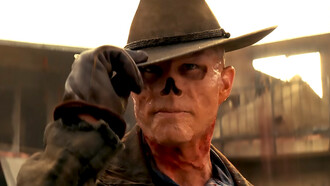
Set in small-town New Mexico, Eddington balances the manic energy of Beau with the stripped-down storytelling of his earlier works. Joaquin Phoenix gives another wild performance, putting on a trained voice stifled by his asthma and crippling indecision—a layered metaphor for our post-pandemic uncertainty. The town itself seems half-haunted and half-asleep, populated by people clinging to their last shreds of normalcy. In many ways, it is Aster’s most genuine attempt at “real horror”: no monsters or demons or cults, but the visceral terror of emotional ruin, societal disintegration, and internal collapse. If Beau Is Afraid was a personal exorcism, Eddington feels more like a reckoning—of our shared reality, and Aster’s own place in it.
Across just a handful of features, Ari Aster has already carved out a space unlike any of his peers. His films are divisive, challenging, often grotesque—but always deliberate. Whether grappling with trauma, grief, or the sheer absurdity of existence, he offers something rare in genre cinema: the ability to disturb, provoke, and enlighten all at once.
With Eddington, it seems he’s found a new middle ground—one that blends the emotional rawness of his early horror with the creative freedom of his more experimental work. Where he goes next is anyone’s guess, but if his career so far is any indication, it definitely won’t be boring.