English
 Español
 Français
 Deutsch
 Italiano
 Português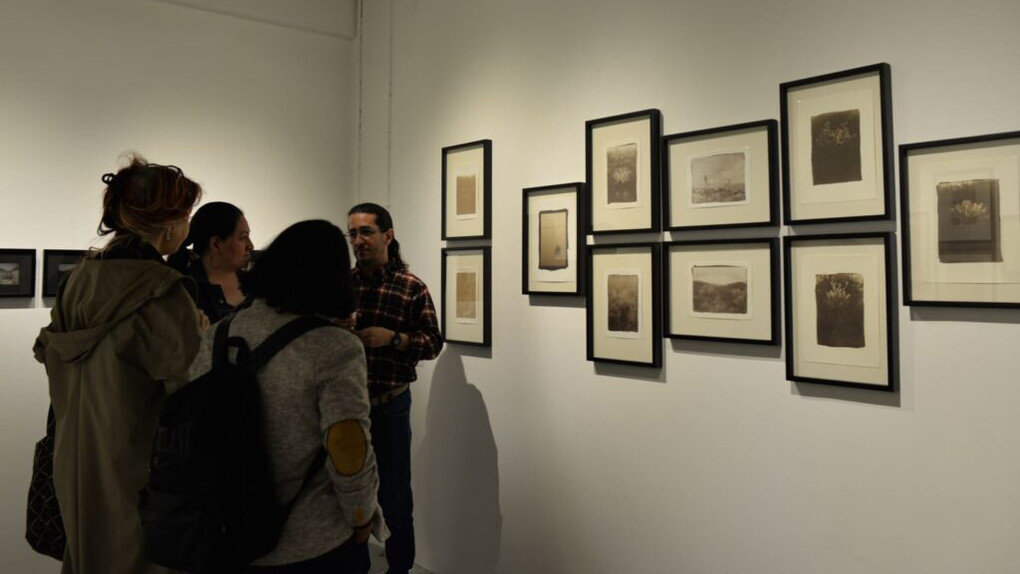
The way we perceive mountains and water differs depending on the type of being observing them. When looking at water, some beings see it as a necklace of jewels. This doesn't mean, however, that they see a necklace of jewels as water. So, how do we perceive what they consider water?
(Dōgen, Sutra of the mountains and waters)
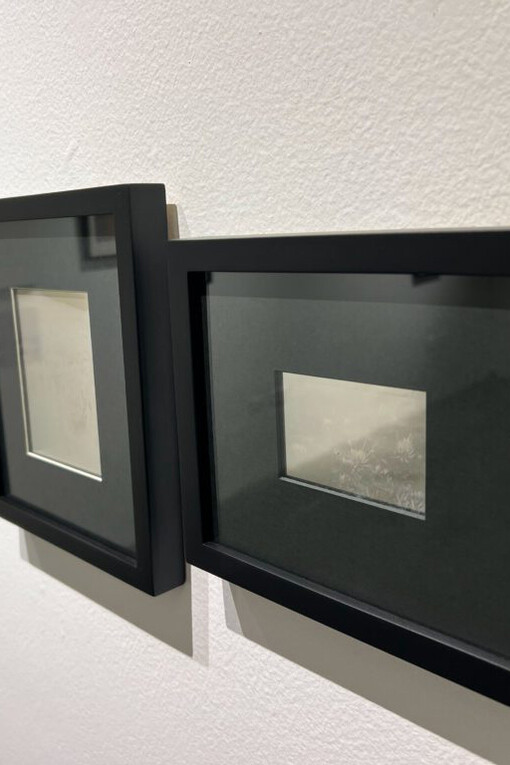
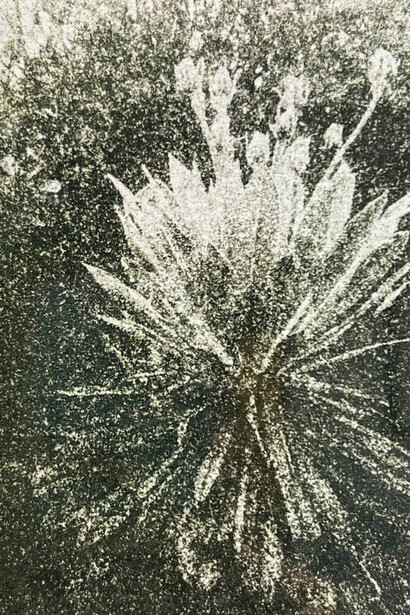
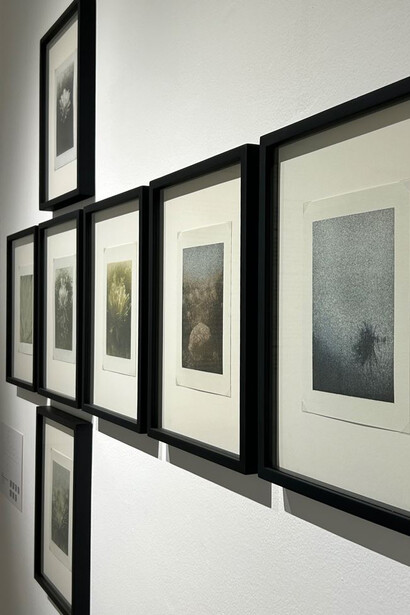
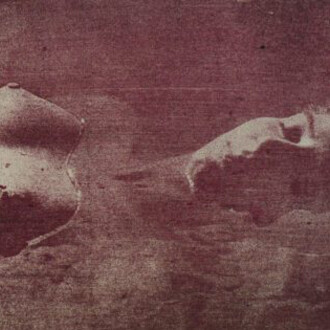
In the silence of these daguerreotypes, the sounds of the páramo can be heard: the birdsong, the vegetation swaying in the cold wind, the flowing water, the dampness of the mist. Contrary to popular belief, the páramo is never still or silent, says Camilo Sabogal. He shows this in his photographs, which capture the life of this ecosystem and its oscillation between stillness and movement. We see it in the bending stems, the branches bursting in all directions, the flowers drooping or opening upwards, the vibration of the velvety hairs of the frailejones in the mist, the flashes of light, and the ripples on the water. Even the smallest details of the landscape, of the life it contains, are captured on the silver mirrors of his daguerreotypes: the sunny and rainy days, the intensity of the wind, the scent of damp earth and moss. They seem to reveal even invisible things, the secrets of the moor, to anyone who approaches them with such attention that their eyelashes merge with the image.
When I asked Camilo if he was a Buddhist or just an accidental Buddhist, he replied that he had been on a couple of Vipassana meditation retreats. His works seem to bear much of this technique, whose name means “seeing things as they are,” which is usually practiced by spending several days in silence. I imagine him as a monk, climbing the mountain—his temple—to contemplate life with the same devotion with which he cares for his cat, Tos. Between the embrace of the mist and the roar of the mountain, he walks and takes photographs, moving among the plants that are already familiar to him and observing them. In that observation, he builds an intimacy by shortening the distance between himself and the landscape. The beings that inhabit it seem to return his gaze.
Camilo says that the act of contemplating the landscape while taking a photograph is also a kind of meditation, an invitation to be present, to look, and to perceive other dimensions of time. Being able to do so requires a patience only available to those willing to make an art of inefficiency and unafraid of frustration—conditions equally necessary for working with obsolete photographic techniques. Camilo does everything from scratch. He prepares the silver mirrors, carries the camera up the mountain path to the moor, waits through exposure times of more than an hour, returns with the uncertainty of what might have happened to the plates or the film, and plays with its possibilities for transformation in the darkroom. Experimentation in the darkroom is also a form of meditation. It involves contemplating the image, now on paper, isolated from the mountain, and seeing what it can become depending on the technique being tested. With each layer of chemicals and time, the image is transformed. The frailejones become mandalas, without ceasing to be frailejones.
In that desire to see things as they are, for what they are and could be, I see an act of love and compassion from someone who knows he is part of the world, of the mountains and the waters.
(Text by Paloma Nicolás)