English
 Español
 Français
 Deutsch
 Italiano
 Português
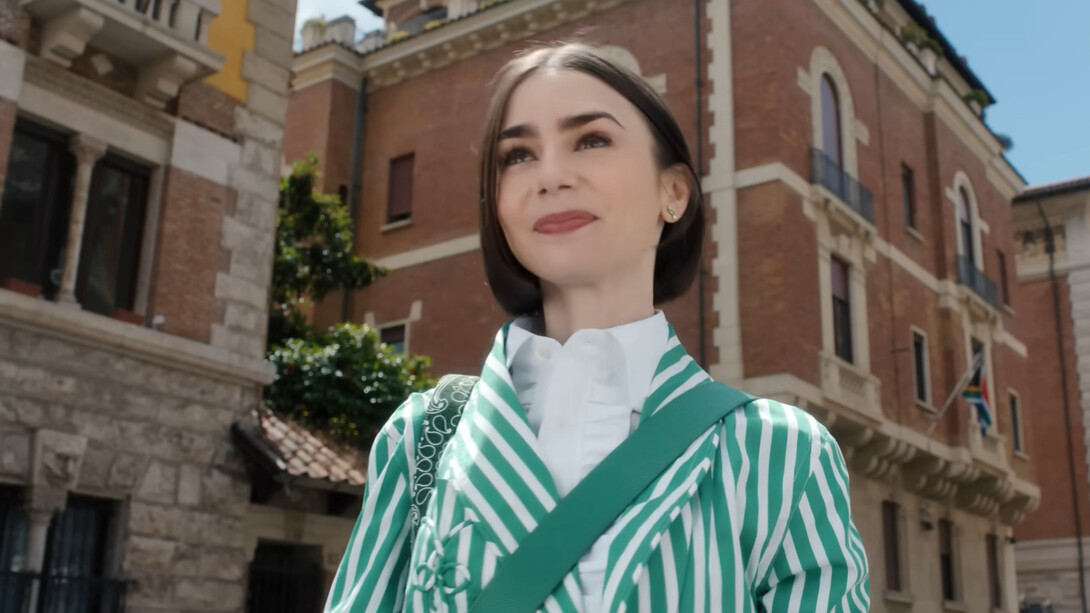
When Emily in Paris returned for Season 5, the show traded the Eiffel Tower for the Colosseum as Emily Cooper took charge of Agence Grateau’s brand-new office in Rome. This season follows Emily as she navigates a fresh culture, balancing a whirlwind romance with Marcello Muratori while attempting to manage his family's prestigious, high-end cashmere empire.
However, the international expansion is far from smooth. Emily quickly discovers that her fast-paced American marketing tricks fail when matched against deep-rooted European traditions, resulting in major campaign backfires and intense boardroom face-offs. This eventually guides her back to Paris with a sharper sense of professional maturity. Here are 10 core business and marketing lessons from the season, explained with simple concepts.
1. Adapt your business to local culture
Moving a business from Paris to Rome proves that Emily cannot just copy and paste her old marketing playbook into a new country. What appeals to a French audience might feel totally wrong or irrelevant to an Italian consumer. Brands must take the time to adapt their messaging, tone, and even product presentation to match local traditions and cultural norms. True localisation means changing how you speak to the community so that your brand feels like a familiar neighbour rather than a pushy competitor.
2. Prioritising quality over quantity
Antonia Muratori rejects Emily’s proposal to drive revenue growth by scaling up cashmere production. She understands that increasing manufacturing output would inevitably compromise product quality and dilute the brand’s core exclusivity.
3. Product diversification strategy
Emily presents a strategic proposal to Antonia Muratori to optimise revenue growth without scaling cashmere production volume or compromising the brand's premium quality. To achieve this, she introduces a diversification strategy that expands their core offering from high-end cashmere into the luxury fragrance sector.
4. The strategic value of networking
Sylvie Grateau’s long-time friend, Princess Gianna Grapezzi of Saturnia (affectionately known as Jane), hosts a welcoming party for Sylvie at her palace. This exclusive event serves as a high-value opportunity for Sylvie and her team to drive client acquisition by networking directly with the princess's high-profile connections. Furthermore, the gathering facilitates a pivotal introduction between Antonia Muratori and French premium perfumer Antoine Lambert, establishing the foundation for a strategic, cross-industry brand collaboration.
5. The importance of social media marketing
Social media is a powerful tool to connect old traditions with the modern world for family businesses like the Muratori cashmere brand. By using Instagram, Muratori can grow its small local market into a global audience. The best part is that they can do this without losing their unique identity and the true quality of their products.
This strategy also teaches us how important it is to balance big marketing goals with the brand's core values. Digital marketing is not just about becoming famous online; it is about telling visual stories and keeping customers loyal. A well-managed Instagram page helps a local brand build a strong community and turn online followers into real customers.
6. Always deliver value in every marketing campaign
The campaign for the L'Oréal Infallible lipstick proves that successful marketing is not just about selling a product but about sharing a deeper meaning. Through Emily’s creative ideas, this lipstick is shown as more than just a beauty tool. Instead, it serves as a symbol of friendship, strength, and confidence for women as they explore the streets of Paris.
The message of this campaign teaches us the importance of using emotional value to help the audience connect with a brand on a personal level. When customers see a meaningful story behind a long-lasting lipstick—like a friendship that lasts forever—the campaign turns into an inspiring message. This creates a strong, long-term emotional bond between the customers and the brand.
7. The importance of business collaborations
In addition to partnering with Antoine Lambert for the production of the Muratori fragrance line, Sylvie collaborated with renowned Italian director Giancarlo to spearhead their marketing campaign. This powerful collaboration drove immediate commercial success; the Muratori perfume became a huge success instantly right after it launched.
8. Always be agile and adaptive when unexpected events or changes occur
During the launch party for Marcello Muratori’s new luxury clothing brand at a palace in Venice, disaster struck. Just hours before important guests and fashion journalists arrived, seawater overflowed and flooded (Acqua Alta phenomenon) the entire ground floor of the venue. Decorations were ruined, items floated away, and the lights went out. Panicked that their new brand's reputation would be destroyed before it even started, Marcello and his family wanted to cancel the whole event.
Instead of giving up, Emily Cooper and her team quickly changed their plan and turned the flood into a unique runway on top of the water. While Emily made viral social media posts saying their clothes were as strong and resilient as the city of Venice, Sylvie convinced the guests that the water was actually part of a planned art show. Thanks to this fast thinking, the disaster turned into a huge success, proving that being able to adapt is much more important than sticking to a rigid plan.
9. Business journey has ups and downs, and an entrepreneur must be ready for both
As an entrepreneur, Sylvie Grateau has to face a hard truth. Because of various business problems and losing several clients, the Agence Grateau office in Rome ultimately has to close down. Sylvie, Emily, and the team then return to Paris to focus on taking care of their French clients, who had been neglected for a long time.
10. Starting a new business is always full of challenges
Marcello Muratori and Nicolas de Léon left their family businesses to start their own company. Their journey was definitely not easy, and they faced many obstacles along the way. They ran into several big problems, such as Marcello being sued by his own mother over a trademark issue, a talented designer leaving their team, and having a very tight budget. In the end, Marcello even had to put together the clothes for his new brand by himself.
In conclusion, Emily in Paris season 5 proves that the journey of an entrepreneur and marketer is always full of challenges, sudden obstacles, and unexpected ups and downs. Whether you are trying to adapt your business to a new local culture, using social media to tell a meaningful story, or dealing with an unexpected disaster like a flooded venue, your success depends on being agile and adaptive. Ultimately, as Emily navigates these hurdles and gains professional maturity, the season reminds us that great marketing is not about chasing the loudest trend but about protecting your brand's heritage.