English
 Español
 Français
 Deutsch
 Italiano
 Português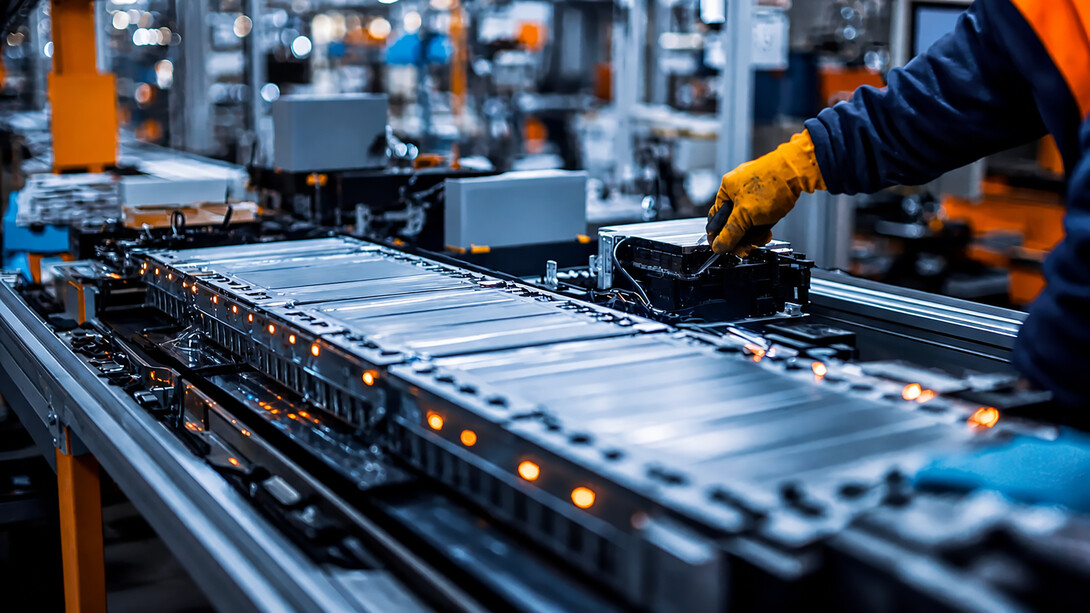
Politicians are constantly dealing with trade-offs and trying to find the appropriate balance between conflicting issues. Perhaps the most prominent and obvious example of a complex trade-off like this in the modern age is the difficulty of creating environmental regulation. Regulators need to balance the urge to protect the environment with the need for people to have jobs and economic growth.
In Europe, and my home country of France, this issue is particularly pronounced. People have a lot to say about the topic. It can often be polarising. Unfortunately, there are a lot of bad policy ideas floating around which have the potential to do harm. Following an article published by Alternatives Économiques1 in 2024, whose thinking had a substantial effect on the French public square, which highlights the shortcomings of the French justice system in dealing with environmental crime, it is necessary to reflect on how these issues could be addressed from a different angle.
Like many thinkers on this subject, the article emphasised the complexity of the law and the administrative shortcomings that hinder its effective enforcement. However, a liberal approach could provide new solutions by focusing on simplifying regulations and promoting individual responsibility through free competition and the protection of property rights. This critical analysis explores how a liberalised economic framework could not only strengthen the fight against these offences but also promote sustainable competitiveness in Europe.
The harmful effects of climate regulations on European industry
One of the most emblematic decisions of state interventionism is the ban on internal combustion engine vehicles in the EU, scheduled for 2035. This ban, which aims to accelerate the transition to electric vehicles, penalises European manufacturers such as Volkswagen, which is considering closing factories in Germany to focus on other more attractive markets, notably China.
With Chinese and American companies already dominating the electric vehicle market, Europe, with its heavy regulation, risks putting itself out of the game. By artificially promoting a specific technology, European authorities are distorting competition and harming industries that could still innovate in alternative technologies.
Rather than legislating to ban a technology, the EU should let the market decide. If electric vehicles are truly more competitive, they will prevail on their own in a free market, without the need for bans or subsidies. Regulation, which should ensure respect for private property and the natural order, should be limited to setting clear objectives, leaving companies free to innovate and choose the most effective technologies.
Subsidies and market distortions
At the same time, the European Union is pouring billions of euros into subsidies to support green innovation, particularly in the production of electric batteries and solar panels. Although this may seem virtuous, these subsidies create significant distortions in the market. Established companies capture most of these funds, preventing new players from emerging and distorting competition.
Subsidies, in addition to increasing the tax burden, often become a means for the state to choose ‘winners’ in the economy, which modern interventionists and socialists call ‘the strategic state’. This practice hinders real innovation, as it encourages companies to focus on obtaining public aid rather than improving their competitiveness.
A reduction in subsidies and compulsory levies is necessary to unlock the innovation potential of businesses. By promoting a light tax framework and removing market distortions, the EU would enable all businesses, large and small, to compete on a level playing field, thereby encouraging healthy competition and technological progress.
CBAM: protectionism in disguise
The EU's Carbon Border Adjustment Mechanism (CBAM), which imposes a carbon tax on imports of products from less regulated countries, is presented as a way of protecting European industry from unfair trade practices. However, in reality, it is a form of protectionism that risks damaging international trade and provoking retaliation from trading powers such as India and China.
The CBAM runs counter to the principles of free trade by imposing barriers to imports and increasing costs for European consumers. Worse still, it could encourage other countries to introduce their own punitive taxes, thus initiating a trade war that would be damaging to all parties.
Rather than seeking to artificially protect its industries through taxes and barriers, the EU should promote free trade by reducing customs duties and taxes. Free trade is an engine of growth that benefits all economic actors. By allowing European companies to compete on the world stage, they will be forced to innovate to remain competitive, resulting in cleaner and more efficient technologies.
The European Union's current climate policies, although well-intentioned, are counterproductive. By imposing strict regulations, distributing massive subsidies and raising protectionist barriers, the EU is undermining the competitiveness of its industries and distorting market mechanisms. A liberal approach, based on reducing state intervention, promoting free trade and protecting property rights, would make it possible to reconcile economic prosperity with environmental protection. The solution lies in liberalising markets, reducing tax burdens and promoting open and undistorted competition. This is how Europe can both preserve its industry and meet global environmental challenges.
This article was written by Alexis Sémanne. Alexis is a French writer on policy, as well as a lecturer and policy analyst.
References
1 Justice Infractions environnementales : mais que fait la police ?