English
 Español
 Français
 Deutsch
 Italiano
 Português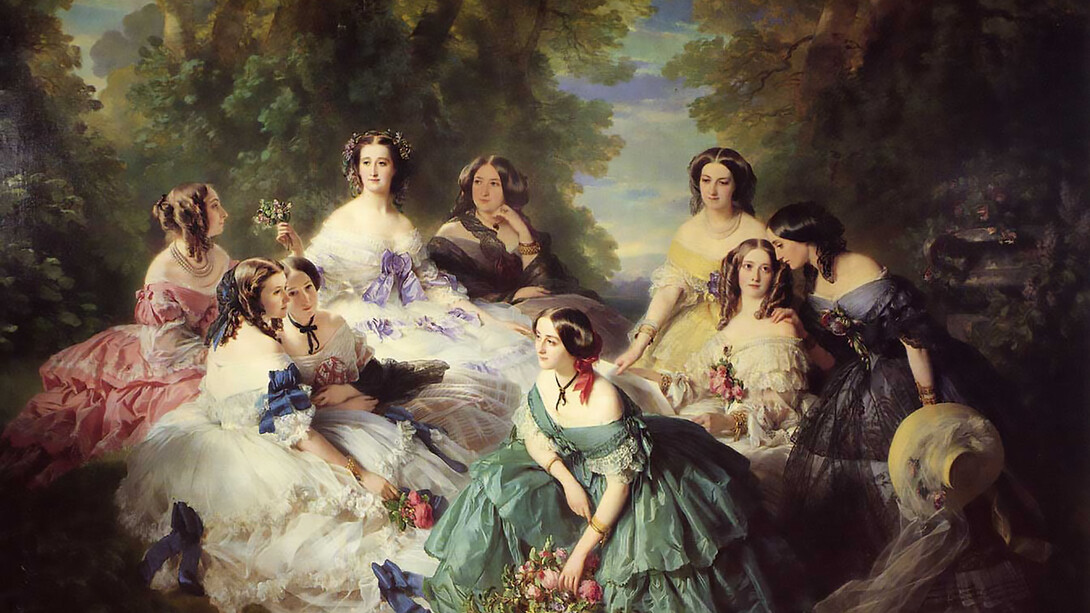
Fashion is far more than clothing; it is a powerful form of communication that reflects culture, identity, and historical change. What people wear can reveal their social status, beliefs, profession, and even their mood. Over time, fashion has evolved significantly, shaped by economic conditions, technological advances, and cultural movements. By comparing fashion from the past with fashion today, it becomes clear that while styles change, the purpose of fashion as a form of expression remains constant.
Fashion in the past
In ancient times, clothing was primarily about practicality. People wore garments suited to their environment and daily activities. For example, in warm climates, lightweight fabrics such as linen were common, while colder regions required heavier materials like wool or fur. Clothing was often handmade, and styles were simple, with limited variation.
As civilisations grew more complex, fashion began to reflect social hierarchy. In many societies, laws even regulated what people could wear, ensuring that clothing clearly distinguished between classes. Wealthy individuals wore expensive fabrics such as silk, velvet, and fine cotton, often decorated with embroidery, jewels, or intricate patterns. Meanwhile, the lower classes wore plain and functional garments.
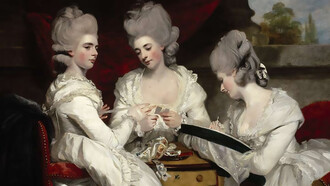
During the Renaissance period, fashion became more elaborate and artistic. Clothing featured detailed tailoring, bold colours, and luxurious materials. Both men and women wore structured garments that emphasised shape and design. Fashion during this time was not only about appearance but also about demonstrating wealth, power, and cultural sophistication.
Moving into the 19th and early 20th centuries, industrialisation transformed the fashion industry. The invention of sewing machines and the growth of textile factories made clothing more accessible. Ready-made garments became available, allowing more people to follow trends. However, fashion was still influenced by strict social norms, particularly regarding gender roles.
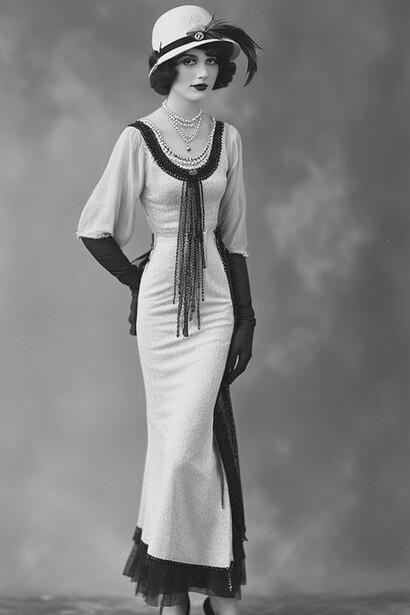
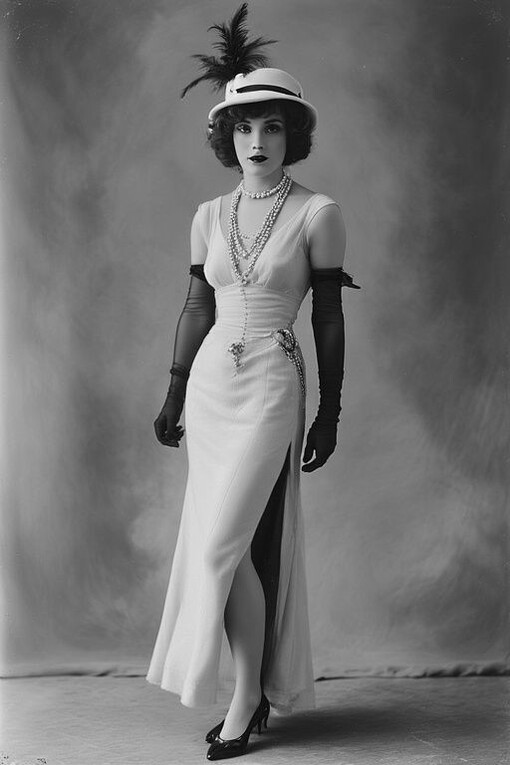
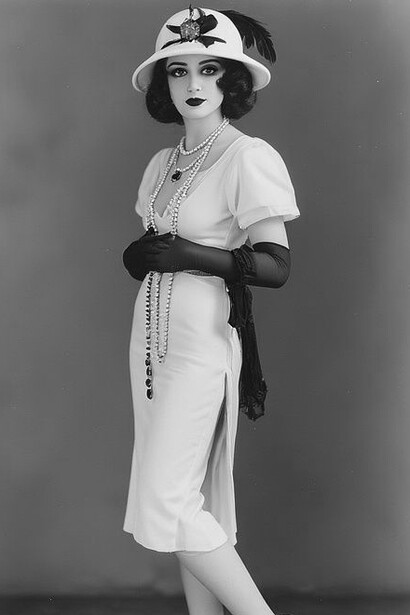
The 20th century brought rapid and dramatic changes. The 1920s introduced a more relaxed style, especially for women, who began wearing shorter dresses and less restrictive clothing. This shift reflected broader social changes, including increased independence and participation in public life.
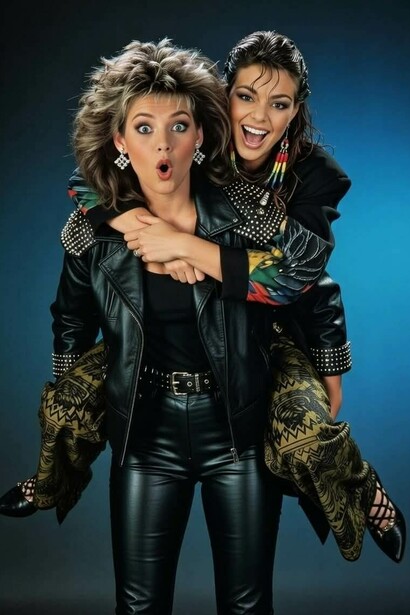
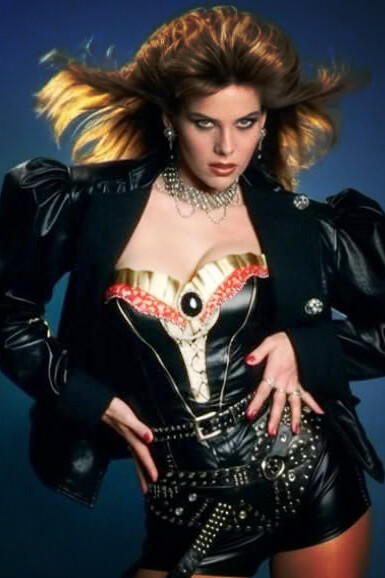
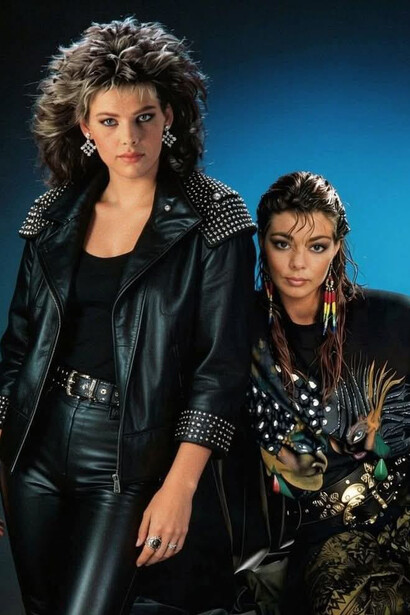
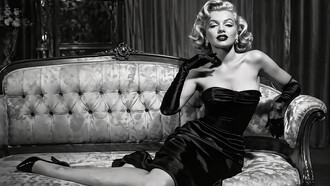
Each decade that followed had its own distinct style. The 1950s emphasised elegance and formality, with tailored suits and full skirts. The 1960s brought bold experimentation, with bright colours and unconventional designs that reflected youth culture and social change. The 1970s embraced individuality and comfort, while the 1980s were known for dramatic, oversized fashion and strong visual statements. By the 1990s, styles became more minimalistic and casual, influenced by music and popular culture.
Fashion today
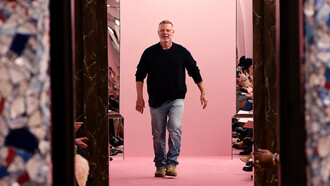
In the modern world, fashion is more diverse and accessible than ever before. There are no longer strict rules about what people should wear, and individuals are encouraged to express themselves freely. Fashion today includes a wide range of styles, from casual streetwear to high-end designer clothing.
One of the most noticeable features of modern fashion is its emphasis on comfort. Clothing such as hoodies, sneakers, and loose-fitting garments has become widely accepted in everyday life. This shift reflects changing lifestyles, where practicality and ease are often prioritised.
Technology has played a major role in shaping contemporary fashion. Social media platforms allow trends to spread instantly across the globe. Influencers, celebrities, and designers can share new styles with millions of people in seconds. As a result, fashion trends now change much faster than in the past.
Online shopping has also revolutionised the industry. Consumers can browse and purchase clothing from anywhere in the world, making fashion more accessible. At the same time, fast fashion brands produce affordable clothing at a rapid pace, allowing people to keep up with trends without spending large amounts of money.
However, this convenience has raised concerns about sustainability. The fast fashion industry can contribute to environmental damage and waste. In response, many people are turning toward more sustainable practices, such as buying second-hand clothing, supporting ethical brands, and recycling garments.
Another important aspect of modern fashion is the influence of global cultures. Traditional clothing styles from different regions are now shared worldwide and often incorporated into everyday fashion. This blending of cultures has created new trends and encouraged greater appreciation for diversity in design.
Key differences between then and now
The most significant difference between past and present fashion is the level of freedom individuals have in choosing what to wear. In the past, clothing was often determined by social class, occupation, and gender expectations. Today, those boundaries are much less defined, and people are free to experiment with different styles.
Another important difference is the speed at which fashion changes. In earlier periods, trends could last for many years. Today, trends can emerge and disappear within a single season due to the influence of digital media and global communication.
Fashion today is also more inclusive. There is greater recognition of different body types, cultures, and identities. Designers and brands are increasingly creating clothing that reflects a wide range of experiences and perspectives. This inclusivity has helped redefine beauty standards and challenge traditional ideas about appearance.
The cycle of fashion
Despite all the changes, fashion remains cyclical. Styles from previous decades often return in updated forms. Designers frequently draw inspiration from the past, reinterpreting old trends to suit modern tastes.
For example, vintage styles such as high-waisted jeans, oversized jackets, and retro prints have become popular again. This cycle shows that fashion is constantly evolving while still maintaining a connection to its history. It also highlights how creativity in fashion often comes from revisiting and reimagining earlier ideas.
Conclusion
Fashion has undergone a remarkable transformation over time. What began as a practical necessity and a marker of social status has become a powerful form of personal expression. While the past was defined by structure and rules, the present celebrates creativity, individuality, and diversity.
Even so, the influence of history remains strong. Trends continue to reappear, proving that fashion is not simply about change but also about reinvention. Ultimately, fashion reflects the world we live in—constantly evolving, yet always connected to its roots.