English
 Español
 Français
 Deutsch
 Italiano
 Português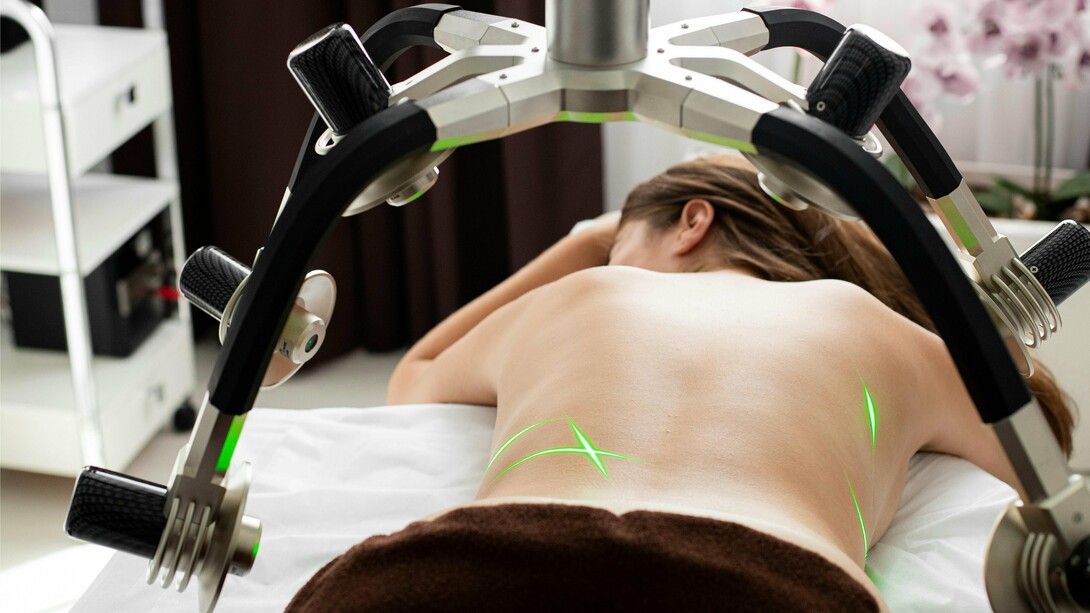
(This paper has been co-authored by Dr. Sabrina Tabraiz.)
The field of aesthetic medicine has undergone a transformation more profound than any superficial change it can produce. Over the past two decades, the discipline has decisively pivoted from an archetype of radical surgical alteration to one of subtle, minimally invasive enhancement. Highly dramatic results once associated with traditional full facelifts and extensive liposuction no longer represent the only standard of beauty. In their stead, a modern perspective has taken hold among both clients and clinicians, one that prioritizes subtle rejuvenation instead of radical change, favours procedures that fit easily into daily life rather than long recovery periods, and embraces carefully managed, minimal-risk techniques over major surgical operations.
This essay will explore the drivers, key modalities, and future directions of this minimally invasive revolution, underscoring the critical importance of evidence-based practice and ethical patient care in a rapidly expanding market.
The statistical landscape: quantifying a boom
The American Society of Plastic Surgeons reports that in 2022, more than 13 million minimally invasive cosmetic treatments were carried out in the United States. This figure represents a 19% increase since 2019, highlighting an accelerated adoption trend even amidst global pandemic disruptions.
To put these figures into perspective, liposuction was the most commonly performed surgical cosmetic operation in 2022, totalling around 325,000 cases. In comparison, the leading minimally invasive option, “neuromodulator injections” such as Botox or Dysport, was administered more than 8.7 million times. This means that for every single surgical liposuction performed, nearly 27 patients received neuromodulator injections.
This trend is underscored by findings from the Aesthetic Society, which noted that aesthetic procedures in the United States generated more than $8.5 billion in spending in 2022. A significant and steadily increasing share of this total came from non-surgical treatments. The growth is global.
A 2021 report by Grand View Research projected the worldwide medical aesthetics market to reach USD 25.9 billion by 2028, with non-surgical fat reduction and skin rejuvenation devices representing the fastest-growing segments. These statistics are not just numbers; they are a powerful testament to a growing and deeply entrenched trust in technologies that offer discernible results without the profound commitment, financial burden, and physical trauma of surgery.
The drivers of change: why patients choose less
Several interconnected factors are fuelling the mass migration toward minimally invasive options, with patient-centric benefits at the core.
1. The economics of time: drastically reduced downtime
The most compelling driver for many is the dramatic reduction in recovery time. A traditional surgical facelift (rhytidectomy) typically requires a recovery period of two to four weeks, with significant bruising, swelling, and activity restrictions often persisting for months. By comparison, treatments such as neuromodulator injections or hyaluronic acid fillers involve virtually no recovery period, enabling patients to return to their usual routines right away.
Even more intensive energy-based procedures, such as non-ablative fractional laser resurfacing for skin tightening, usually involve only a few days of social downtime (redness and swelling). This “lunchtime procedure” model aligns perfectly with modern lifestyles, where extended absence from work or social obligations is impractical.
2. Financial and risk accessibility
Although they still represent a considerable financial commitment, minimally invasive procedures tend to be more affordable and attainable than full surgical options. The average cost of a surgical facelift in the U.S. ranges from $8,000 to $15,000, not including anaesthesia, operating room facilities, or other related expenses. By comparison, neuromodulator treatments typically cost between $400 and $600 per session, while hyaluronic acid fillers usually fall in the $600 to $1,200 price range per syringe.
This lower financial barrier opens the door for a wider demographic to engage in aesthetic care. Additionally, minimally invasive options come with a far safer overall profile. Any surgical procedure inherently carries risks such as anaesthesia-related issues, infection, hematoma formation, and noticeable scarring. Although non-surgical treatments are not entirely without risk, the likelihood of severe complications is markedly lower. For example, a detailed analysis published in Plastic and Reconstructive Surgery found that serious adverse events associated with injectable fillers occur in fewer than 0.05% of cases, and most complications are temporary and manageable.
3. The psychological comfort of outpatient settings
The shift from hospital operating rooms to clinical outpatient settings cannot be overstated. The hospital setting, characterized by its sterile aesthetic and its association with significant illness and major medical events, has been shown to contribute substantially to elevated preoperative anxiety. The move to a comfortable, private medical spa or clinic demystifies the process, reducing patient stress and creating a more consumer-friendly experience. This aligns with a broader cultural shift toward wellness and self-care, where aesthetic procedures are increasingly viewed as a routine part of a maintenance regimen—akin to dental care or fitness—rather than a drastic, once-in-a-lifetime intervention.
Key modalities of the revolution
Non-surgical body contouring: redefining fat reduction
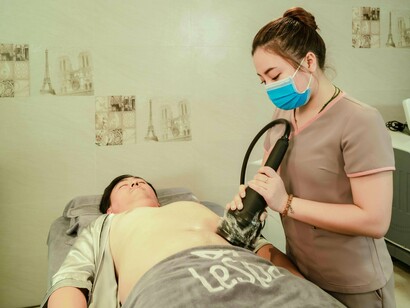
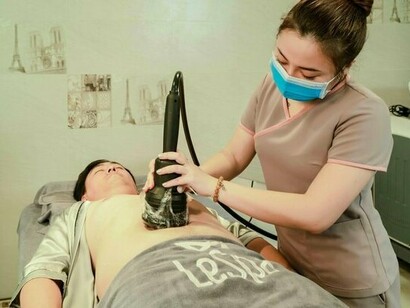
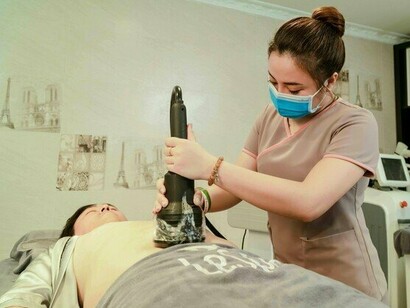
The field of non-surgical body contouring has emerged as one of the most dynamic and commercially impactful areas within contemporary aesthetic medicine. Traditional liposuction is an effective but invasive method of physically suctioning out adipose tissue under anaesthesia. Emerging technologies provide a more progressive reduction in treated areas, an outcome that many patients perceive as yielding a more natural aesthetic.
Cryolipolysis: Commercially known as CoolSculpting® is an FDA-approved modality that applies precise, controlled cooling to trigger apoptosis (programmed cell death) in subcutaneous fat cells. The crystallized fat cells are then gradually cleared by the body’s inflammatory system over 8 to 12 weeks. Clinical investigations, including those presented in Lasers in Surgery and Medicine, have reported average reductions of approximately 20–25% in localized fat volume following a single treatment session.
Injectable lipolytic agents: Targeted injectable therapies such as mesotherapy or Kybella® (deoxycholic acid) achieve fat reduction by chemically disrupting adipocyte integrity. Deoxycholic acid is a naturally occurring molecule in the body that emulsifies and absorbs dietary fat. When administered into the subcutaneous layer, deoxycholic acid induces adipocyte membrane disruption and subsequent cell destruction. Kybella®, in particular, holds FDA approval for treating submental fat, with clinical studies demonstrating meaningful improvement in approximately 68–82% of patients following a series of treatment sessions.
Laser and ultrasound-based technologies: Laser-based devices such as SculpSure® employ diode laser energy to thermally heat and disrupt adipocytes, whereas ultrasound systems like UltraShape® use focused acoustic energy to mechanically disrupt the structural integrity of fat cell membranes. These thermal and mechanical methods provide alternative mechanisms for achieving non-invasive fat reduction.
It is crucial to note that these modalities are not for weight loss. They are designed for patients at or near their ideal body weight who struggle with localized, diet-resistant fat deposits. Results are highly dependent on practitioner skill, appropriate patient selection, and adherence to post-procedure guidelines, including hydration and a healthy lifestyle.
The rise of preventative aesthetics and skin rejuvenation
Beyond their role in fat reduction, minimally invasive interventions now encompass broad-spectrum skin rejuvenation and preventive care, shifting the focus from merely addressing wrinkles to enhancing overall skin quality and health.
Neuromodulators and soft tissue fillers: As the statistics show, these are the workhorses of the industry. Neuromodulators such as Botox function by blocking acetylcholine release at the neuromuscular junction, resulting in a temporary reduction of activity in the overactive facial muscles responsible for frown lines and crow’s feet. Fillers, primarily composed of hyaluronic acid, restore volume loss, contour the face, and hydrate the skin by binding to water molecules.
Collagen induction therapies: This class of treatments is designed to activate the body’s intrinsic wound-healing pathways, thereby promoting the production of new collagen and elastin.
Microneedling: This method employs fine needles to produce deliberately controlled micro-injuries within the skin. When combined with platelet-rich plasma (PRP)—a concentrate of the patient’s own growth factors—the regenerative response is amplified, thus improving skin texture, tone, and scarring.
Energy-based devices: Non-ablative fractional lasers and radiofrequency (RF) technologies administer controlled thermal energy to the deeper dermal layers while preserving the integrity of the epidermis. This controlled thermal injury triggers neocollagenesis (new collagen formation), leading to gradual skin tightening and improved laxity over several months. The widespread adoption of platforms such as Morpheus8, which integrates microneedling with RF energy, illustrates the growing movement toward combination, or 'stacked,' treatment approaches designed to produce synergistic aesthetic outcomes.
The indispensable role of a healthy lifestyle
A critical tenet echoed by all responsible practitioners is that these technologies are adjuncts, not alternatives, to a healthy lifestyle. "The World Health Organization (WHO) continually emphasizes that regular physical activity, appropriate nutrition, diligent photoprotection, and abstinence from smoking constitute essential pillars for sustaining long-term health and promoting healthy, youthful aging. No laser or injection can replicate the systemic benefits of cardiovascular health, the structural support of a well-nourished body, or the protective power of daily sunscreen use against photoaging and skin cancer. The most successful aesthetic outcomes are achieved in patients who view these procedures as one component of a holistic wellness strategy.
Navigating the new landscape: the imperative of choosing the right practitioner
The accessibility of these treatments has led to an influx of providers, ranging from board-certified plastic surgeons and dermatologists to dentists, gynaecologists, and non-physician operators in medical spas. This democratization brings with it a critical need for patient vigilance.
Credentials are paramount. Patients should ensure that their clinician holds board certification in an appropriate core specialty such as the American Board of Plastic Surgery or the American Board of Dermatology and possesses accredited, procedure-specific training in the devices and techniques being utilized.
Key steps for patient safety include:
Verifying board certification through official boards, not just state medical licenses.
Evaluating a documented collection of authentic patient cases that demonstrate reliable, high-quality before-and-after results.
Confirming the use of FDA-approved or CE-marked devices in a clinical setting.
Verifying that the consultation provides a comprehensive review of anticipated outcomes, the full spectrum of potential risks, all associated costs, and any projected requirements for subsequent maintenance procedures.
Selecting a qualified practitioner remains the most important factor in reducing the likelihood of adverse outcomes, such as filler-related vascular events or thermal injuries from energy-based devices, and in ensuring accurate diagnosis and effective management should complications occur.
The future: personalization, technology, and ethical frontiers
The trajectory of aesthetic medicine points toward an even more personalized and technologically integrated future.
Artificial Intelligence (AI) and 3D imaging: Artificial intelligence systems are increasingly being developed using extensive repositories of patient images, enabling them to forecast personalized aging trajectories and model the expected results of different interventions with notable precision. 3D imaging systems can quantify volume changes and skin topography to a fraction of a millimetre, allowing for objective assessment of results and highly customized treatment planning.
Combination therapies: Future clinical practice will likely incorporate multimodal treatment combinations delivered within a single session. For example, a treatment plan might combine micro focused ultrasound for deep tissue lifting, a biostimulatory filler for mid-face volume restoration, and a topical growth factor serum to enhance surface-level skin quality.
Regenerative medicine: The future of aesthetic medicine increasingly centres on leveraging the body’s intrinsic regenerative mechanisms. Research into stem cell–derived therapies, exosome treatments, and next-generation biomaterials that more closely mimic native tissue is ongoing, promising even more natural and long-lasting results.
This swift progress necessitates corresponding developments in regulatory frameworks, ethically responsible marketing that appropriately shapes patient expectations, and a more robust base of peer-reviewed research to substantiate emerging technologies. The goal is to ensure that the democratization of aesthetic medicine does not come at the cost of patient safety or scientific integrity.
Conclusion
The growing prominence of minimally invasive cosmetic interventions reflects a profound and transformative shift in the underlying principles that guide contemporary aesthetic medicine. It is a shift from reactive correction to proactive preservation, from the drama of the operating room to the convenience of the clinical office. Supported by notable benefits in terms of recovery time, affordability, and safety, as well as by continual technological advancements—minimally invasive procedures have enabled millions to pursue aesthetic enhancement in ways that are consistent with contemporary priorities of subtle improvement and overall well-being. However, this new landscape requires an educated and discerning consumer.
Ultimately, optimal aesthetic outcomes arise from the combined influence of cutting-edge technology, the expertise of a competent clinician, and the patient’s ongoing dedication to maintaining a healthy lifestyle. As we look to a future of AI-driven personalization and regenerative therapies, the core principles must remain unchanged: a steadfast dedication to evidence-based practice, ethical standards, and the understanding that true well-being is a harmony of art, science, and self-care.
References
American Society of Plastic Surgeons. (2023). 2022 Plastic surgery statistics report. ASPS. The Aesthetic Society. (2023). Aesthetic plastic surgery statistics 2022.
The Aesthetic Society. Grand View Research. (2021). Medical aesthetics market size, share & trends analysis report, 2021–2028.
Grand View Research. American Society for Dermatologic Surgery. (n.d.). Kybella® (deoxycholic acid) injection: Clinical trial data & indications.
Coleman, S. R., & Fagien, S. (2013). Complications of injectable fillers: A review of the literature and clinical recommendations. Plastic and Reconstructive Surgery, 132(4), 49S–59S.
Manstein, D., Laubach, H., Watanabe, K., Farinelli, W., Zurakowski, D., & Anderson, R. R. (2008). Selective cryolipolysis: A novel method of non-invasive fat removal. Lasers in Surgery and Medicine, 40(9), 595–604.
World Health Organization. (2020). Guidelines on physical activity and sedentary behaviour.
Alster, T., & Li, M. K. (2020). Microneedling with platelet-rich plasma for facial rejuvenation: A clinical review. Dermatologic Surgery, 46(12), 1712–1719.
Wu, D. C., Fabi, S. G., & Goldman, M. P. (2016). The basics of radiofrequency for aesthetic dermatology. Dermatologic Surgery, 42(5), 609–616.
Rzany, B., Luger, T. A., Dirschka, T., et al. (2014). Efficacy and safety of deoxycholic acid injections for reduction of submental fat. Journal of the American Academy of Dermatology, 71(6), 1190–1199.