English
 Español
 Français
 Deutsch
 Italiano
 Português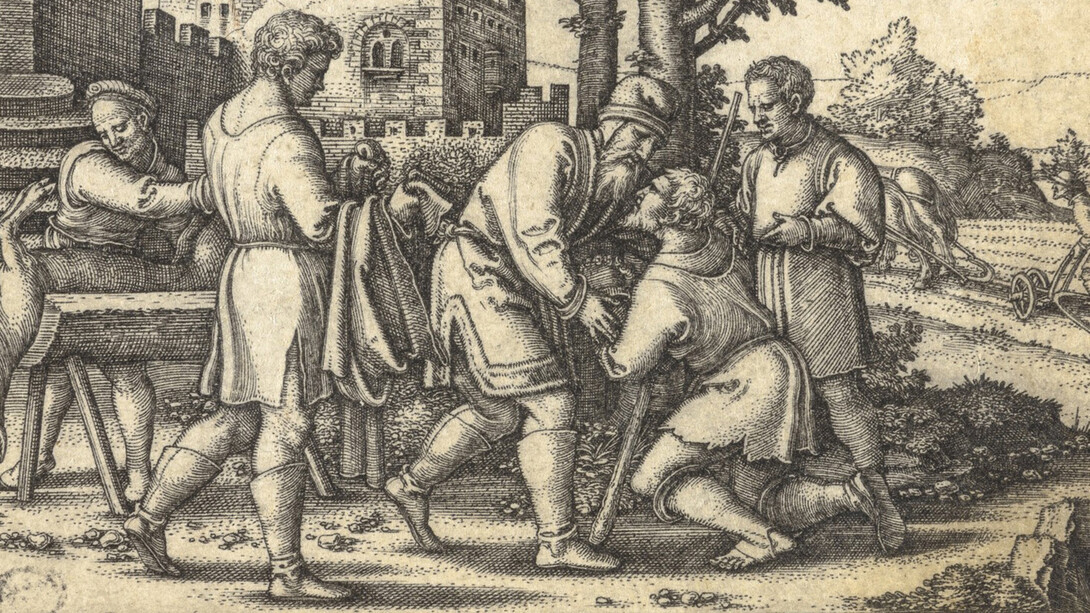
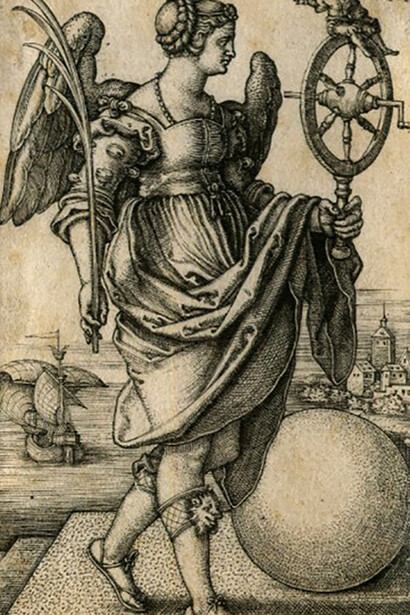
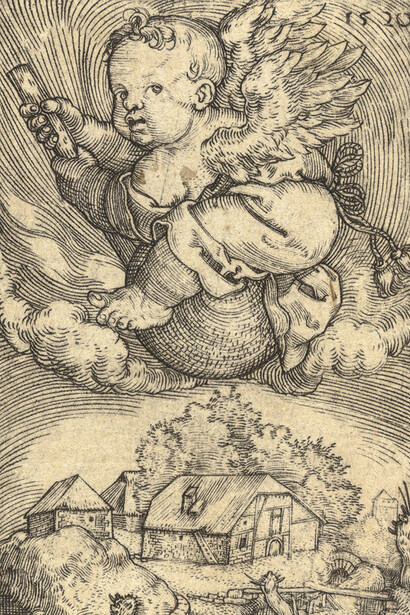
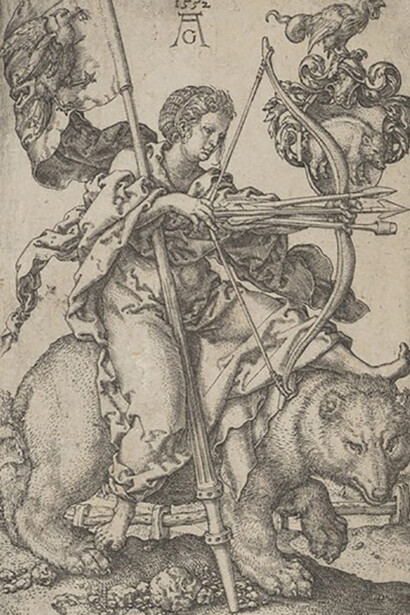
The Little masters primarily comprise the brothers Barthel Beham (1502–1540) and Sebald Beham (1500–1550), Georg Pencz (c. 1500–1550), and Heinrich Aldegrever (1502–1555/1561). They were given that appellation on account of the miniature size of their prints, often no larger than a postage stamp (their largest engravings correspond to the smallest made by Albrecht Dürer). This period saw the establishment of an aesthetic of the small object, oriented towards private collections and individual viewing. A new set of art collectors emerged, whose cabinets of curiosities represented a sort of model of the world in miniature.
The display in the Gallery of Graphic Art is supplemented by works by others connected in various ways with the output of the Little masters – including engravings by their chief predecessor, Albrecht Altdorfer, who was the first to turn to this format, as well as by Dürer himself.
The Little masters made a notable mark on the history of European art. Alongside the prints from the first half of the 16th century, the exhibition features pieces of decorative and applied art that incorporate inventions of Sebald Beham and Heinrich Aldegrever, as well as works by artists of later periods – in particular, Rembrandt, who a hundred years after Sebald Beham created paired engravings on the peasant theme featuring the same characters. In total, visitors to the exhibition will see more than two hundred items from the Hermitage's rich collection of Western European art.
The curator of the exhibition The universe in miniature is Svetlana Viktorovna Murashkina, Senior Researcher in the Department of Western European Fine Art, keeper of the collection of 15th–18th-century German prints.