English
 Español
 Français
 Deutsch
 Italiano
 Português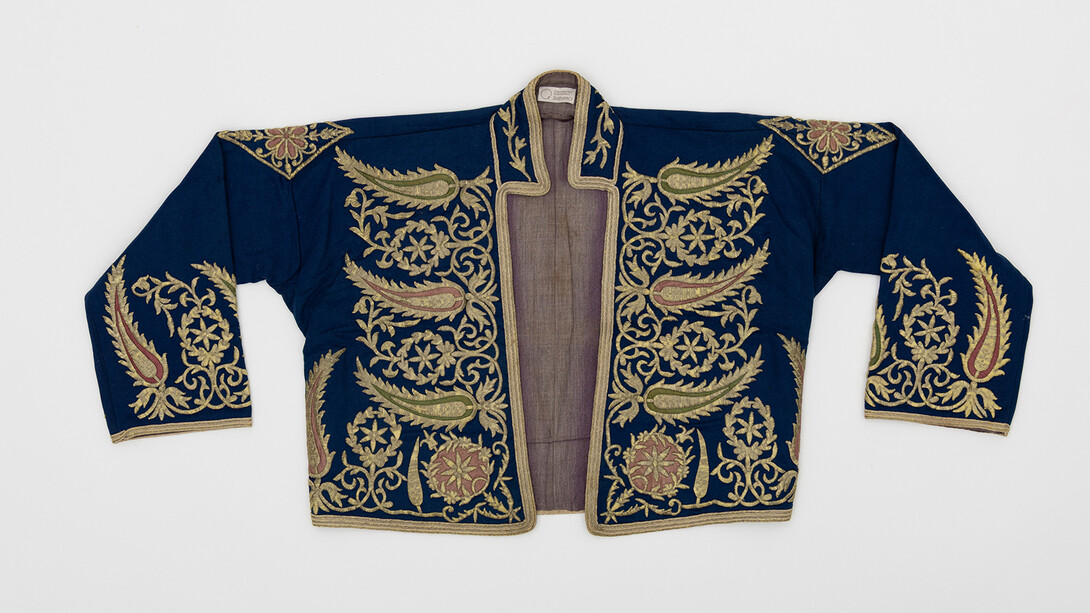
On 30 April 2026, the exhibition Treasures of the bride. The story of ottoman and Anatolian Dowries begins its run at the State Hermitage. This temporary exhibition presents Turkish culture of the second half of the 19th century through the traditions surrounding one of the most beautiful and important events – a girl's preparation for marriage.
More than 80 items from the Collections of the Olgunlaşma Institutes of the Ministry of National Education of the Republic of Türkiye amaze with their craftsmanship and oriental luxury, revealing a world woven from silk, gold, and a maiden's dreams.
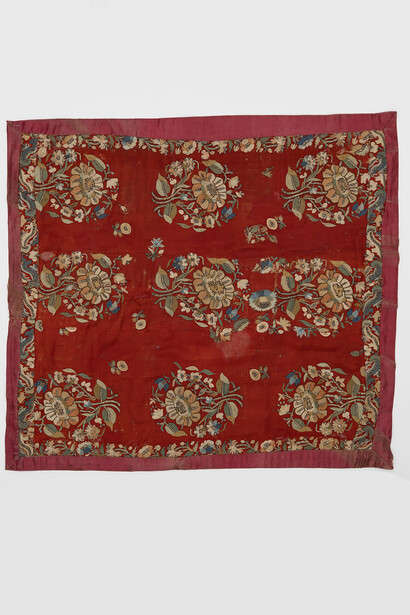
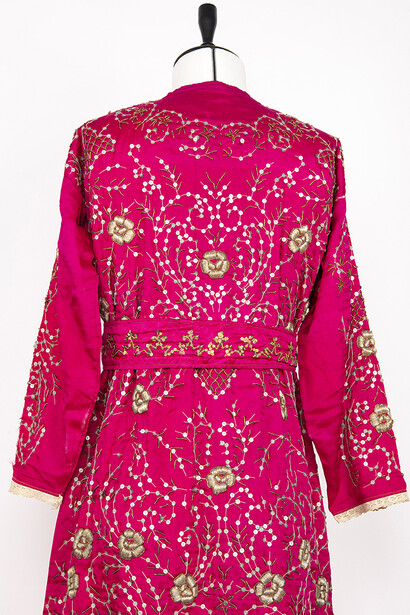
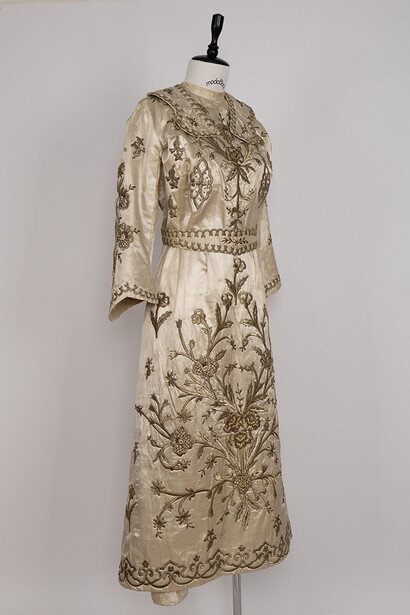
The centrepiece is formed by late 19th-century wedding dresses and the luxurious items that made up the dowry (çeyiz). Its preparation was of particular importance in the Ottoman Empire. The display features articles of female clothing decorated with exquisite embroidery – silk dresses, headwear, a blouse, a waistcoat, jackets, belts – as well as household textiles woven from silk and cotton – a variety of towels (for hands and the bathhouse), decorative pillowcases, napkins, tray covers and tablecloths. The picture of the Ottoman bride's dowry is completed by jewellery, coffee ceremony items, copper ware, bath water bowls, and wooden clogs with thick soles, recalling the ritual of visiting the hammam on the eve of some special occasion.
The exhibition immerses visitors in the world of Ottoman and Anatolian wedding traditions, carefully passed down from generation to generation. In the Ottoman Empire, the marriage ceremony was made up of several stages: matchmaking, betrothal, the display of the dowry (before it was moved to the groom's house, which usually took place on the third day of the ceremony), the bride's hammam, and the "Henna Night". This was followed by the official marriage ceremony (nikah) and the solemn procession to the groom's house (the handing over of the bride – zifaf). Traditionally, the nuptial rites concluded with the wedding feast.
Before the wedding, the bride's family would hold a ceremonial display of the dowry – çeyiz serme. The exhibition offers a unique opportunity to feel like a participant in such a presentation, to become acquainted with the cultural and artistic traditions of the Ottoman Empire in the second half of the 19th century, and to trace the evolution of the Turkish wedding dress under the influence of European fashion.
The author of the concept and exhibition curator is Marina Nikolayevna Gavrilova, Senior Researcher in the State Hermitage’s Oriental Department.