English
 Español
 Français
 Deutsch
 Italiano
 Português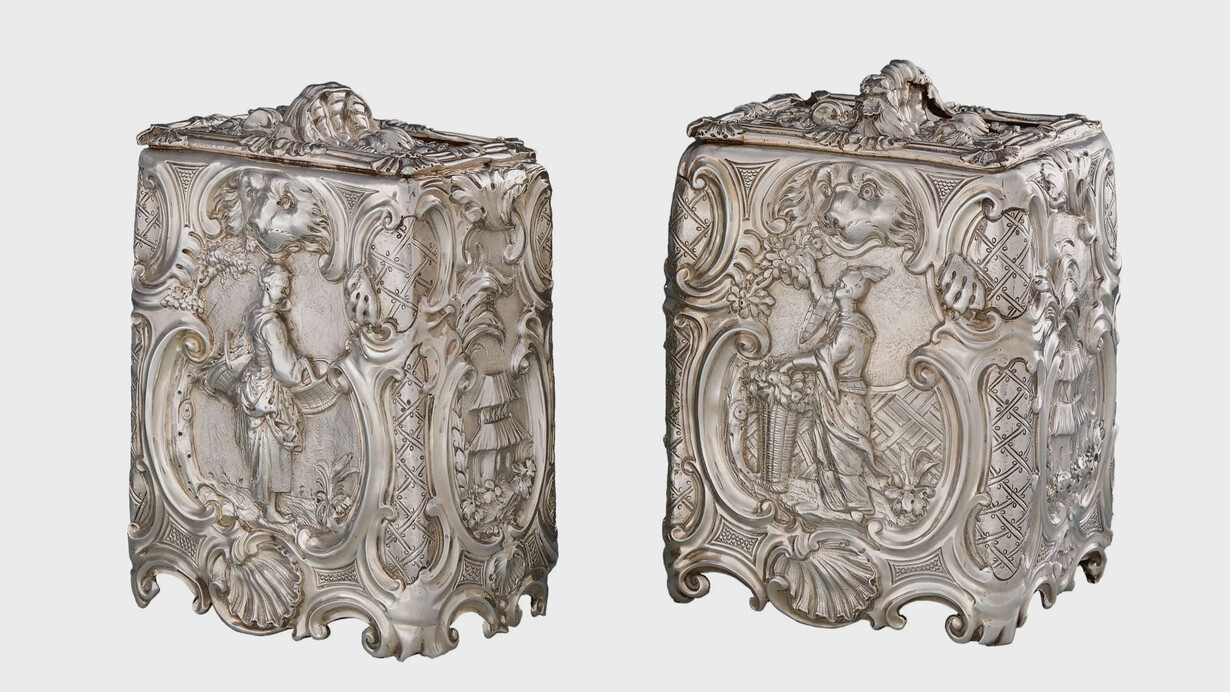
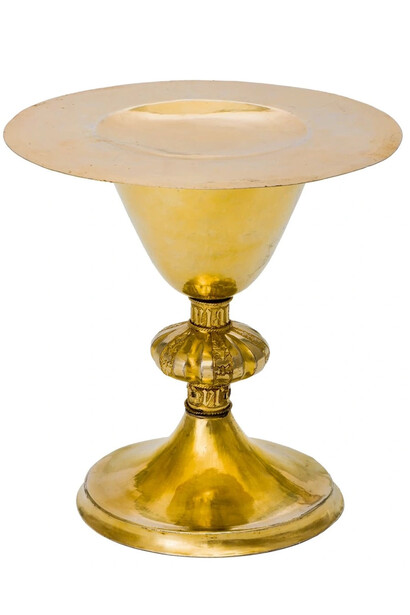
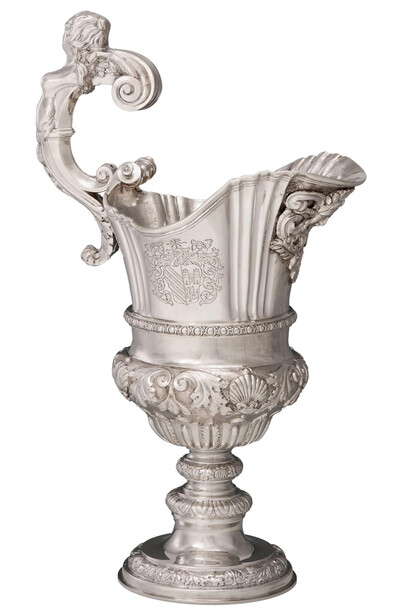
The exhibition in the State Anteroom of the Armoury Chamber presents a unique collection of silver from the 15th to the 20th centuries, gifted to the Moscow Kremlin Museums by the Merited Economist of the Russian Federation, Honorary Radio Operator, and collector Oleg Pavlovich Loginov. He had gathered this collection for many years, always making the choice very thoroughly and studing it on his own. His truly deep interest in it is evidenced by his consistent appeal to scientific literature and specialists.
The collection is distinguished by wide geographical and chronological scope. It numbers over 50 items made by masters from different countries, including Russia, Germany, England, France, Italy, and others. Along with masterpieces from such centres of silversmithing as Nuremberg and Augsburg, there are artefacts with marks from lesser-known and small towns. Works on display let us appreciate the peculiarity of national artistic traditions. At the same time they give us an opportunity to trace the whole history of silversmithing from the Late Middle Ages to the mid-20th century, and discover fundamental types and forms of pieces, different techniques and variants of decoration.
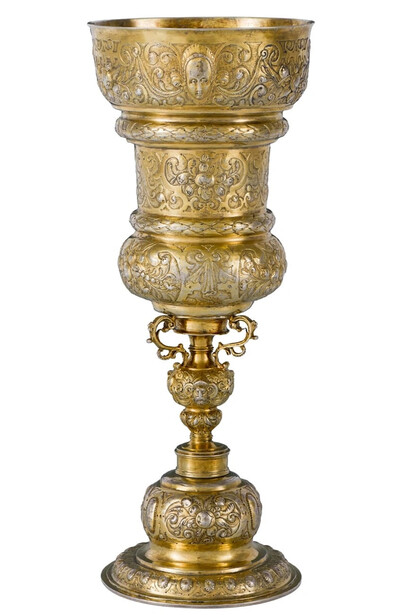
Most of the pieces from the 15th–17th centuries are the works by German masters, a fact that is hardly surprising given that the German cities of that era were the epicentres of European silversmithing. The exhibition showcases a wide range of standing cups, tankards, and beakers—the most common types found across German lands. One of the most prized pieces in the museum collection is a standing cup crafted by Nuremberg master Eustachius Homan. Its se bears the 17th-century wedding mark of two noble families, von Raibnitz and von Kanitz. In addition to the coat of arms, the cup bears an inscription confirming that it later entered the collection of the renowned Russian scientist-mineralogist and statesman Prince Piotr Arkadievich Kochubey (1825–1892).
Among the 18th–19th century pieces, those intended for storing and serving tea and coffee are of particular interest. They testify to the new challenges posed to the goldsmiths by the appearance of these beverages, and also to the formation of a particular refined culture of their preparation and drinking.
Of special interest among 18th-century items is a set made for Princess Charlotte Amalie Vilhelmine von Schleswig-Holstein-Sondenburg-Plon on the occasion of her christening. It comprises a dish and a bowl. As is evidenced from the marks, the set was made in Copenhagen in 1735–1740s. It is a fine example of a blade-like style, which was particularly popular among the goldsmiths of Northern Europe, with a characteristic love for plain forms and restrained décor.
Along with articles by European masters, the display features a small group of pieces made in Moscow and Saint Petersburg. They testify high level of silversmithing in Russia during the first half and middle of the 19th century and remind of a return to ornaments and styles of earlier times that had occurred then.
The exhibition concludes with works spanning the late 19th to the mid‑20th centuries, illustrating the profound transformation of silversmithing during the industrial era. Large‑scale jewellery houses supplanted small workshops, and the display showcases pieces from the most renowned German, Italian, and Swedish ateliers—several of which remain in operation today.