English
 Español
 Français
 Deutsch
 Italiano
 Português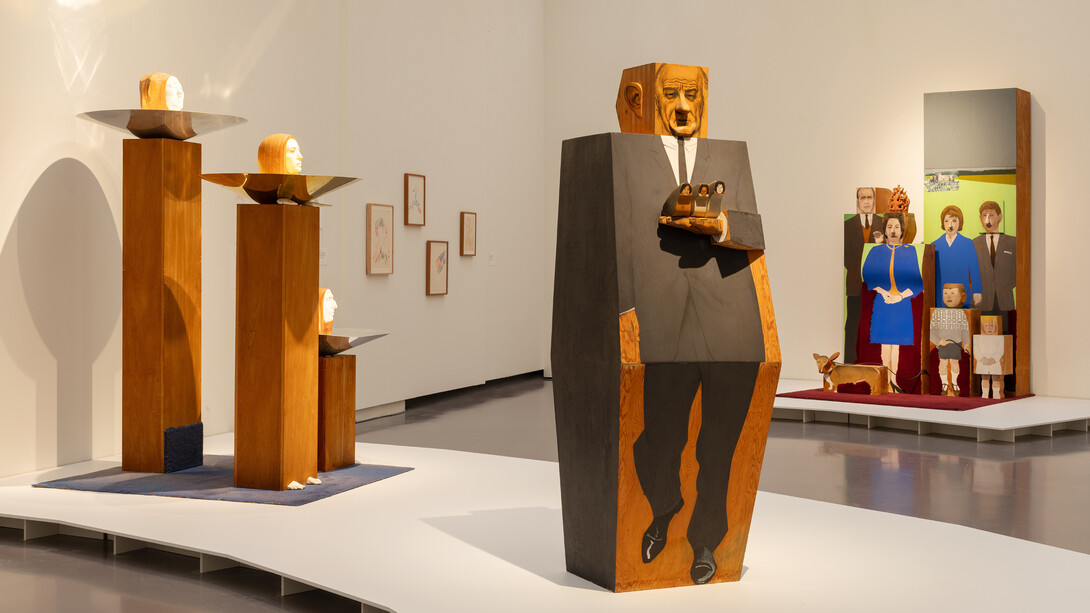
Marisol is one of the most distinctive voices of Pop Art. In her sculptural figures, she combines pop culture, satire and self-staging into a unique visual language. Celebrated in the 1960s, her work is now being rediscovered – as a precise and strikingly relevant position between Pop Art and Nouveau Réalisme.
Between popular culture and social critique
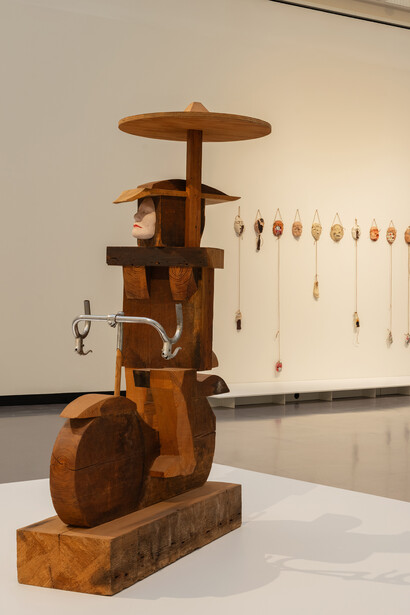
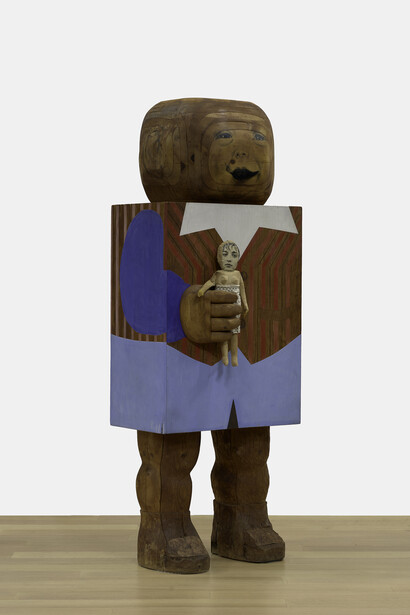
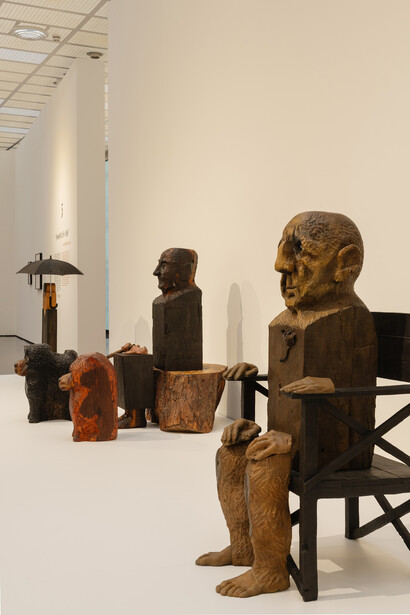
María Sol Escobar (1930–2016), known as Marisol, was one of the defining figures of the New York art scene in the 1960s. Her often life-size painted wooden sculptures combine everyday objects with elements of popular culture, Dada and folk art, creating a distinctive and often satirical visual language. Her work moves between American Pop Art and European nouveau réalisme without being clearly assigned to either movement. Early on, she developed a unique formal language in which self-portraiture, social roles and staged identities intersect.
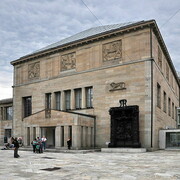
The exhibition at Kunsthaus Zürich is part of an international collaboration with the Louisiana Museum of Modern Art, Humlebæk, the Museum Boijmans Van Beuningen, Rotterdam, and the Museum der Moderne Salzburg. Together, these institutions present the first comprehensive retrospective of Marisol’s oeuvre in Europe. The exhibition is developed in close collaboration with the Marisol Estate at the Buffalo AKG Art Museum.
(Supported by the Hans Imholz-Stiftung and the Monsol Foundation)
I never wanted to be a part of society… I have always wanted to be distinct.
(Marisol)