English
 Español
 Français
 Deutsch
 Italiano
 Português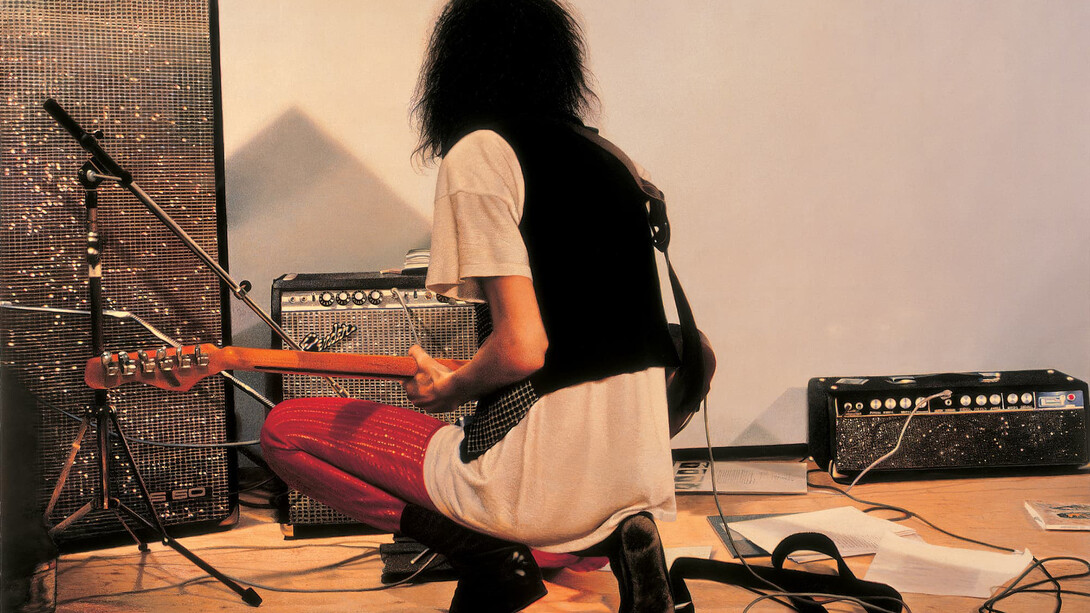
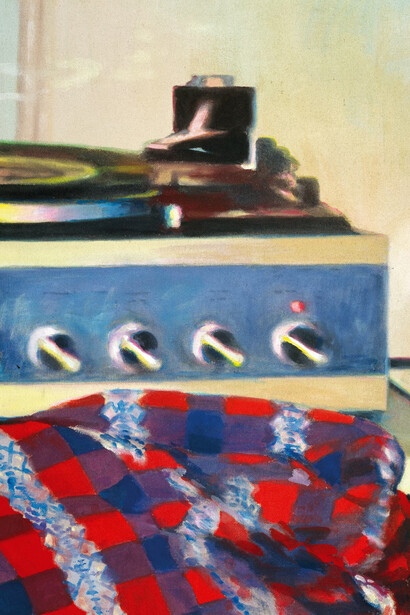
Franz Gertsch (1930–2022) is seen as a Swiss pioneer of photorealism and a master of the modern woodcut. The retrospective Franz Gertsch. Blow-Up, shown in two parts in the Kunstmuseum Bern and the Museum Franz Gertsch, offers an overview of an artistic career lasting more than sixty years, including monumental paintings of the youth and music scene from the 1970s, iconic portraits of women from the 1980s, family paintings and portraits of artist friends, epic landscapes and images of nature.
In the Kunstmuseum Bern the focus is on the years between 1956 and 2021, creating familiar insights, but also illuminating new aspects and perspectives for the reception of Gertsch’s works. The exhibition shows Gertsch’s stylistic development, and goes on to reveal the thematic lines and cross-connections within his œuvre. These include the relationship between humanity and nature, as well as the role of photography in painting, which are today acquiring a new significance in the context of ecological and humanitarian crises and in the age of the selfie.
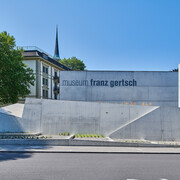
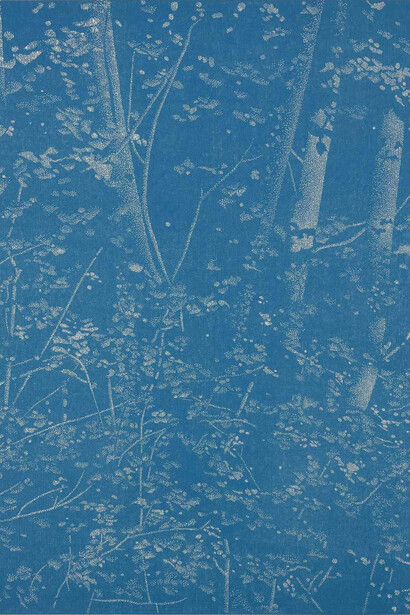
The focus at the Museum Franz Gertsch is on a selection of paintings and subjects the artist produced between 1970 and 2022: The first room is dedicated to the rock poet Patti Smith, whom Franz Gertsch portrayed five times between 1978 and 1979. The second room features portraits of a young Luciano Castelli. Franz Gertsch painted the artist from Lucerne thirteen times between 1971 and 1977. The group of works in the third exhibition room revolves around Irene Staub. She belonged to Luciano Castelli’s circle of friends and was known as a high-class sex worker in Zurich who went by the name “Lady Shiva”. The fourth room showcases large-format paintings featuring Franz Gertsch’s central models 'Johanna' (1983–1985) and 'Silvia' (1998–2004), as well as important landscape motifs the artist revisited time and again, both in his paintings and in his woodcuts: Waldweg (Campiglia marittima) [Forest path (Campiglia marittima)], Gräser [Grasses], and Meer [Sea]. These themes also feature in a collection of woodcuts presented in the smaller rooms in the annex of the Museum Franz Gertsch.