English
 Español
 Français
 Deutsch
 Italiano
 Português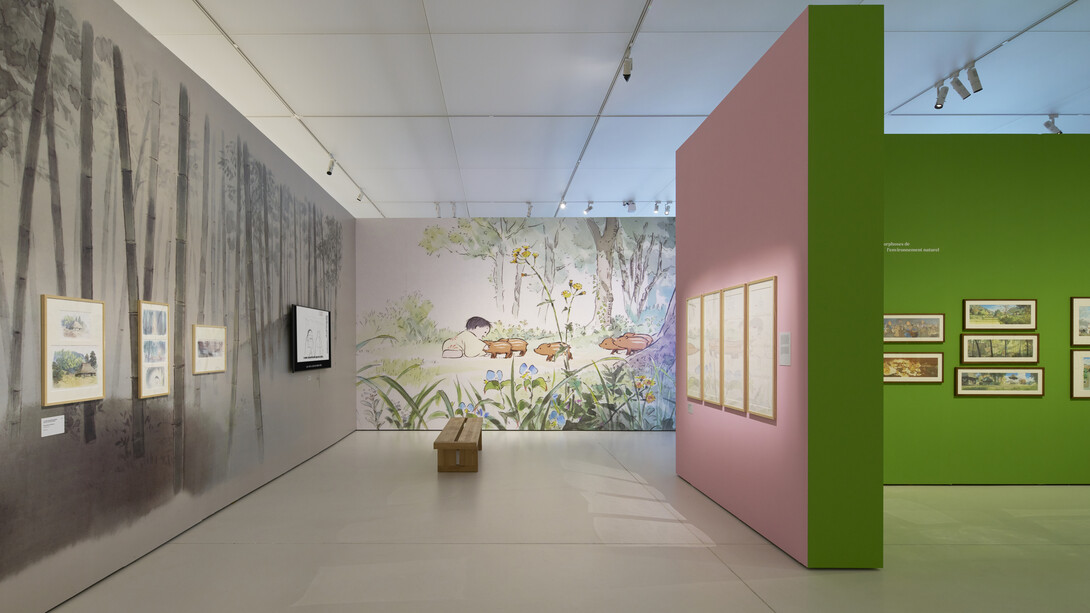
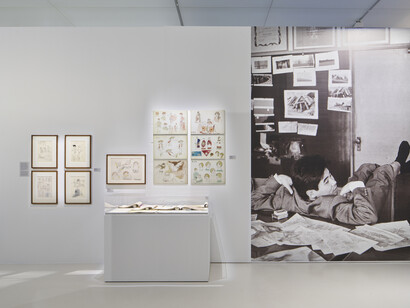
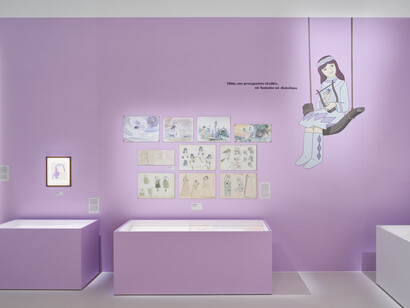
The exhibition, unique in Switzerland, retraces Takahata’s career, from Heidi, girl of the alps (1974) to Grave of the fireflies (1988) and The tale of the princess Kaguya (2013), through his notebooks and storyboards, original drawings, cels, film and video excerpts and audiovisual documents.
The exhibition, unique in Switzerland, retraces Takahata’s career, from Heidi, girl of the alps (1974) to Grave of the fireflies (1988) and The tale of the princess Kaguya (2013), through his notebooks and storyboards, original drawings, cels, film and video excerpts and audiovisual documents.
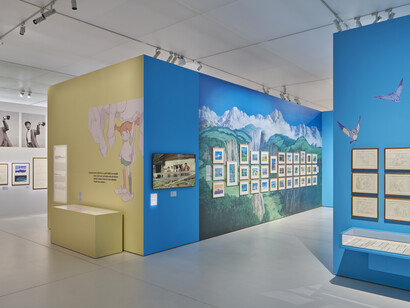
It also highlights an entirely new aspect: the special ties Takahata maintained with the West throughout his life, from his intellectual education to his role as a cultural bridge, and the accuracy of his depictions of the European world in landmark works such as Heidi, girl of the alps (1974).
This part of the exhibition explores Isao Takahata’s decisive relationship with the West, particularly the French-speaking world. It retraces his discovery of Prévert’s poetic realism – a foundation of both his aesthetic and political engagement – and presents his in-depth research into The shepherdess and The chimney-sweep (1953), through original documents that shed light on the origins of his vocation. It then examines the unprecedented challenge of adapting classic Western stories into animation – Heidi, girl of the alps (1974), From the apennines to the Andes (1976), Anne of Green Gables (1979) – combining ethnographic rigour with documentary ambition.
Finally, it highlights Takahata’s exchanges with Western artists (Grimault, Ocelot, Back, Norstein and many others), his influence on world animation and his major role in establishing animated film as a recognised art form. This journey illustrates the importance of sustained cultural exchange, portraying Takahata as a key figure in intercultural dialogue and a source of inspiration across borders.