English
 Español
 Français
 Deutsch
 Italiano
 Português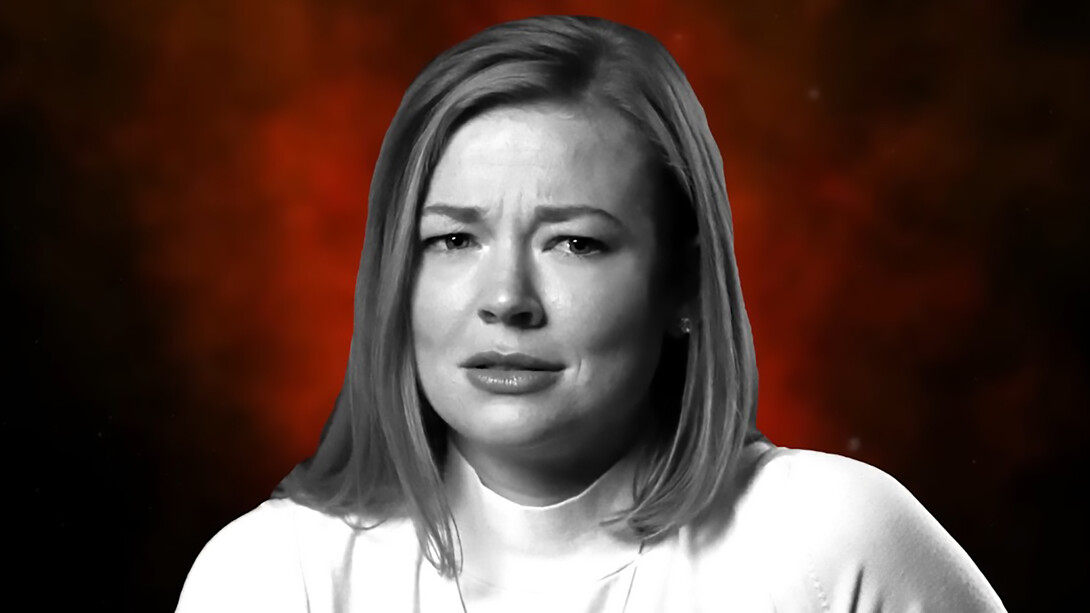
From Succession’s Shiv to Baldur’s Gate 3’s Astarion, the modern villain isn’t scary anymore—they’re trending.
There’s been a PR miracle in pop culture: villains are no longer canceled; they’re curated. Somewhere between fandom edits, trauma discourse, and Instagram mood boards, evil stopped being something to fight and became something to admire.
As a result, the modern antagonist doesn’t lurk in shadows anymore; they glow under ring lights. They’re stylish, emotionally complex, and conveniently quotable. We no longer ask if they’re wrong; we ask where they got the coat.
Welcome to the era of the villain rebrand, where evil gets better lighting, sharper cheekbones, and a social media following.
From evil to elegance: the evolution of the villain
There was a time when being a villain meant being punished. The bad guy had to die, preferably in flames, to prove that goodness triumphs. But by the late 2000s, the moral script started to blur. Enter the age of the sympathetic villain: Magneto, Killmonger, and Loki—figures whose trauma made them more interesting than their heroic counterparts.
Fast forward to the 2020s, and we’ve entered something stranger: villains as lifestyle brands. They’re no longer moral warnings; they’re mood boards.
Scroll through social media and you’ll see it: edits of Shiv Roy captioned “Power is feminine,” Joker memes used to justify late-night nihilism, Astarion fan art framed like Renaissance portraits. Evil, apparently, is a vibe.
We don’t fear villains anymore: we quote them, defend them, and sometimes swipe right on them.
Shiv Roy: the cold charm of power
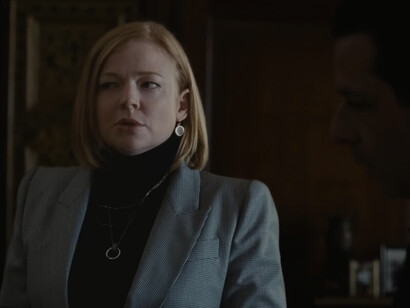
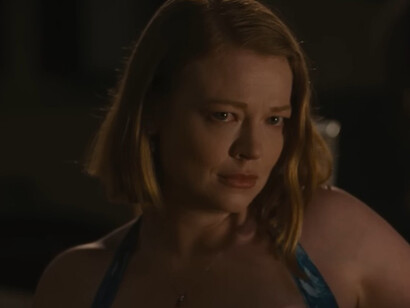
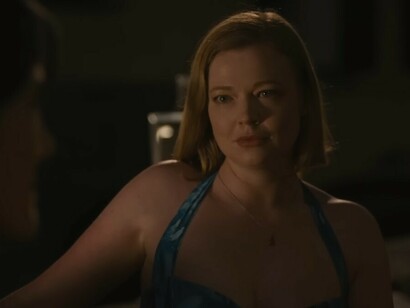
If you ever needed proof that villainy has gone corporate, look no further than Shiv Roy from Succession (HBO, Series). She’s manipulative, emotionally withholding, and casually cruel, and yet, the internet adores her.
Her power suits are dissected on TikTok. Her one-liners are shared as motivational quotes. Somewhere along the way, we decided that cutting people off emotionally wasn’t toxic; it was “boundaries.”
Shiv is the perfect example of what happens when the internet turns moral ambiguity into empowerment. She’s the “girlboss” who doesn’t need redemption because the narrative bends around her sharpness. She isn’t punished for being cold: she’s praised for it.
Of course, part of this is wish fulfillment. Watching Shiv glide through chaos without apologizing scratches an itch in an audience tired of emotional labor. But there’s irony in celebrating her detachment as strength: we’re mistaking power for peace.
She’s not the hero we need. She’s the one who taught us to gaslight with elegance.
Astarion: the romance of moral grayness
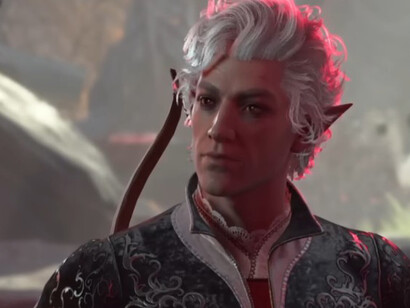
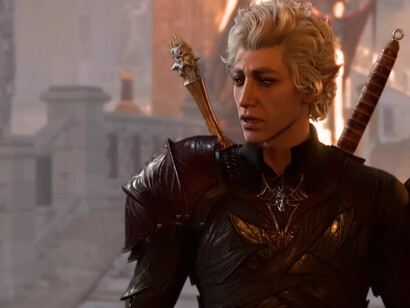
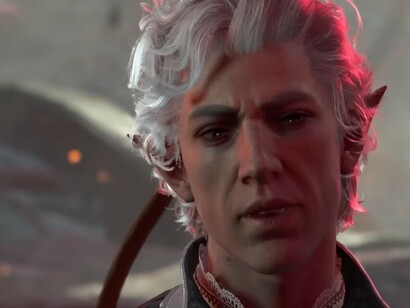
Every generation has its vampire boyfriend, but Astarion from Baldur’s Gate 3 (RPG, Larian Studios) is the first designed for you to morally wrestle with in real time. He’s manipulative, vain, charming, and traumatized: a high-definition paradox. Players fall for him, argue about his ethics, and flood the internet with fan art tagged #LetMeFixHim.
But Baldur’s Gate 3 adds an extra layer: interactivity. You don’t just watch Astarion being morally complex: you choose whether to enable or challenge him. You become complicit in his evolution. It’s the ultimate fantasy of modern fandom: romantic redemption by participation.
The twist is that every choice says more about you than about him. Do you want to “save” him, or do you just want to be the person who could? He’s not your boyfriend: he’s your ethical dilemma in a velvet shirt.
The darkling: candlelit evil that photographs well
Ben Barnes’s Darkling in Shadow and Bone (Series, Netflix) is the Tumblr resurrection of a trope the internet never got over: the tragic, immortal, misunderstood villain.
He’s ancient, beautiful, and doomed: basically, a walking fan fiction tag. His speeches about loneliness are clipped into romantic edits; his genocidal tendencies are conveniently cropped out. What makes the Darkling so enduring is his aesthetic. He’s evil that looks good. Black robes, candlelight, eyes full of yearning. You can’t build moral outrage around that: you can only reblog it.
This is how the fandom machine works: it filters out moral consequences and amplifies vibes. We don’t want redemption arcs anymore; we want mood lighting and emotional ambiguity.
The Darkling isn’t just a villain. He’s a brand of longing, a curated melancholy for people who want danger, but only in soft focus. He’s not toxic; he’s timeless.
Villanelle: the birth of “villain chic”
Long before Astarion’s velvet smirk and Shiv’s cold confidence, Killing Eve gave us Villanelle, the patron saint of beautifully dressed sociopaths. She wasn’t just a killer; she was an influencer of aesthetics and attitude. Her murders came with punchlines, her trauma with taste.
The internet didn’t react with fear: it responded with fashion boards, playlists, and think-pieces about “female agency.” Viewers weren’t asking how to stop her; they were asking where to buy the pink tulle dress.
Villanelle made amorality aspirational. She showed that cruelty could be charming if you paired it with the right designer heels and a deadpan one-liner. She didn’t just walk so characters like Shiv could run; she strutted down the catwalk of cultural redemption and handed them the spotlight.
The Joker meme economy
And then there’s Joker, the eternal symbol of chaos, who somehow became a self-help meme.
Ever since The Dark Knight, the character has been endlessly remixed, reinterpreted, and recycled. The latest iteration, Joker: Folie à Deux (feature film, Todd Phillips), only intensified the transformation. What was once a cautionary tale about alienation is now a franchise about misunderstood rebellion.
Online, Joker has become shorthand for disillusionment. His quotes (real or invented) circulate with alarming sincerity. “We live in a society” isn’t irony anymore: it’s merchandise. It’s the final stage of villain commodification: we no longer critique the madness; we market it. The Joker’s smile has become a logo: rebellion with a barcode.
Why we’re rooting for the devil
So, why this obsession? Why are we drawn to flawed, cruel, chaotic figures instead of the classic paragons of good?
Part of it is cultural fatigue. After years of relentless cynicism, real-world corruption, and moral gray zones, audiences crave honesty, and villains are nothing if not honest about wanting power. Heroes lie about virtue; villains are upfront about survival.
There’s also something deeply psychological at play. We empathize with villains because we recognize their hunger. They represent ambition without apology and emotion without restraint.
Gender adds another layer. Female villains like Shiv or the Darkling’s female fans represent a quiet rebellion against the “good girl” narrative. Power, even in its most destructive form, feels liberating when you’ve been told to stay small.
And then there’s fandom itself. The internet doesn’t just consume villains: it edits them. Through GIFs, playlists, and fanfiction, we sanded away their cruelty until all that’s left is charisma. What’s left isn’t evil; it’s aestheticized pain.
The new morality: pretty and complicated
We live in a time where morality is less about good and evil and more about being interesting. The new moral code is charisma. If you’re charming, self-aware, and traumatized enough, people will forgive anything.
This shift doesn’t mean we’ve lost our moral compass: it just means we’ve rebranded it. The villain’s complexity mirrors our own contradictions. We crave depth over decency, struggle over simplicity. In a world that feels increasingly absurd, the villain’s defiance looks like clarity. They may be monstrous, but at least they’re decisive.
Sin with style
Once, we asked who the hero was. Now we ask what skincare routine the villain uses.
From Shiv’s immaculate power suits to Astarion’s velvet flirtation and the Darkling’s aesthetic despair, our villains don’t hide their sins: they accessorize them. Maybe that’s the real appeal: these characters permit us to stop pretending. To embrace our flaws, our selfishness, and our need to be seen, and to do it beautifully.
We’re not idolizing evil. We’re romanticizing imperfection. And if good is boring and evil looks this good, maybe the line between the two was never moral at all: just a filter.