English
 Español
 Français
 Deutsch
 Italiano
 Português
Despite moving through decades of medical advances, women’s health concerns still face longer wait times for diagnosis, symptom dismissal, ill-tailored care, and limited representation of the full spectrum of women’s health struggles.
Overall, women are receiving less preventive care.
Women make up more than half of the global population. Yet, the healthcare system still operates on the default design for men. This is largely because research, data sets, and innovation are male-bodied-centered. The result? A persistent gap in the preventive care women deserve, especially considering how they face longer years in poor health when compared to men.
So what should preventive healthcare look like for women?
Preventive healthcare is more than just a yearly check-up. For women, in addition to the yearly check-ups, it should include cervical, breast, and colon cancer screenings, cardiovascular risk assessments, bone density checks, mental health screening, and basic reproductive health monitoring.
While clear guidelines exist, and most doctors are aware of them, they rarely educate women about their importance. Moreover, women are not encouraged to visit their doctors unless they are pregnant or are currently experiencing serious health symptoms.
In an ideal scenario, a woman would have a consistent primary care provider. One whom she would regularly visit. Who knows her medical history, tracks her screenings, flags early warning signs, and provides referrals to other healthcare providers when needed.
The reality looks very different. A 2025 Ipsos survey1 commissioned by the Alliance for Women’s Health and Prevention (AWHP) found 42% of women forgoing preventive healthcare services, which included annual check-ups, medical testing, and vaccines. A primary reason was trouble getting an appointment with the provider. Affordability concerns, time constraints, and deprioritization were cited as additional reasons.
Uninsured women face even steeper barriers compared to women with some form of insurance. Firstly, they are less likely to have a regular doctor whom they can visit. Which means they are not getting any preventive services, which include mammograms, Pap tests, or even timely blood pressure check-ups.
Access, however, is only one barrier.
Even if women show up, the system itself often fails them. Research2 has consistently shown that many healthcare interventions are based on male-centric data. This means if a woman shows up with symptoms not within the prerequisite clinical pattern, her health needs may not be adequately addressed.
Until guidelines for preventive care are grounded in sex-disaggregated research and implemented equitably, women will continue to slip through the cracks.
Linking poor preventive care to women’s present health realities
When preventive care is persistently deprioritized, delayed, or denied, the consequences do not stay abstract, to say the least. For women participating in studies, these show up as high diagnosis rates, survival statistics, and diminished quality of daily life.
Cancer as the poster child for fatalities linked with screening gaps
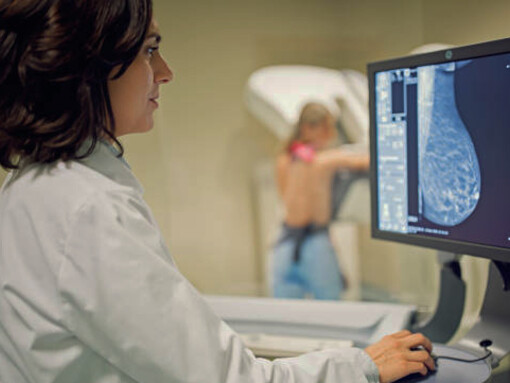
Cancer screening is one of the most powerful tools in preventive medicine. A 2024 JAMA Oncology study3 found that improvements in cancer prevention and screening have reduced more deaths than treatment alone, from five major cancer types in the past 45 years.
Even then, screening rates remain stubbornly low, and the consequences are disproportionately affecting women.
In 2023, an estimated 43,000 women died of breast cancer in the United States. Non-Hispanic Black women were found to be carrying the highest mortality rates, despite the lower incidence rates when compared to white women. This means that the disparities also reflect structural inequities in who gets screened first and how quickly the abnormal results are followed up with intervention.
Another scoping review4 found that diagnostic delays among women with breast cancer were shaped by individual-level factors unique to each woman. An example of this was when women would have their physical complaints attributed to stress or anxiety by their healthcare providers. This was then compounded by structural or systemic barriers.
Cervical cancer follows a similar dreary pattern. The World Health Organization estimated approximately 660,000 new cases of cervical cancer and 350,000 new deaths in 2022. Most of these deaths were preventable. This proves true when we see data from large populations such as India, where only 0.3-2% of women get screened for cervical cancer, resulting in a population with the highest rates of cervical cancer deaths.
The problem is not in science. It is in the access, education, follow-through, and systemic failures that are making consistent screening a privilege rather than a basic necessity.
Autoimmune diseases face lost years before a diagnosis
Women are more likely and also at a higher risk than men of developing most autoimmune conditions. Among 80+ characterized conditions, including systemic lupus erythematosus, type 1 diabetes mellitus, and Hashimoto’s thyroiditis, 80% are diagnosed among women5.
As expected here, and despite these prevalence numbers, diagnosis is routinely delayed. A large-scale analysis6 across 112 acute and chronic conditions found women experiencing longer gaps between symptom onset and diagnosis.
Since autoimmune conditions follow chronic patterns, repeated doctor visits can prompt attribution of symptoms to mental health conditions. A woman with brain fog, fatigue, and joint pains may be told she is just stressed. Autoimmune panels or assessing for hormonal transitions, such as those during perimenopause, can take years of repeated visits, often to different doctors.
Without necessary preventive frameworks, which take into account these gender-specific patterns, women continue to live years with unnecessary suffering, without receiving a name for what might be wrong with them.
Facing the research gap
A central reason for the cracks in the preventive healthcare for women is that the evidence base was not built with them in mind.
Despite the growing awareness of sex differences in healthcare, significant gender disparities persist in medical research. Historically, women were intentionally excluded from trials. This led to sex-specific data, which was used to build evidence-based guidelines and treatment protocols. If we look at the chronology, women were mandated to be included in both the FDA and NIH trials only in 1993. Which is a little over 30 years ago.
So the data today is still scarce and limited, especially for conditions that disproportionately affect women.
Other clinical consequences can be seen with conditions such as cardiovascular disease. It remains routinely underdiagnosed in women because the diagnostic criteria were developed for men, overlooking unique symptoms affecting women. Female patients are also less likely to receive aggressive treatment for health-related issues or receive prophylaxis for blood clots when hospitalized. Mainly because they present very different symptoms from men.
Even pain research7 reflects an imbalance. While roughly 70% of those affected with chronic pain are women, approximately 80% of the research has been conducted on male subjects.
If we back this up further, we can find that sex-specific care has been left out of clinical training as well. This means healthcare professionals themselves use biased lenses when caring for women, both through systemic and cultural contexts, where they care for their patients.
What needs to happen to prioritize preventive healthcare for women?
While the problem is clear, the solution might require a multi-faceted approach.
First, access to healthcare has to become genuinely equitable. This would mean affordable insurance coverage that includes all recommended preventive screenings, without any cost-sharing penalties. Additionally, flexible appointment availability, better communication outlets, and community-based care should be a default, especially for women who cannot easily navigate traditional healthcare settings.
A 2023 American Community Survey8 showcased that 10% of uninsured women received consistently lower preventive services than insured women. Insurance reform should not just be abstract policy changes, since for women it can translate to life-or-death variables.
Secondly, we need to revamp clinical guidelines to reflect women’s biology honestly. A great example of this is the change in breast cancer screening age starting from 40 years by the US Preventive Services Task Force. This was done because studies had shown9 that mortality outcomes and racial disparities were impacted when women started developing breast cancer.
Third, the education of healthcare providers should be taken seriously. Gender bias in diagnosis and treatment is not always conscious. But it is consistent. Training clinicians to evaluate conditions based on biology can impact disease patterns and can help further how women receive care when they first present with their symptoms.
Fourth, women need better health literacy and advocacy tools. The Ipsos survey10 highlighted that 1 in 4 women under the age of 50 agreed that health influencers were as reliable as healthcare providers. This insight is showing us that women are looking everywhere for information about their health. This means women need clear, culturally relevant information about what health prevention methods they need, through channels they are already using.
Finally, research funding needs to catch up with the burden of disease. Many health conditions, such as autoimmune conditions, disproportionately affect women. Research, however, into these conditions remains relatively underfunded when compared to their prevalence.
To wrap up
Women are not a niche population within the healthcare system. Realistically speaking, considering the statistics we have seen above, women present as the majority. However, they are a minority when it comes to receiving care. For women, this neglect by the healthcare system shows up in cancer mortality statistics, mental health disease burden, mismanagement of chronic conditions, and the years they spend undiagnosed and untreated.
Closing this gap requires action at every level. From policy to clinical practice, from funding to provider training. Women’s health should not be an afterthought. It is time the healthcare system takes active steps to start treating it that way.
References
1 New Ipsos Survey Highlights Critical Gaps in Preventive Care for Women.
2 Disparities in women’s health and clinical considerations from a translational science perspective: A narrative review and framework for future directions.
3 In five cancer types, prevention and screening have been major contributors to saving lives.
4 Diagnostic delay in women with cancer: What do we know and which factors contribute?
5 Autoimmune Health Crisis: An Inclusive Approach to Addressing Disparities in Women in the United States.
6 Large-scale characterization of gender differences in diagnosis prevalence and time to diagnosis.
7 Women and pain: Disparities in experience and treatment.
8 Health Policy Issues in Women’s Health.
9 Screening for Breast Cancer: US Preventive Services Task Force Recommendation Statement.
10 New Ipsos Survey Highlights Critical Gaps in Preventive Care for Women.