English
 Español
 Français
 Deutsch
 Italiano
 Português
Biotechnology has entered an era of unprecedented creativity where the boundaries between science fiction and reality blur with each new breakthrough. Reduced browning bananas for less waste, rice with beef in grains, and glowing petunias to light up homes represent just a glimpse of the extraordinary innovations emerging from laboratories worldwide in 2024. These aren't incremental improvements to existing products—they're radical reimaginings of what food, agriculture, and biological systems can be. While early biotechnology focused primarily on helping farmers through pest resistance and herbicide tolerance, today's scientists are developing consumer-facing products that challenge our fundamental assumptions about the natural world.
The wild side of biotechnology encompasses innovations that sound almost too fantastical to be real, yet are grounded in rigorous science and practical applications. These breakthroughs address some of humanity's most pressing challenges, including climate change, food security, malnutrition, and environmental sustainability. From plants that glow in the dark to rice grains containing actual beef cells, from disease-resistant bananas to vegetables with thirty times more nutrients, biotechnology is reshaping our relationship with nature in ways that previous generations could never have imagined. This revolution promises not just to feed the world more efficiently but to fundamentally transform how we produce, consume, and think about food itself.
Beef rice: when grains meet meat
Perhaps the most audacious biotechnology breakthrough of recent years is cultured beef rice, a hybrid food that literally grows animal muscle and fat cells inside rice grains. Korean scientists add a new recipe to the list—cultured beef rice—by growing animal muscle and fat cells inside rice grains, creating what may be the most unexpected food fusion ever developed. This isn't simply mixing ground meat with cooked rice; it's engineering rice grains to serve as living scaffolds for animal cell cultivation, producing a single product that combines plant and animal nutrition in an entirely novel way.
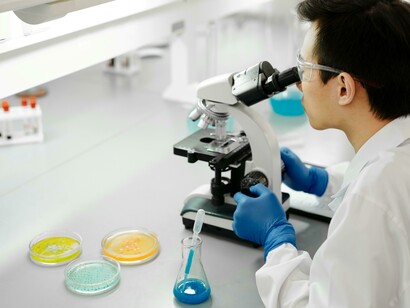
The team first coated rice with fish gelatin, a safe and edible ingredient that helps cells latch onto the rice better. Cow muscle and fat stem cells were then seeded into the rice and left to culture in the petri dish for 9 to 11 days. The resulting hybrid rice exhibits a pale pink color and possesses significantly enhanced nutritional properties. The findings of their study show that cultured beef rice has 8% more protein and 7% more fat than regular rice, making it a more complete food source that could address protein deficiencies in rice-dependent populations.
The texture and flavor profile of beef rice differ notably from conventional rice, offering sensory characteristics that reflect its hybrid nature. Compared to the typical sticky and soft texture, the hybrid rice was firmer and brittler. Hybrid rice with higher muscle content had beef- and almond-related odor compounds, while those with higher fat content had compounds corresponding to cream, butter, and coconut oil. These distinctive characteristics could make beef rice appealing to consumers seeking novel food experiences or needing convenient protein sources.
The potential applications for cultured beef rice extend far beyond everyday meals. Sohyeon Park, the first author of the study, says, "Now I see a world of possibilities for this grain-based hybrid food. It could one day serve as food relief for famine, military rations, or even space food." The compact, shelf-stable nature of rice combined with enhanced protein content makes it ideal for emergencies, long-duration space missions, or areas where traditional meat production is impractical.
The environmental benefits of beef rice could prove transformative for global food systems. Whereas beef production usually takes one to three years and rice 95 to 250 days, they say their cell culturing process took less than 10 days. This dramatic reduction in production time, combined with the elimination of animal farming requirements, could significantly reduce the carbon footprint of protein production while addressing growing global protein demands.
Glowing in the dark: bioluminescent plants
The development of glowing plants represents one of biotechnology's most visually striking achievements, transforming ordinary houseplants into natural light sources that emit a soft, ethereal glow. Bioluminescent glowing Firefly Petunia has become available to American consumers, marking the first time genetically engineered ornamental plants have entered the mainstream market. These aren't plants that merely reflect light or fluoresce under UV illumination—they actively produce their own light through biological processes, creating a continuous glow visible in darkness.
The science behind bioluminescent plants involves genetic engineering to introduce the luciferase enzyme system, the same biochemical pathway that allows fireflies to produce light. This system converts chemical energy into visible photons, creating a self-sustaining light source that requires no external power beyond the plant's normal metabolic processes. The result is a living lamp that photosynthesizes during the day and glows softly throughout the night, offering both aesthetic appeal and fascinating demonstrations of biological engineering.
Beyond aesthetics, this technology holds exciting research potential. Plant biologist Diego Orzáez from Spain uses the Firefly Petunia's underlying mechanism, the luciferase system, in his research. He envisions plants acting as biosensors, glowing in response to stress or infections, allowing farmers to receive early warnings through nighttime drone or satellite monitoring. This agricultural application could revolutionize crop management by providing real-time visual indicators of plant health, enabling farmers to address problems before they cause significant damage.
The implications of bioluminescent plant technology extend beyond novelty and agricultural monitoring. These glowing plants could serve as energy-efficient decorative lighting, reducing electricity consumption in homes and public spaces. Urban planners envision glowing trees lining streets, providing ambient lighting without power infrastructure. Researchers are working to enhance the light output and expand the color palette beyond the current greenish glow, potentially creating plants that emit different colors based on environmental conditions or programmed genetic switches.
The development of glowing plants also demonstrates how biotechnology can create products with immediate consumer appeal, helping to demystify genetic engineering and increase public acceptance. Unlike invisible traits like pest resistance, bioluminescence provides a clear, tangible demonstration of biotechnology's capabilities. This visibility could prove crucial in building public support for more controversial applications of genetic engineering in agriculture and medicine.
Purple power: biofortified superfoods
The development of highly nutritious biofortified crops represents biotechnology's direct assault on global malnutrition, with golden lettuce emerging as a particularly impressive achievement. Researchers Develop Biofortified Golden Lettuce with 30 Times More Beta Carotene, creating a vegetable that could significantly impact vitamin A deficiency, a condition affecting millions of people worldwide and causing blindness and death in children. This dramatic increase in nutritional content far exceeds what traditional breeding could achieve, demonstrating genetic engineering's unique capabilities.
The biofortification strategy employed in golden lettuce involves manipulating the biochemical pathways that produce and store beta-carotene, the orange pigment that serves as a precursor to vitamin A. Traditional lettuce produces minimal beta-carotene, but through careful genetic engineering, researchers have dramatically amplified production while ensuring the nutrient accumulates in edible portions. The resulting golden lettuce maintains the familiar texture and taste of conventional varieties while delivering exponentially more nutritional value in each serving.
Purple tomatoes represent another biofortification success story, engineered to contain high levels of anthocyanins—powerful antioxidants typically found in blueberries and other purple fruits. Purple tomatoes from Norfolk Healthy Produce have received regulatory approval and are now available to home gardeners in the United States. These deeply pigmented tomatoes offer potential health benefits, including reduced cancer risk and improved cardiovascular health, transforming an everyday vegetable into a functional food with medicinal properties.
Golden rice remains the most famous biofortified crop, designed to address vitamin A deficiency in populations dependent on rice as their staple food. By introducing three biosynthesis genes into the rice plant that allow it to synthesize beta-carotene in the edible endosperm, a biofortified rice with a golden hue was created. In 2005, a research team at Syngenta released a high-yielding golden rice strain containing 23 times more beta-carotene than the first golden rice variant. Despite regulatory challenges, golden rice demonstrates how biotechnology can directly address nutritional deficiencies through food crops.
Biofortification extends beyond vitamin A to address multiple nutritional deficiencies simultaneously. Rice lines expressing a gene that sequesters vitamin B1 in the endosperm tissues reveal that the level of vitamin B1 in rice grains increased by 3 to 4 in the modified lines. Scientists are also developing crops fortified with iron, zinc, and other essential micronutrients, creating comprehensive solutions to malnutrition that don't require dietary supplements or behavior change.
Waste warriors: extending freshness and reducing loss
Food waste represents one of the greatest inefficiencies in global food systems, with billions of tons of edible food discarded annually due to spoilage. Biotechnology is tackling this problem through innovative approaches that extend shelf life and maintain food quality. Reducing browning bananas for less waste exemplify how genetic modifications can address practical problems that affect both consumers and the food industry.
Banana varieties with improved reduced-browning characteristics have been determined as non-genetically modified organisms (GMOs) in the Philippines, demonstrating how gene editing techniques like CRISPR can make precise modifications without introducing foreign DNA. These bananas remain fresh-looking longer after bruising or cutting, reducing both consumer waste and commercial losses. The browning reduction trait involves disabling specific enzymes responsible for oxidation reactions that cause discoloration, preserving visual appeal without affecting nutritional content or flavor.
Beyond bananas, researchers have developed numerous food preservation innovations through biotechnology. Researchers at Murdoch University in Western Australia introduced a CRISPR-Cas9 system to one of the most popular potato "chipping" cultivars, Atlantic, and used it to then disrupt the genes responsible for the synthesis of chemical precursors. Their edited potatoes showed a dramatic reduction in the chemical precursors after cold storage. More importantly, chips made from these edited potato varieties had up to 80% less acrylamide, addressing both food waste and food safety concerns simultaneously.
Browning-resistant mushrooms represent another successful anti-waste innovation, using CRISPR to disable genes responsible for the rapid discoloration that makes mushrooms appear spoiled. These mushrooms maintain their appealing white appearance significantly longer than conventional varieties, extending their marketability and reducing the likelihood of disposal. The modification requires no foreign DNA insertion, making regulatory approval simpler and consumer acceptance higher.
The economic and environmental impacts of waste-reducing biotechnology could be enormous. Approximately one-third of all food produced globally goes to waste, representing not just economic losses but also wasted resources, including water, land, energy, and labor. By extending the usable life of perishable foods, biotechnology could significantly reduce waste throughout the supply chain from farm to consumer, improving food security while reducing the environmental footprint of agriculture.
Disease-resistant crops: fighting agricultural plagues
Plant diseases cause devastating losses to global agriculture, threatening food security and farmer livelihoods. Biotechnology offers powerful tools to create disease-resistant crops that can withstand previously devastating pathogens. Australia's Office of the Gene Technology Regulator issued a license to the Queensland University of Technology to commercially cultivate QCAV-4, a genetically modified variety of Cavendish banana resistant to the fungal disease Fusarium wilt tropical race 4 (TR4), also known as Panama disease. This breakthrough could save the global banana industry from collapse, as TR4 has been spreading rapidly through banana-growing regions worldwide.
The threat posed by banana diseases extends beyond a single crop variety. Researchers at Wageningen University and Research, Chiquita, KeyGene, and MusaRadix have developed a new hybrid banana plant named Yelloway One that is resistant to two of the most destructive diseases for bananas, Fusarium Tropical Race 4 and Black Sigatoka. This dual resistance addresses the two most significant threats to banana production, potentially securing this crucial food crop for millions of people who depend on it as a dietary staple.
CRISPR technology has accelerated the development of disease-resistant crops across numerous species. Using CRISPR/Cas to knock out susceptibility genes that fungi exploit, such as MLO genes in soybean and wheat, has been shown to confer resistance to powdery mildew by making the plants less susceptible to fungal infections. This approach creates resistance without requiring genes from other organisms, addressing consumer concerns about traditional genetic modification while providing effective protection.
Virus resistance represents another crucial application of biotechnology in crop protection. Scientists have developed papaya resistant to ringspot virus, cassava resistant to mosaic virus, and numerous other crops engineered to withstand viral infections that would otherwise devastate harvests. These disease-resistant varieties are particularly important for smallholder farmers in developing countries who lack access to expensive pesticides and other crop protection tools.
The development of disease-resistant crops demonstrates how biotechnology can reduce agriculture's environmental impact while improving productivity. Disease-resistant plants require fewer fungicide and pesticide applications, reducing chemical usage and associated environmental damage. This aligns perfectly with sustainable agriculture goals, showing that biotechnology and environmental stewardship are complementary rather than opposing forces.
CRISPR revolution: precision editing for better crops
CRISPR-Cas9 gene editing represents the most significant technological advancement in biotechnology since the development of recombinant DNA techniques in the 1970s. CRISPR and its applications have changed how biological research is done, enabling precise modifications to plant and animal genomes with unprecedented accuracy and efficiency. Unlike earlier genetic modification techniques that inserted foreign DNA somewhat randomly, CRISPR acts like molecular scissors, cutting DNA at specific locations and allowing researchers to make targeted changes that closely mimic natural mutations.
The agricultural applications of CRISPR span an extraordinary range of crop improvements. Pairwise made a splash in Summer 2024 when they announced the advancements they've made in developing bushy cowpea plants. Proprietary technology was used to introduce CRISPR editing tools that targeted genes responsible for plant architecture and flowering time. The resulting edited cowpea plants grew stronger vertically and flowered in sync, making mechanized harvest possible. This innovation addresses a practical farming challenge, demonstrating how precise genetic modifications can transform agricultural practices and improve efficiency.
CRISPR technology enables crop improvements that would be impossible or extremely time-consuming through traditional breeding. Scientists from Shandong Agricultural University in China used gene editing techniques to modify the fatty acid-derived volatile content and salt stress tolerance of apples. The research team overexpressed an abiotic stress gene, MdASG1, to increase the production of volatile aroma compounds in apples, which resulted in a more salt-stress-tolerant fruit. This dual improvement in both quality and resilience showcases CRISPR's ability to optimize multiple traits simultaneously.
Climate change adaptation has become a critical focus for CRISPR applications in agriculture. CRISPR technology allows precise genetic modifications to improve drought tolerance by targeting genes that regulate water use efficiency and osmotic balance. A notable breakthrough in this area is the modification of the ZmHDT103 gene, which has been shown to improve drought tolerance in maize by enhancing the plant's ability to withstand water scarcity without compromising growth and yield under non-stress conditions. Such climate-resilient crops will become increasingly crucial as weather patterns become more unpredictable and extreme.
The regulatory landscape for CRISPR-edited crops differs significantly from traditional GMOs in many countries. Gene-edited plants that do not contain foreign DNA and mimic changes possible through conventional breeding are often exempt from extensive federal regulation, particularly under USDA guidelines. This more permissive regulatory environment accelerates the path from laboratory to field, enabling faster development and deployment of improved crop varieties that could address pressing agricultural challenges.
Ocean agriculture: salt-tolerant and marine rice
The development of salt-tolerant crops represents a crucial strategy for adapting agriculture to climate change and expanding food production into marginal lands. Rice, a staple food for over half the world's population, suffers from its sensitivity to soil salinity. Factors like seawater intrusion and fertilizer overuse can worsen this issue. To combat this, Alora utilized a gene-editing technique to activate genes, making rice salt-tolerant. This innovation could enable rice cultivation in coastal areas increasingly affected by saltwater intrusion and in arid regions where soil salinity limits agricultural productivity.
The vision of ocean agriculture—growing crops directly in seawater—sounds like science fiction but is becoming a reality through sophisticated genetic engineering. This groundbreaking rice variety could significantly contribute to global food security while promoting environmental sustainability by utilizing the vast expanses of ocean that currently cannot support food production. Ocean-grown rice could dramatically reduce freshwater consumption for agriculture while opening up entirely new growing areas that don't compete with terrestrial ecosystems.
Salt tolerance mechanisms involve complex genetic modifications that enable plants to manage sodium and chloride ions without suffering toxic effects. Researchers have identified and manipulated multiple genes controlling ion transport, osmotic adjustment, and stress response pathways. Oxidative stress response is vital for plant adaptation to salt stress. MYB transcription factors regulate ion homeostasis and control reactive oxygen species levels during salt stress. Editing these transcription factors with CRISPR/Cas9 can accelerate a plant's ability to manage oxidative stress, thereby improving overall salt tolerance.
The broader implications of salt-tolerant crops extend beyond rice to include vegetables, grains, and other essential food crops. As climate change progresses and freshwater becomes scarcer, the ability to grow food with saltwater or on saline soils could prove essential for maintaining global food security. These crops could reclaim millions of acres of land currently unsuitable for agriculture while reducing pressure on freshwater resources that are increasingly scarce in many regions.
Salt-tolerant crops also offer solutions for farmers dealing with declining soil quality due to irrigation practices that gradually increase salt concentrations. Rather than abandoning salinized fields, farmers could transition to salt-tolerant varieties that thrive in conditions that would kill conventional crops. This agricultural adaptation strategy could prove crucial for maintaining food production in regions where climate change and water scarcity are intensifying salinity problems.
Piggy soybeans and protein alternatives
The quest for sustainable protein sources has driven some of biotechnology's most creative innovations, including plants engineered to produce animal proteins. Piggy Sooy, soybeans with high levels of pork protein, represents an audacious approach to producing meat alternatives—rather than trying to make plant proteins taste like meat, these soybeans actually produce animal proteins directly within their seeds. This biotechnological alchemy could revolutionize protein production by combining the efficiency of plant agriculture with the nutritional profile and familiar taste of animal proteins.
The development of hybrid plant-animal foods reflects growing recognition that sustainable food systems require radical innovation beyond incremental improvements. Traditional plant-based meat alternatives attempt to replicate meat's taste and texture using processed plant ingredients, but soybeans that produce actual animal proteins offer a more direct solution. By engineering plants to synthesize specific animal proteins, researchers bypass the inefficiencies of animal agriculture while delivering authentic animal-derived nutrition.
Cultured meat technologies complement plant-based approaches by growing animal cells in controlled environments without raising entire animals. Using the same technology to grow tissues and organs for biomedical purposes, the New Harvest team is working on developing methods to culture animal cells into edible meat for human consumption. Through partnerships with academic groups around the world, New Harvest is supporting research on a range of products, including beef, chicken, turkey, milk, eggs, and pork. These cellular agriculture approaches could eventually produce meat products indistinguishable from conventional meat but with dramatically lower environmental impacts.
The economic and environmental case for alternative proteins continues to strengthen as the scale of conventional animal agriculture's impacts becomes clearer. Meat production accounts for significant portions of global greenhouse gas emissions, water consumption, and land use. Alternative protein technologies—whether plant-based, cell-cultured, or hybrid approaches—offer pathways to meet growing protein demands without proportionally increasing environmental damage. The challenge lies in making these alternatives cost-competitive and appealing to consumers accustomed to traditional meat.
Consumer acceptance of alternative proteins varies widely across cultures and demographics, with younger generations generally more open to novel protein sources. Products like beef rice and protein-producing plants may face less consumer resistance than purely synthetic alternatives because they maintain connections to familiar foods while offering enhanced sustainability. Marketing strategies emphasize environmental benefits, health advantages, and innovation rather than focusing solely on animal welfare concerns that resonate with some but not all consumers.
Climate-resilient agriculture: engineering for extreme weather
Climate change presents unprecedented challenges to global agriculture, with rising temperatures, erratic rainfall, and extreme weather events threatening crop yields worldwide. Biotechnology offers powerful tools for developing climate-resilient crops that maintain productivity under stress conditions. CRISPR-Cas technology has been harnessed to enhance the resilience and nutritional content of various crops by combatting biotic and abiotic stresses, addressing multiple challenges simultaneously through precise genetic modifications.
Drought tolerance represents one of the most critical traits for climate adaptation, as water scarcity affects agriculture across vast regions. Another promising application of CRISPR technology in combating drought stress involves engineering the TaRPK1 gene in wheat to enhance water absorption, improving the plant's ability to extract moisture from soil and maintain growth during dry periods. These modifications don't just help crops survive drought—they enable continued productivity that maintains food supplies and farmer incomes during water-scarce periods.
Heat tolerance is becoming increasingly important as global temperatures rise and extreme heat events become more frequent. Researchers are identifying and manipulating genes that control cellular responses to heat stress, enabling crops to maintain photosynthesis and reproduction at higher temperatures. These modifications could prove essential for maintaining agricultural productivity in tropical and subtropical regions where temperatures are approaching the physiological limits of current crop varieties.
Flood tolerance represents the opposite challenge, with excessive water causing crop losses in many regions experiencing more intense rainfall events. Scientists have developed rice varieties that can survive complete submergence for extended periods by entering a kind of metabolic hibernation that preserves energy until water recedes. Similar approaches are being applied to other crops vulnerable to flooding, providing options for farmers dealing with increasingly unpredictable precipitation patterns.
By harnessing this technology, smallholder farmers can benefit from growing climate-resilient crops with improved yields and stress resistance, thereby contributing to food security and sustainable agriculture on the continent. This democratization of climate adaptation technology could prove especially crucial in developing regions where farmers lack resources to adapt through infrastructure investments or crop insurance programs. Biotechnology offers biological solutions that work anywhere the crops can grow, regardless of economic development level.
Future frontiers: what's next in wild biotechnology
The pace of biotechnological innovation continues accelerating, with new capabilities and applications emerging constantly. Prime editing, an advanced form of CRISPR that enables more precise modifications, including insertions and replacements rather than just deletions, promises even greater control over genetic modifications. Recent advancements, such as prime editing and base editing, have further refined the precision and scope of CRISPR/Cas systems, expanding possibilities for crop improvement beyond current applications.
Synthetic biology represents the next frontier beyond gene editing, involving the design and construction of entirely new biological systems rather than modifying existing ones. Researchers envision crops with entirely synthetic metabolic pathways that produce novel compounds, plants that communicate with farmers through molecular signals, and agricultural systems that self-optimize based on environmental conditions. These approaches treat biology as an engineering discipline where living systems can be designed to specification rather than simply modified from natural templates.
Machine learning adds another layer of innovation by exponentially enhancing CRISPR's potential for precise genome modifications. ML models can address challenges in CRISPR genome editing by analyzing large datasets from CRISPR experiments to predict the most effective guide RNA sequences, thereby enhancing the precision of the Cas9 enzyme and reducing unintended consequences. This convergence of biotechnology and artificial intelligence could dramatically accelerate crop improvement by optimizing editing strategies and predicting phenotypic outcomes before conducting experiments.
Epigenetic modifications—changes in gene expression without altering underlying DNA sequences—offer additional avenues for crop improvement. These modifications can be heritable while remaining reversible, providing flexibility that traditional genetic changes lack. Researchers are developing techniques to precisely control epigenetic states, enabling dynamic responses to environmental conditions and potentially allowing single crop varieties to optimize their characteristics for different growing environments.
Multi-trait engineering represents an increasingly sophisticated approach where multiple beneficial modifications are combined in a single crop variety. Rather than improving one characteristic at a time, researchers are simultaneously enhancing yield, nutrition, disease resistance, and climate resilience. These comprehensive improvements could deliver step changes in agricultural productivity rather than incremental gains, potentially addressing multiple global challenges through integrated solutions.
Conclusion: embracing the wild future
Biotechnology's wild side represents far more than scientific curiosities or technological showpieces—these innovations address fundamental challenges facing humanity, including food security, climate change, and sustainable development. From rice containing beef cells to plants that glow in darkness, from bananas that don't brown to crops that thrive in saltwater, biotechnology is reimagining what's possible in agriculture and food production. These breakthroughs demonstrate that when scientific creativity combines with practical problem-solving, the results can be simultaneously revolutionary and implementable.
The trajectory of biotechnological innovation shows no signs of slowing, with each breakthrough enabling new possibilities and applications. CRISPR and related technologies have democratized genetic engineering, making precise modifications accessible to researchers worldwide and accelerating the pace of discovery. The convergence of biotechnology with artificial intelligence, nanotechnology, and synthetic biology promises even more remarkable innovations in coming years, potentially delivering solutions to problems we haven't yet imagined.
Consumer acceptance and regulatory frameworks will ultimately determine how quickly these wild biotechnological innovations transform everyday life. Products like glowing petunias and purple tomatoes that provide visible, tangible benefits may help overcome public skepticism about genetic engineering. As more people experience biotechnology's positive impacts directly—whether through more nutritious foods, reduced environmental footprints, or enhanced food security—support for continued innovation may grow. The wild side of biotechnology invites us to reconsider what's natural, what's possible, and how science can help build a more sustainable and food-secure future for all.