English
 Español
 Français
 Deutsch
 Italiano
 Português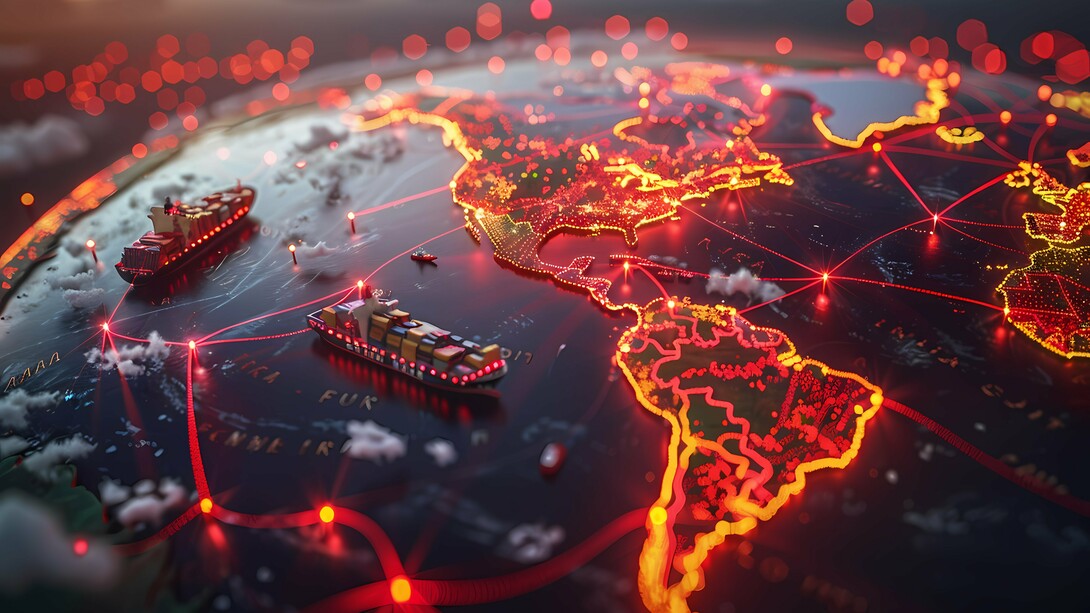
Growing trade barriers, conflicts, and increased policy uncertainty are the main causes of the slowdown in global growth. Most economies are predicted to slow down, and growth is predicted to drop to its lowest level since the global recession of 2008. The global picture will continue to be dominated by the negative risks associated with the ongoing conflicts around the world. Global demand could be weakened by additional trade, investment, and confidence suppression brought on by ongoing trade policy uncertainties and rekindled hostilities.
Worldwide financial and oil markets have been disrupted by the US-Israeli war on Iran and Tehran's retaliation attacks throughout the Gulf, sparking fears of a worldwide economic crisis and possibly a recession. This is an excellent illustration of how massive economies collapse as a result of unresolved disputes, particularly when the biggest oil producers in the world are directly involved.
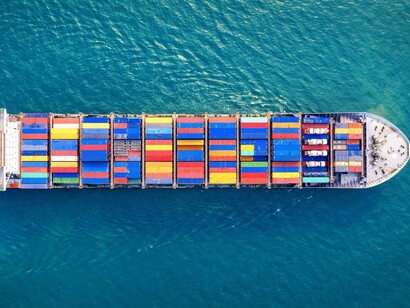
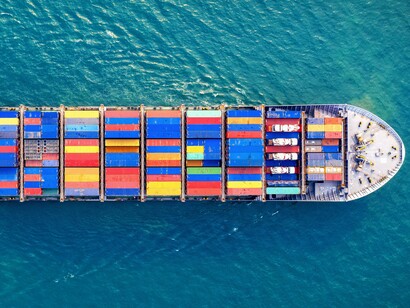
Iranian strikes on a number of ships traveling through the Strait of Hormuz have also significantly decreased traffic in the tiny route, which is used by around 20% of the world's oil and gas supply, as economic tensions rise globally. Oil prices have skyrocketed as a result of all of this. At one point, the industry benchmark, Brent crude, was quoted at $106 per barrel, up almost 40% from $72.
When Middle East conflicts are not managed effectively, the price of liquefied natural gas (LNG) increases dramatically, often by more than 60%. If energy flows from the Middle East to Africa, Asia, and Europe, particularly through the Strait of Hormuz, continue to be disrupted, prices of refined goods like gasoline, oil, jet kerosene, and fuel oil will also rise significantly. This is particularly important because, according to data from the US Energy Information Administration, 84% of the crude oil and 83% of the LNG that crossed the strait in 2024 were headed for Asia.
Disruptions to the supply of commodities that the region's economy exports to the rest of the globe are the main threats. Chokepoints that were previously concealed often come to light during crises like this one. For instance, nearly 40% of the helium used to create semiconductors is generated in Qatar. The region is also a significant producer of ammonia and nitrogen, which are key ingredients in many synthetic fertilizer products. The real transmission channel, though, is energy.
The macroeconomic impact will ultimately depend on the magnitude and duration of the energy shock. Inflation is probably going to be the primary transmission mechanism for economies that import energy. Increased import costs for consumers and businesses result from rising oil and gas prices, which squeeze real incomes and reduce purchasing power.
Recent signals provide some hope that the conflict may not last long. If so, and provided there is no lasting damage to energy production facilities, the recent spike in oil prices to above $100 per barrel would likely prove temporary, allowing most advanced economies to absorb the shock without significant disruption. Inflation in Europe and Asia in 2026 would probably only be 0.5 percentage points higher than pre-conflict projections as oil prices decline. In this case, the impact on real GDP growth would be negligible and central bank policies would essentially stay the same.
Although the US economy would do better, growth would nevertheless slow. The subsequent increase in inflation would probably compel central banks to change their policies notwithstanding the poorer economic prospects. While the European Central Bank may decide to raise interest rates, the Federal Reserve may decide to stop cutting rates.
Even yet, this shock would not be as severe as the one that followed Russia's full-scale invasion of Ukraine, when Europe's energy supplies were suddenly and dramatically disrupted. Large-scale budgetary rescue packages from governments are unlikely to be prompted by the current conflict unless it intensifies significantly.
Government subsidies mitigate the impact of rising energy prices in a number of emerging nations. In these situations, the first cost rise would fall on the state rather than on households and companies. In the short run, this will lessen the impact on GDP, but it will result in poorer public finances.
The International Energy Agency (IEA) claims that the Iran conflict has already caused the "largest supply disruption in the history of the global oil market" in less than two weeks. The Strait of Hormuz handled almost twenty million barrels of oil and petroleum products every day prior to the war. Brent crude oil has surged above $100 per barrel, up from roughly $65 when tensions between the United States and Iran began heating up in February 2026.
Ultimately, the oil crisis will be over only when traffic through the strait resumes. Washington is left with two unappealing options: either escalate the conflict further, risking the loss of naval vessels and even deploying ground forces, or convince Tehran to reopen the strait, which will require making difficult sacrifices. The United States is still tightly linked to the world oil market despite its rise to prominence as an energy superpower.