English
 Español
 Français
 Deutsch
 Italiano
 Português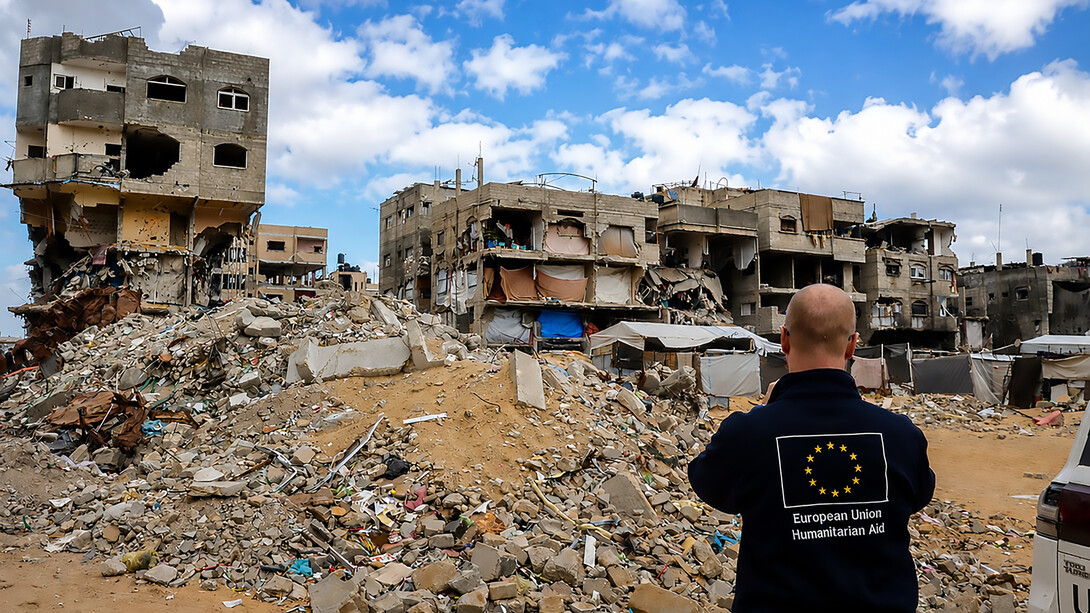
The conflict between Israel and the Palestinians has long been one of the most complex, controversial, and closely followed disputes in modern history. Decades of political disagreements, territorial claims, security concerns, and cycles of violence have contributed to a conflict that continues to affect millions of people. Following the escalation of hostilities after the October 7, 2023, attacks, international attention has increasingly focused on allegations of war crimes, the humanitarian situation in Gaza, civilian casualties, and the treatment of Palestinian prisoners held by Israeli authorities. These issues have become central to global discussions about accountability, human rights, and the application of international law during armed conflict.
One of the most significant concerns raised by international organisations relates to the conduct of military operations in Gaza. Human rights groups, including Amnesty International and Human Rights Watch, have documented allegations that some military actions may have violated international humanitarian law. Reports have highlighted concerns about disproportionate attacks, extensive destruction of civilian infrastructure, damage to hospitals, schools, and residential areas, and restrictions affecting the delivery of humanitarian assistance. Critics argue that the scale of destruction and the large number of civilian casualties require independent investigations to determine whether international legal standards have been breached.
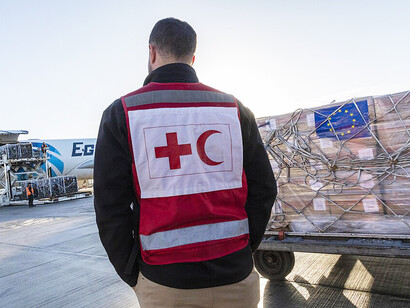
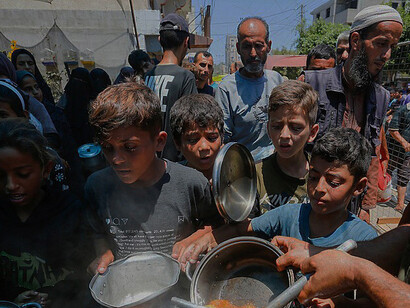
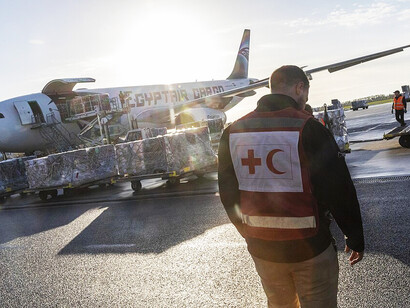
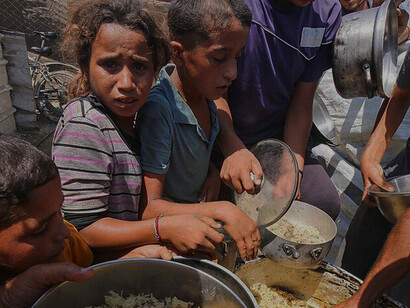
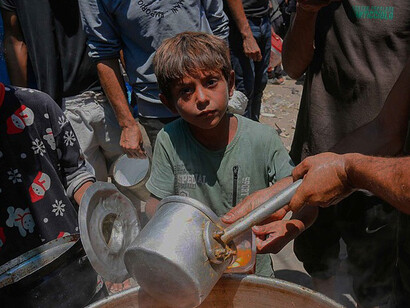
The humanitarian situation in Gaza has also attracted widespread concern from governments, aid organisations, and United Nations officials. Humanitarian agencies have warned about shortages of food, clean water, medical supplies, fuel, and shelter. Large numbers of civilians have been displaced by the fighting, while healthcare systems have faced severe strain. International observers have emphasised that all parties involved in the conflict have obligations under international law to protect civilians and facilitate access to humanitarian assistance. Many organisations have called for greater protection of noncombatants and improved conditions for aid delivery.
International legal institutions have become increasingly involved in examining allegations related to the conflict. The International Criminal Court (ICC) has continued investigations into alleged crimes committed by all parties, including Israeli officials and Palestinian armed groups. Supporters of these investigations argue that accountability is essential for maintaining respect for international law and preventing future abuses. They contend that impartial legal scrutiny can help ensure that civilian populations are protected during armed conflicts. Israeli officials, however, have challenged many of the allegations and questioned aspects of the legal processes involved. They maintain that military operations are directed against armed groups rather than civilians and emphasise the security challenges posed by combat in densely populated urban environments.
Another major area of controversy concerns the treatment of Palestinian detainees and prisoners in Israeli custody. Human rights organisations have reported allegations of mistreatment within detention facilities, including claims of physical abuse, inadequate medical care, poor living conditions, insufficient nutrition, and restrictions on communication with family members. Former detainees and advocacy groups have described experiences involving prolonged interrogations, administrative detention, and limited access to legal representation. These reports have prompted calls for greater transparency and independent monitoring of detention conditions.
The issue of prisoner treatment has generated significant international criticism. Human rights advocates argue that all detainees, regardless of the accusations against them, must be treated in accordance with international human rights standards and the Geneva Conventions. Particular concern has been expressed regarding reports of deaths in custody and allegations of abuse that organisations say require impartial investigation. Advocates emphasise that respect for detainee rights is a fundamental legal and ethical obligation, especially during periods of conflict and heightened security tensions.
Israeli authorities have rejected many allegations of systematic abuse. Government officials state that detention facilities operate under legal oversight and that complaints are reviewed when credible evidence is presented. They argue that many detainees are suspected of involvement in militant activities and that strict security measures are necessary to prevent violence and protect public safety. Israeli officials also maintain that the country’s legal institutions provide mechanisms for oversight and accountability.
Debate has intensified further regarding proposed legal measures affecting individuals accused of participating in attacks against Israeli civilians. Supporters of tougher legislation argue that those responsible for mass violence should face severe legal consequences. They believe that strong penalties serve both as punishment and deterrence and reflect the seriousness of crimes targeting civilians. Advocates of these measures contend that governments have a responsibility to respond firmly to acts of terrorism and large-scale violence.
Critics, however, express concern that some proposed legal changes could weaken due process protections and increase the possibility of unfair trials. Human rights organisations have warned that expanded powers for military courts or harsher sentencing policies could disproportionately affect Palestinian detainees. They argue that any legal proceedings must comply with internationally recognised standards of fairness, transparency, judicial independence, and the right to a fair defence.
In conclusion, allegations of war crimes, concerns about humanitarian conditions, questions regarding prisoner treatment, and debates over legal reforms have become central issues in discussions about the Israeli–Palestinian conflict. While supporters and critics of various policies offer sharply different perspectives, there is broad agreement among many international observers that protecting civilians, ensuring accountability, and respecting human rights remain essential principles. As investigations and diplomatic efforts continue, these issues are likely to remain at the forefront of international debate surrounding one of the world’s most enduring and sensitive conflicts.