English
 Español
 Français
 Deutsch
 Italiano
 Português
First impressions have always mattered, but in 2026, they carry a slightly different meaning. Today’s workplaces are more flexible and more diverse in culture than ever before. Because of this, interview attire is no longer about strictly following old-fashioned rules but about presenting yourself as thoughtful, confident, and aligned with the company you are hoping to join. What you wear should communicate that you understand the environment you are stepping into, while also helping you feel comfortable and self-assured.
Understanding the company’s culture
One of the most important steps before choosing your outfit is understanding the company’s culture. A corporate law firm will expect something very different from a startup or a creative agency. Taking time to browse the company’s website, LinkedIn profiles, or even employee photos can give you subtle clues about what is considered appropriate. When you align your outfit with the company’s vibe, you show that you have done your research and that you can fit into their professional environment without losing your individuality.
In recent years, the idea of dressing for interviews has shifted toward a more balanced approach. Wearing a full formal suit is no longer always necessary, especially in industries like tech or media. At the same time, showing up too casually can make it seem like you are not taking the opportunity seriously. The goal in 2026 is to look polished without appearing overdressed. Clean lines, well-fitted clothing, and neutral colours often work best because they create a professional appearance without drawing unnecessary attention.
Understanding the job’s role
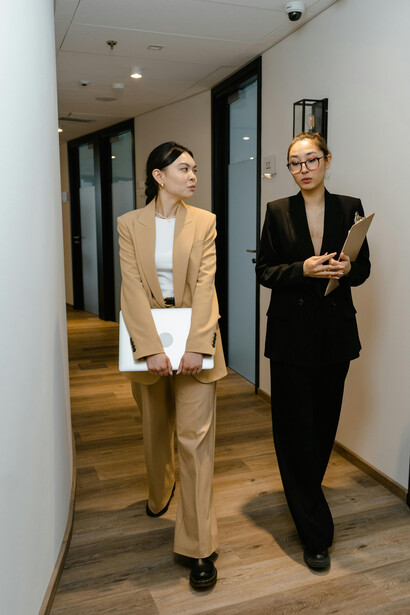
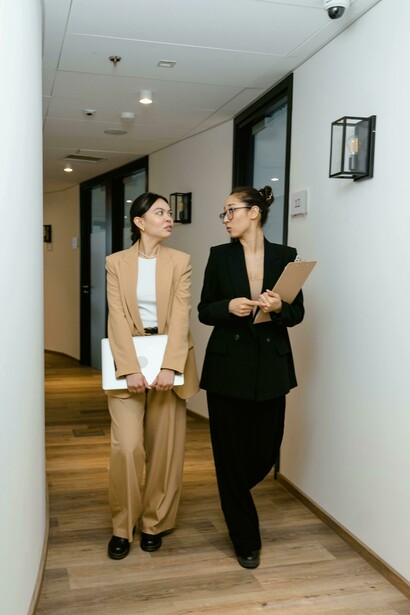
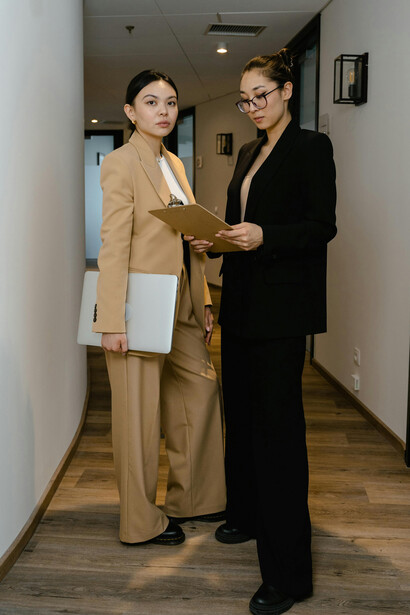
For women, interview outfits can vary depending on the role, but the key is to combine simplicity with structure. A tailored blazer paired with trousers or a modest skirt creates a strong and confident look for more formal roles. In less formal settings, a neat blouse with structured pants or even dark jeans can strike the right balance between professional and modern. In creative industries, there is more room for personal expression, but it is still important to keep the overall look cohesive and not overly distracting. The aim is to let your personality show without overshadowing your qualifications.
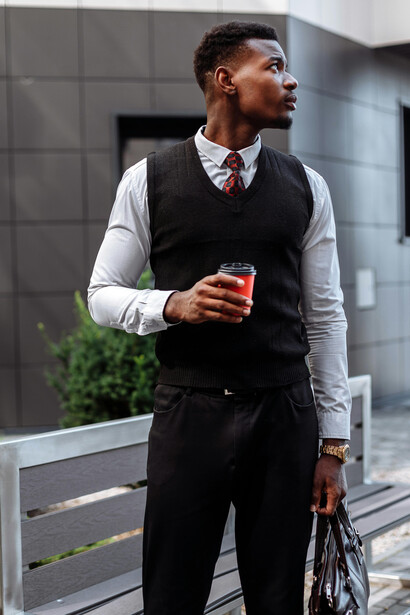
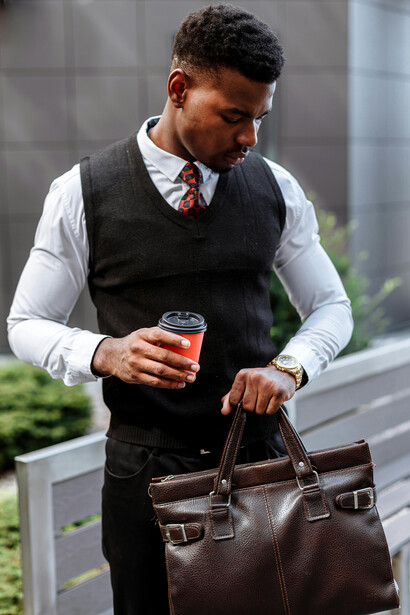
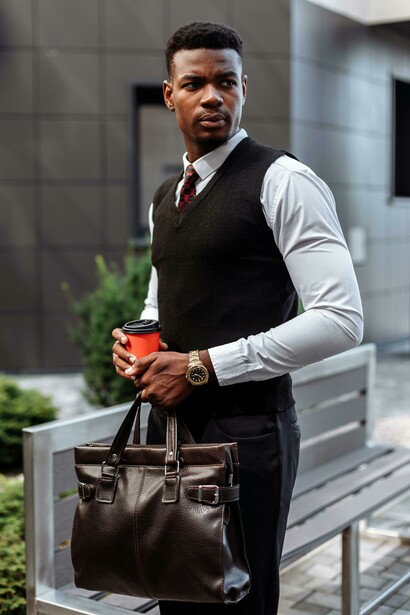
Men also have a range of options depending on the workplace. In traditional environments, a well-fitted suit in neutral tones like navy or grey remains a safe and effective choice. However, in more relaxed industries, tailored trousers paired with a button-down shirt or even a polo can look both professional and approachable. Adding a blazer can elevate the outfit without making it feel too formal. The emphasis should always be on fit and cleanliness, as these details make a significant difference in how polished you appear.
Consider a virtual setup
Virtual interviews have become a standard part of the hiring process, and they come with their own set of considerations. While it might be tempting to only focus on the top half of your outfit, dressing fully can actually improve your mindset and confidence. On camera, solid colours tend to work better than busy patterns, and choosing something that contrasts with your background helps you stand out clearly. Even though the setting is more relaxed, maintaining a professional appearance shows respect for the interviewer and the process.
Colour choices and fittings matter.
Colour choices also play a subtle but important role in how you are perceived. Neutral tones like navy, black, white, and beige are popular because they convey reliability and professionalism. Bright or flashy colours can sometimes be distracting, especially in formal settings. The idea is not to eliminate colour entirely, but to use it thoughtfully so that it enhances your appearance rather than overpowering it.
Beyond clothing, grooming, and overall presentation are equally important. Wrinkle-free clothes, neat hair, and minimal accessories can make a strong positive impression. Small details, such as clean shoes or well-maintained nails, often go unnoticed when done right but can stand out immediately if neglected. The goal is to appear put-together naturally and effortlessly, rather than overly styled.
Another factor that is often underestimated is fit. Even the most expensive outfit can look unprofessional if it doesn’t fit properly. Clothes that are too tight or too loose can make you feel uncomfortable, and that discomfort can affect your confidence during the interview. Well-fitted clothing, on the other hand, enhances your posture and helps you feel more at ease, allowing you to focus on the conversation instead of adjusting your outfit.
It is also important to be mindful of what to avoid. Overly casual items like flip-flops, heavily wrinkled clothing, or outfits with large logos can create the wrong impression. Strong perfumes or excessive accessories can also be distracting. Interview attire should never compete with your personality; it should support it. Simplicity and attention to detail usually go much further than trying to make a bold statement.
Final words
Ultimately, the most important aspect of what you wear is how it makes you feel. Confidence often comes from feeling comfortable and prepared, and the right outfit can contribute significantly to that mindset. When you know you look professional and appropriate for the setting, it becomes easier to focus on communicating your skills, experiences, and enthusiasm for the role.
In a modern and evolving job market, there is no single “perfect” interview outfit. Instead, there are thoughtful choices that reflect awareness, effort, and self-confidence. By understanding the company, choosing well-fitted and appropriate clothing, and paying attention to the details, you can create a look that supports your success. While your qualifications and personality are what truly matter, the right outfit helps ensure that your first impression is a strong and positive one.