English
 Español
 Français
 Deutsch
 Italiano
 Português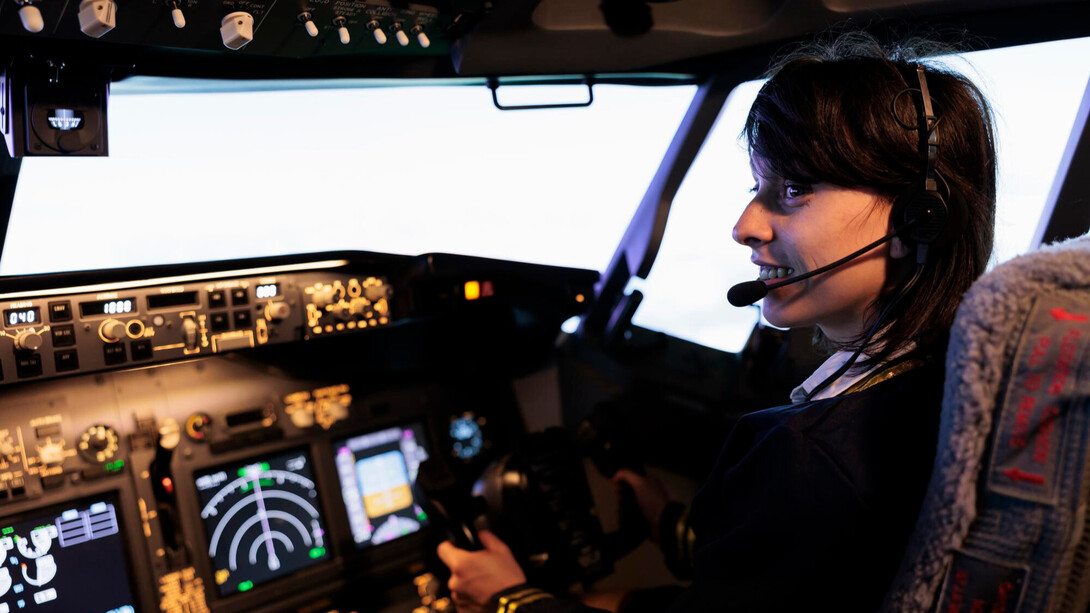
By definition, aviation is the flying or operating of aircraft. Aviation includes the activities surrounding mechanical flight and the aviation industry at large.
In contrast, aircraft include fixed-wing and rotary-wing types, morphable wings, wingless lifting bodies, along with lighter-than-air aircraft such as hot air balloons and airships.
Aviation and aircraft are two different things. Aviation refers to the operation of aircraft within Earth’s atmosphere, such as commercial airlines, private airplanes, and military aircraft. Aircraft is a broad term to describe any machine capable of flying, including airplanes, helicopters, and drones.
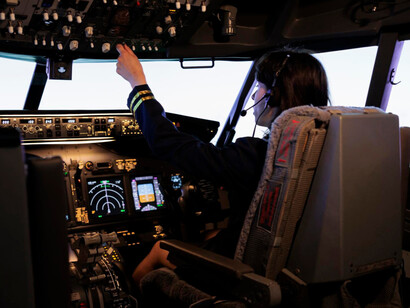
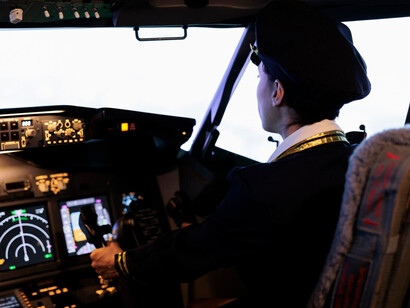
For the longest time, aviation has been a male-dominated industry. However, women have been stepping into important roles in aviation, such as pilots, leaders, and innovators, around the world.
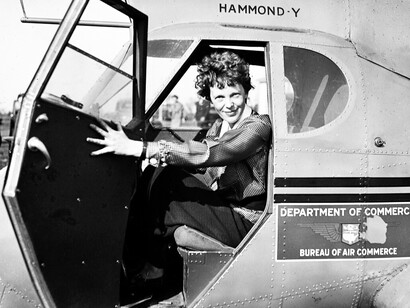
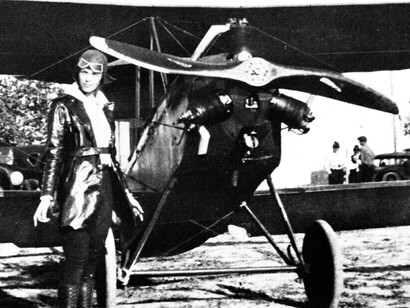
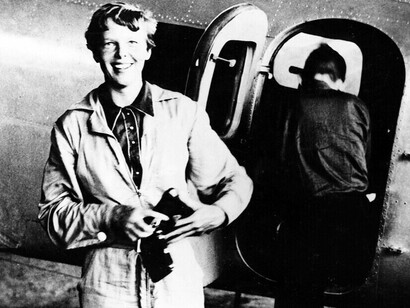
We’ve come a long way since Amelia Earhart, an American aviation pioneer from Atchison, Kansas, became the first woman to fly solo across North America and back in 1928. Earhart, 39, died in 1937 after attempting to become the first female pilot to circumnavigate the world.
Since Earnhart’s tragic death, more women have been choosing aviation careers. Aviation has had its fair share of struggles in attracting and retaining women due to factors such as a negative workplace culture, a low number of female role models, and negative career experiences.
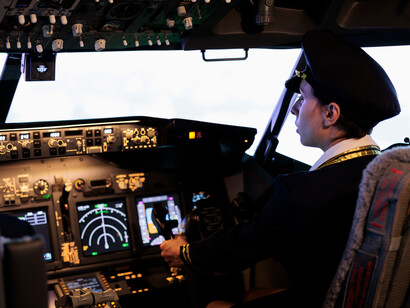
During the last 20 years, the number of women in the aviation industry has steadily increased, as women can be found in virtually any aviation career today. Still, just 10% of female pilots make up the pilot career path, and female aircraft maintenance technicians (AMTs) are in the single digits.
According to an International Aviation Women’s Association (IAWA) study, only 32% of women agreed that their senior leadership was committed to increasing the number of women in leadership roles.
If business leaders are serious about advancing women in aviation, businesses must hire and retain more female role models in leadership and ensure a strong and visible commitment to diversity, equity, and inclusion (DEI) from leaders.
United States-based businesses may face an uphill battle due to the Trump administration and MAGA believing in Executive Order 14151 titled “Ending Radical and Wasteful Government DEI Programs and Preferences,” effective January 20, 2025.
However, U.S.-based business owners can observe gender equality. Business owners can understand the elements of DEI to advise decision-making, strategy, and program planning. Regardless of one’s political views, women are disproportionately pushed out of aviation due to a less inclusive workplace culture. IAWA’s study found that 59% of the women surveyed considered leaving aviation, while men often left aviation jobs for better opportunities.
Research confirmed that gender bias, discrimination, and sexual harassment are significant issues in aviation.
According to a survey of Women in Aviation International (WAI) members, 62% of the survey respondents said that sexual harassment remains a significant issue in the aviation industry. 71% stated that they experienced sexual harassment in the workplace or another professional setting.
Federal Aviation Administration (FAA) medical examinations often lead to underreported sexual abuse due to unwarranted breast and pelvic examinations and skin checks that require removing clothing.
The effects of these unacceptable violations can be life-changing to women in aviation. Similar but different, the emotional and graphic testimony provided by the USA gymnastics team, Michigan State athletes, and family friend Kyle Stephens surrounding former doctor and athletic trainer Larry Nassar’s medical examinations, unwanted touches, and bribes.
Despite the potential negative effects of sexism in aviation, women shouldn’t worry about the aviation industry. Any woman, whether cisgender, non-binary, or queer, can choose an aviation career, despite the current political climate and any misogynistic naysayers. A woman’s work can include aircraft, aircraft parts, and airports.
From working as a snack bar attendant preparing food and drinks to assisting passengers as a flight attendant, women can work at an airport or for an airline.
Aside from the necessary studying, training, and applying for jobs, a woman can benefit from taking on different roles, advocating for themself, and seeking mentorship and networking opportunities.
There are a wide variety of aviation organizations, including Women in Corporate Aviation, Women in Aviation International, and A-WING, dedicated to creating career paths for women interested in pursuing a career in aviation or aerospace. These organizations also offer scholarships, mentorship programs, and networking opportunities to help women navigate an often male-dominated industry, especially if they’re in their late teens or early 20s.
For women who want to break barriers in aviation, the career paths extend to aircraft maintenance technician, air traffic controller, aerospace engineer, aviation safety inspector, aerospace sales representative, aviation meteorologist, and commercial pilot. All seven career paths hold a world of opportunities waiting to be explored.
The aviation industry is on the leading edge of safety, innovation, and profitability. In the end, a woman’s love for aviation won’t be ignored due to a constantly improving society for all.