English
 Español
 Français
 Deutsch
 Italiano
 Português
When we hear the term "political economy," it may sound academic or distant from everyday life. But in reality, it shapes almost everything around us—our jobs, the prices we pay in markets, the quality of our roads and hospitals, and even the opportunities available to future generations. Political economy is simply the relationship between politics and economics: how governments make decisions about money and resources and how those decisions affect people’s lives.
Every country operates through a connection between three main forces: the government, the market, and the people. The government makes laws, collects taxes, and decides how to spend public money. Businesses and markets create goods, services, and employment. Citizens work, vote, pay taxes, and demand services. When these three forces work together in balance, a country moves forward. But when one dominates unfairly or fails to perform its role, problems begin to appear.
One of the clearest impacts of political economy is on economic growth. Imagine a country where policies are stable, corruption is low, and investors feel secure. Businesses are more willing to invest, open factories, and create jobs. As employment increases, people earn more and spend more, and the economy grows. On the other hand, if policies change frequently, corruption is widespread, or political conflict creates uncertainty, businesses hesitate to invest. This slows development and increases unemployment. In this way, political decisions directly influence economic progress.
Another important impact is income inequality. Government policies on taxation, subsidies, and public spending determine how wealth is distributed. If leaders prioritize education, healthcare, and social safety programs, they can reduce the gap between rich and poor. This creates a more stable and united society. However, if policies mainly benefit powerful groups or large corporations, ordinary citizens may feel left behind. Over time, inequality can create frustration, anger, and social unrest. We have seen in many countries that economic injustice often leads to political instability.
Employment opportunities are also shaped by political economy. Decisions about labor laws, minimum wages, trade agreements, and industrial policy affect how many jobs are created and what kind of jobs they are. For example, investing in education and vocational training prepares young people for modern industries. Supporting small businesses encourages entrepreneurship. But ignoring workforce development can leave many people unemployed or stuck in low-paying jobs. In today’s world, where technology is rapidly changing industries, political leadership plays a key role in helping workers adapt.
Political economy also influences how a country connects with the global community. Governments decide whether to encourage free trade or protect local industries through tariffs and regulations. Opening markets can bring foreign investment and new technology, boosting growth. However, too much dependence on external markets can make a country vulnerable to global crises. Therefore, leaders must carefully balance national interests with global integration. These choices are political, but their effects are deeply economic.
Corruption is another powerful factor. When public money is misused, the entire country suffers. Funds meant for schools, hospitals, or infrastructure may disappear into private pockets. This not only slows development but also destroys public trust. When citizens lose faith in institutions, social cohesion weakens. On the other hand, transparent governance and accountability build confidence. People are more willing to pay taxes and participate in civic life when they believe the system is fair.
The political economy also shapes everyday public services. Think about clean water, electricity, public transportation, and healthcare. These are not just technical matters—they depend on budget decisions and political priorities. A government that invests wisely in infrastructure and social welfare improves the quality of life for its citizens. A government that neglects these areas risks long-term damage to both society and the economy.
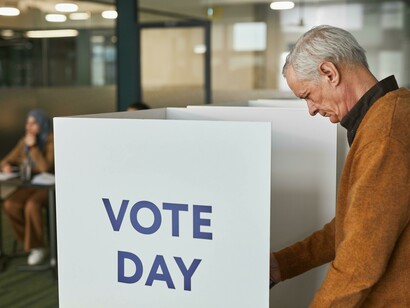
Ultimately, political economy is about choices. Leaders decide how resources are allocated, whose voices are heard, and which sectors receive support. Citizens influence these choices through voting, activism, and public debate. In a healthy system, there is transparency, accountability, and a focus on long-term national development rather than short-term political gain.
In conclusion, political economy is not an abstract theory—it is the foundation of a country’s progress or decline. It shapes economic growth, social equality, employment, governance, and global relations. When managed responsibly, it can create opportunity, stability, and prosperity. When mismanaged, it can deepen inequality and division. Understanding political economy helps us see that the future of a nation depends not only on economic resources but also on the political decisions that guide how those resources are used.
It also reminds us that ordinary citizens are not passive observers in this process. Public awareness, participation, and accountability can influence how decisions are made and carried out. When people stay informed and engaged, they can push for fairer policies and stronger governance. In this sense, political economy is not only about leaders and institutions—but it is also about the collective power of society to shape its own future.