English
 Español
 Français
 Deutsch
 Italiano
 Português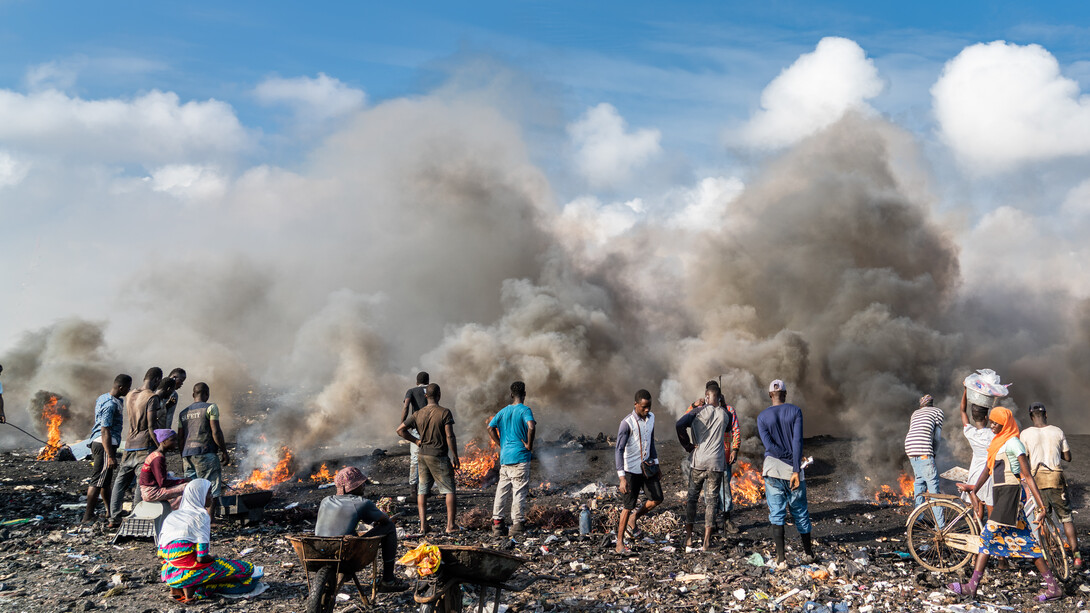
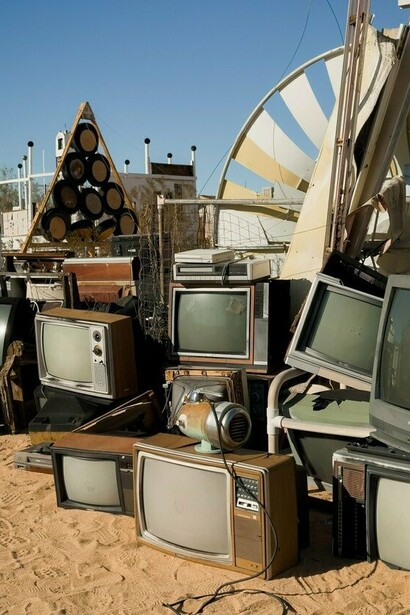
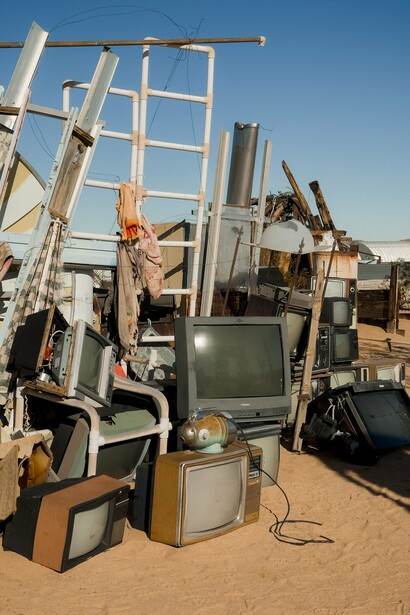
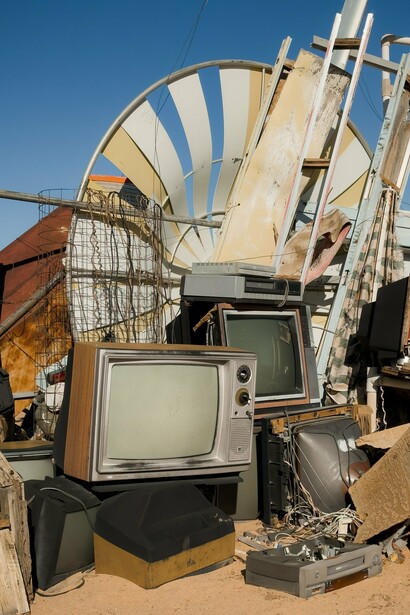
Electronic waste, commonly abbreviated to 'e-waste', has become one of the most complicated environmental and economic narratives playing out in Africa. From dumped smartphones and dismantled televisions to old computers and jumbled cords, the continent has gradually been on the other end of the digital remnants of the world. Although the problem can be easily emphasised as a mere dumping problem, the situation is complex, based on global economics, local demand, lax regulations, and survival imperatives on the ground.
The key emblem of the e-waste flow to Africa is a strong economic skew. The electronic waste generated by developed countries is immense as every year consumers upgrade devices at very high rates. Recycling properly in these nations is costly since there are stringent environmental policies and labour expenses. The cost of exporting used electronics, commonly referred to as second-hand goods, becomes a cheaper option. It is here that Africa comes in. A lot of deliveries that reach ports in such countries as Ghana, Nigeria, and Kenya are reported to be reusable electronics. Nonetheless, a considerable percentage is either ineffective or at the expiry of its usefulness, and it practically converts these imports into garbage.
The international system that was to govern this trade, especially the Basel Convention, was formulated to check the flow of the hazardous waste between the developed and the developing countries. Yet loopholes remain. The exporters usually categorise the shipments as donations or resale items and therefore avoid the tight restrictions. On both the exporting and importing sides, there is inconsistency in enforcing it and it is hard to completely stop the flow.
Governments of Africa have reacted differently, which is an indication of disparities in capacity, political will and economic priorities.
There are countries that have implemented a law to regulate imports and enhance local waste management. An example is the policies that are consistent with extended producer responsibility (EPR), which are slowly being developed, whereby manufacturers and importers are required to manage the lifecycle of their products. The need to adopt sustainable waste management practices has also started to gain momentum within regional institutions like the African Union in a wider environmental and economic agenda.
In Kenya, some of the initiatives have involved writing e-waste laws and promoting formal recycling processes. Rwanda has gone a step further to be more centralised and invested in a state-of-the-art e-waste recycling facility. Ghana, where the notorious Agbogbloshie site is located, has enacted legislation to address imports and enhance recycling quality. Although these are being done, implementation is usually behind policy because of the lack of resources, corruption and sheer size of the problem.
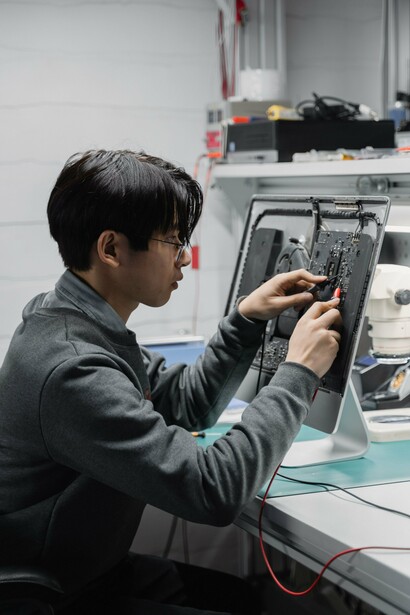
However, focusing primarily on the negative aspect of e-waste neglects a very important aspect: the contribution of e-waste to the local economies. To most of the inhabitants of cities in Africa, the dumped electronics are not waste but a chance. The informal recycling industries have become an important source of revenue. Young men and women tear down devices, salvage useful components such as copper and aluminium and resell them. Refurbished electronics offer millions of people in Lagos, Accra, and Nairobi markets access to technology at affordable prices by offering refurbished devices to people who could not afford brand-new ones.
This informal economy is a response to a need that has not been met by the formal systems. It generates employment, sustains lives and increases the lifespan of electronic products. On a continent where economic development is directly linked to digital access, the access to low-cost electronics can be literally beneficial to society. Online learning is accessible to students, businesses are operated by entrepreneurs and families are in touch with one another, all using devices that would have otherwise been used in wealthier countries.
Nevertheless, livelihoods are the same activities that pose great risks. Crude recycling informal recycling usually entails the use of crude techniques like open-air burning of cables to recover copper or the use of acid baths to recover precious metals. These activities emit toxic chemicals, such as lead, mercury, and dioxins, into air, soil, and water. Workers, who may lack protective equipment, are in close contact. Residents around such locations experience chronic health hazards, such as lung diseases, brain harm and childhood developmental disorders.
Another pressing issue is environmental degradation. Polluted soils and water supply impact agriculture and food security. Rivers located close to major e-wastes contain a higher quantity of heavy metals, which affect the ecosystem as well as human beings. Cleaning up of such environments is much more expensive than the short-term economic benefits of informal recycling.
The issue, then, is not merely how to prevent the importation of e-waste to Africa, but how to ensure that it is treated in a manner that does not only take into account the economic conditions but also the environmental and health factors. Enforcement is equally important as the strengthening of laws. There should be enhanced training and resources among the customs officials in detecting illegal shipments. There should also be greater international cooperation whereby the countries that are exporting products should be accountable for what they export to other countries.
The formalisation of the recycling sector is also important. The inclusion of informal workers in more controlled systems that are safer to use can save lives and minimise harm. Recycling can be made a more sustainable industry through training programmes, protective equipment and accessibility of better technology. Community awareness programs may also contribute, enlightening communities about the dangers of unsafe practises.
The technology provides a portion of the solution on its own. The amount of waste produced in the world can be substantially reduced by designing electronics that can be repaired, reused, and recycled. Both consumers and the regulatory frameworks need to push the companies towards more sustainable production models.
Finally, the e-waste in Africa is not only a waste story; it is a story of inequality, adaptation and resiliency. It is a reflection of the ways in which the global consumption patterns impact across borders and influence lives in locations that are distant from the point of original usage of products. It also emphasises the resourcefulness of societies who see value where none is perceived.
To solve the problem, a change of mindset is necessary. Africa cannot be merely considered as a dumping ground but an active participant in the global lifecycle of electronics. The solutions should be collaborative and should include governments, international organisations, private companies and the local communities. It is then that the continent can transform from a receiver of the e-waste in the world to a pioneer in sustainable resources management.
Ultimately, world-connecting devices should not be at the expense of world-disconnecting communities of clean air, safe water, and healthy futures.