English
 Español
 Français
 Deutsch
 Italiano
 Português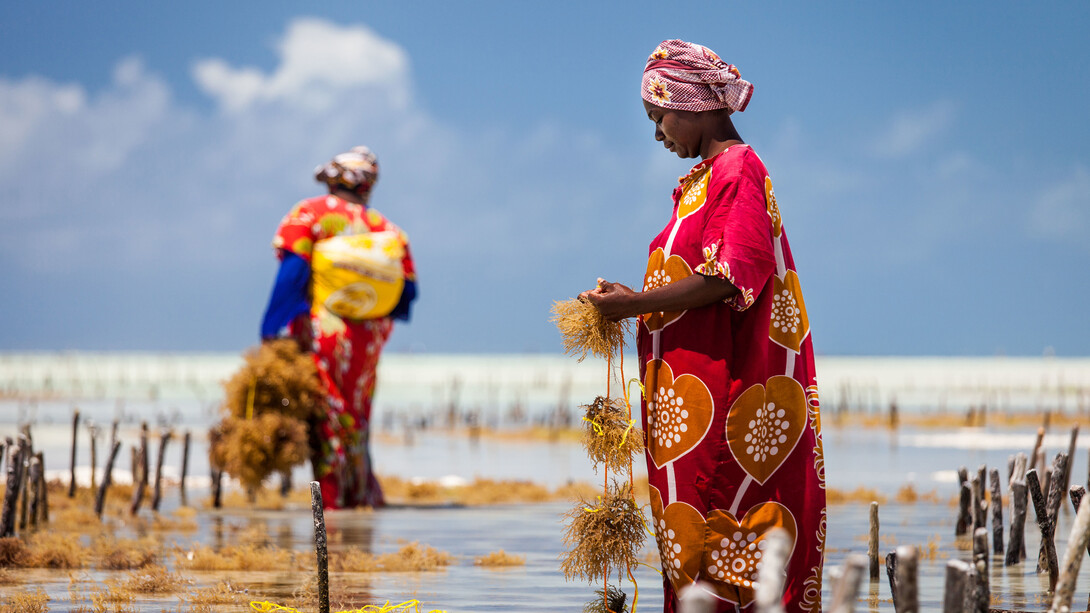
When we think about marine conservation, the first thing that might come to mind is the protection of reefs, marine creatures, and the vast ocean overall. Although all these components are vital to marine conservation efforts, the cultural aspect is very important as well. We all depend heavily on the health state of the oceans, not just for our physical health’s sake but also for the health and maintenance of human culture. Nature conservation is strongly linked to harmony and respect between the natural and the built environment. Humans depend upon the ocean on many levels, not just for food. Marine conservation means culture preservation, and we will see here why.
Ocean justice
Ocean justice emphasizes how indispensable it is to incorporate equality and inclusion into ocean governance, changing the balance of power in conservation, to enable communities to actively participate in decisions that impact their coastal habitats. Fair access to the ocean and involvement in decision-making for historically underrepresented groups, like, for example, indigenous people, are top priorities for ocean justice.
The idea acknowledges the interconnectedness of human rights, social justice, and environmental preservation. The beneficiaries of ocean resources, those affected by ecological deterioration, and the inclusion of various perspectives in policy deliberations are just a few examples of how ocean issues are connected to more general justice concerns. Similar to climate justice, ocean justice can be difficult to define because different groups have diverse experiences with maritime settings.
Regardless of a person’s background, income, ability, or ethnicity, ocean justice emphasizes the significance of granting equitable access to the ocean’s advantages, which range from food sources and livelihood to recreational possibilities and cultural heritage. By asking who benefits from ocean sectors like industrial fishing and who bears the costs of ecological degradation—usually the small coastal populations that depend on local fisheries—it challenges the mechanics of responsibility.
By highlighting the values of inclusivity and shared responsibility for maintaining life, ocean justice reflects a moral commitment to justice. While acknowledging that socioeconomic injustice and environmental harm frequently coexist in these circumstances, it also recognizes the ocean’s critical functions as a food supply, climate regulator, and cultural pillar.
Why is it so important?
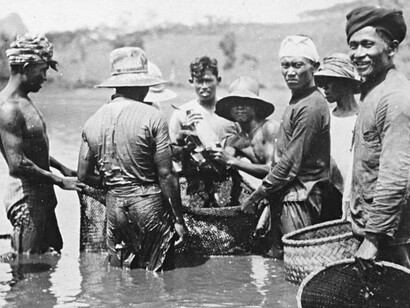
Given the close interconnections that exist between indigenous groups’ sovereignty, food security, and cultural identity, all of which are reliant on the health of the marine ecosystem, ocean conservation is essential. Many indigenous people have accumulated a richness of place-based maritime knowledge over millennia, seasonal harvests, ecological indicators, and spiritual connections to marine life. Protecting ocean ecosystems is critical for preserving these knowledge systems and the cultural behaviors that flow from them.
Indigenous people, who account for around 6% of the worldwide population, manage approximately 80% of the world's biodiversity. Their active participation in marine conservation is critical to sustaining planetary resilience, demonstrating the importance of their leadership beyond symbolism.
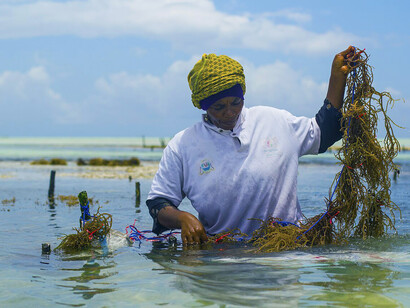
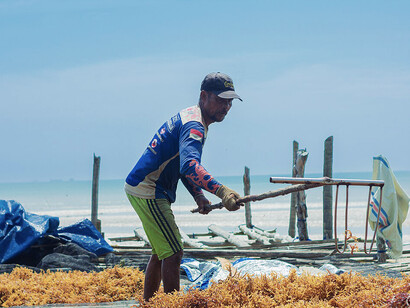
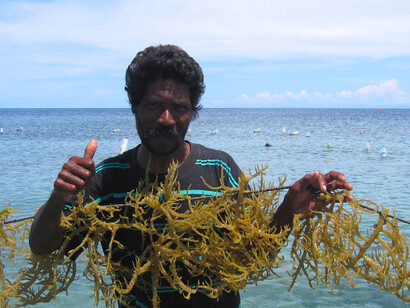
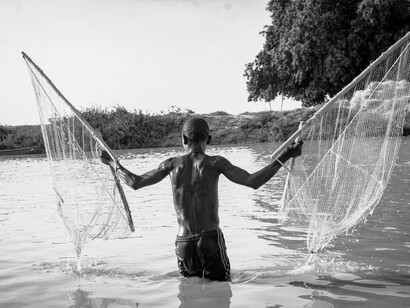
Many rely on marine creatures like salmon, shrimp, and seaweed for both sustenance and economic security. Overfishing, pollution, and climate change all pose threats to these ecosystems’ food and revenue resources. There are historical examples from the Pacific Northwest that show how restricting Indigenous fishing rights and destroying waterways have affected salmon populations and, as a result, Indigenous livelihoods.
Indigenous marine management methods such as rotational harvesting, reef tenure, and holy no-take zones have successfully conserved biodiversity for generations. Contemporary conservation research recognizes these ancient systems as exceptional models for long-term ocean governance, frequently correcting flaws in Western conservation methodologies through holistic and relational approaches.
Fiji's Locally Managed Marine Areas (LMMAs)
The following is an example of LMMAs that represent a remarkable synthesis of traditional Indigenous knowledge with current conservation research targeted at marine stewardship. Indigenous iTaukei communities have significantly revitalized their customary administration, particularly through the construction of tabu regions, which are temporary no-take zones that strengthen cultural authority. At the same time, elders and chiefs have reclaimed major roles in environmental governance, fostering stronger communal relations.
The implementation of LMMAs has resulted in significant ecological advantages, including increased fish biomass, invertebrates such as giant clams, and enhanced coral health in and near protected areas. This rebound translated into more reliable food access, particularly for subsistence fishers, as well as spillover effects that increased fishing yields beyond the reserves, benefiting local economies.
Economically, Indigenous groups have expanded their income streams through sustainable tourism efforts such as snorkeling and diving in tabu areas, as well as eco-certified fisheries and conservation jobs. These activities actively include youth in local environmental stewardship, reducing migration to urban areas. The movement has also promoted social cohesion and made it easier for seniors to pass on traditional wisdom to younger generations. Conservation initiatives foster intergenerational learning by teaching younger members of the community about ecological behaviors, tides, and cultural customs, while also fostering collective responsibility through regular community meetings and monitoring programs.
Fiji’s LMMAs’ achievements have increased Indigenous representation in national maritime policy debated on a political level. The Fijian government has made community-based management a key component of its maritime plan, giving Indigenous groups more negotiating power over resource use and coastal development. The island’s LMMAs are a fine example of how Indigenous leadership in marine conservation can have positive effects that go beyond ecological recovery; they strengthen economic resilience and cultural continuity and improve sovereignty. Similar projects in nearby areas such as Samoa, Vanuatu, and the Solomon Islands have been sparked by this idea.
The benefits of inclusion
When Indigenous communities in the Pacific lead or collaborate on ocean projects, they benefit significantly. Indigenous conservation programs not only help restore the environment, but they also provide social, cultural, and economic benefits. Effective support should prioritize Indigenous leadership, protect customary rights, and promote knowledge-developing local livelihoods. These are all components of great significance that help restore and maintain the harmony and balance between culture preservation and ocean conservation.
The benefits of this interconnectedness are clearly visible. Indigenous techniques such as ra’ui, tabu, bul, and kapu provide seasonal or permanent no-take zones, allowing fish populations to rebuild and protect breeding grounds. Community-managed marine zones and customary harvesting laws boost local fish populations and ensure a consistent supply for subsistence and small-scale fishing. This is a great example of how we as humans can be a functional part of the natural environment while helping to maintain it. Indigenous knowledge conservation promotes further language preservation, navigation skills, ceremonial activities, and the transfer of sea-related customs between generations.
Indigenous-led projects have been effective in the maintenance of reefs, seagrass, and mangroves, reducing coastal erosion, mitigating storm impacts, and safeguarding resources critical to climate adaptation. Recognizing Indigenous knowledge in maritime planning promotes co-management arrangements, restoring local decision-making power and rights. It has been visible that when communities implement customary closure, fish populations recover in a few years, improving food security and economic stability. This can also mean that integrating Indigenous monitoring and local knowledge can have the ability to improve the resilience to climate change, including sea-level rise and shifting marine species distributions.
Support should center on documentation, youth training, and cultural activities that preserve ecological expertise. Policies recognizing customary rights and establishing formal co-management frameworks must be supported. Community ventures such as sustainable fishing and ecotourism that match with conservation goals are critical for this.
Focus on the future.
Ocean conservation goes beyond ecological goals, highlighting the linkages between people, power, and geography. Ocean justice advocates for redressing historical injustices, transferring decision-making power, and ensuring that local populations benefit from healthy marine ecosystems. Indigenous-led conservation is critical as Indigenous nations regain stewardship roles that were previously damaged by colonial governments. Māori communities in Aotearoa/New Zealand, as well as communities in French Polynesia, for example, use rāhui, or temporary closures based in customary law, to promote species recovery. This effectively influences state fisheries laws and demonstrates a change in governance towards indigenous authority. A rāhui is a traditional Māori concept that controls human behavior for the future well-being of people and the natural environment.
Justice-centered restoration broadens the scope of environmental efforts to encompass the cultural and social fabric of communities. For example, kelp forest restoration in the Pacific Northwest is increasingly including indigenous nations, which connect ecological recovery to cultural practices and food sovereignty. Similarly, oyster reef restoration in the Southeast United States considers the history of Black coastal communities, ensuring that restoration initiatives provide community access and employment possibilities while remembering historical injustices.
Including data sovereignty and participatory science into conservation techniques empowers local communities by ensuring that their knowledge and data rights are respected and effectively applied in conservation initiatives. Ocean justice reframes conservation to not only protect ecosystems but also to mend societal relationships and empower local people, establishing them as important partners in the management and benefits of marine resources. Working together in preserving the ocean’s health is essential. Recognizing the injustice while focusing on the interconnectedness of Indigenous knowledge and marine conservation is mandatory if we want to have a different and fair-minded future.
Me da maroroya na noda wasawasa.
(Let us protect our ocean.)
Resources
Hei Ki Wharekaho. (2025a, August 11). Pou Rāhui: Leading marine conservation through indigenous knowledge & scientific partnership—Ngati Hei ki Wharekaho. Ngati Hei Ki Wharekaho.
Nuwao.org. (2021a). Tabu, Fiji Locally Managed Marine Area Network (FLMMA) – NUWAO.
Ocean justice forum. (2022 Ocean Justice Platform. Ocean Justice Forum.
Pacific Community. (2022a). Fiji | SPC Coastal Fisheries and Aquaculture - CBFM. Spc.int.