English
 Español
 Français
 Deutsch
 Italiano
 Português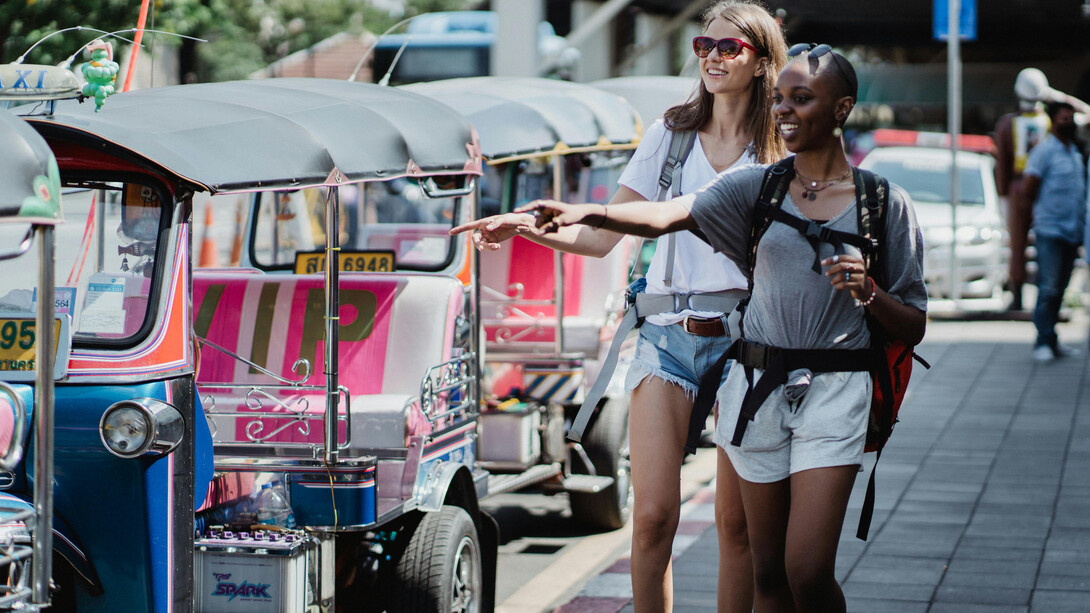
Travel is not measured by how comfortable you were. It is measured by how deeply you entered a place and by how willingly you stepped into its rhythm, even when it unsettled you. The missed turns, the awkward negotiations, the chaotic traffic crossings. If you haven’t felt slightly disoriented, mildly frustrated, or unexpectedly humbled, you may have seen a destination, but you haven’t yet experienced it. Travel, in its truest form, asks for participation. It asks you to feel everything.
The quiet realities of travel are the ones you learn not from guidebooks, but from being there. And while they don’t ruin a journey, they do shape it, teaching you how to move through the world with equal parts curiosity, caution, and humor.
The scenic route you never asked for
It usually starts the moment you land: mysteriously inflated taxi fares, creative toll charges, and a driver who suddenly becomes very passionate about “showing you the city.”
On a recent tour, our guide was praising the country’s excellent rail system and how seamlessly it connects the capital to everywhere else, including the airport. Then he shared a cautionary love story. A pilot’s foreign girlfriend was flying in to visit, and since he was landing later, he carefully explained how to take a taxi straight to the house. Simple enough.
The pilot arrived home. No girlfriend. A half hour passed. Then another. When she finally walked through the door, nearly an hour after landing, she sighed and said, “I had no idea this city was so big.”
It wasn’t. The taxi driver had simply treated her to an unsolicited grand tour of the city.
Moral of the story: know the going rates before you get in the car. Check distance, time, typical fares, tolls, and what other travelers say about airport taxis. And if you’re feeling brave, or just budget-conscious, skip the cab altogether and opt for public transport. The metro and buses won’t try to romance you with surprise detours.
Pickpockets: money, phones, and the art of disappearing acts
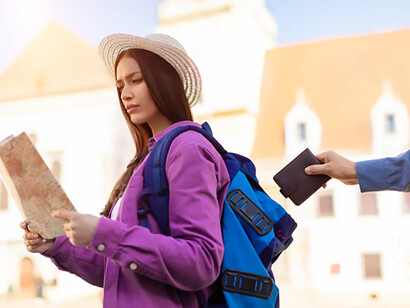
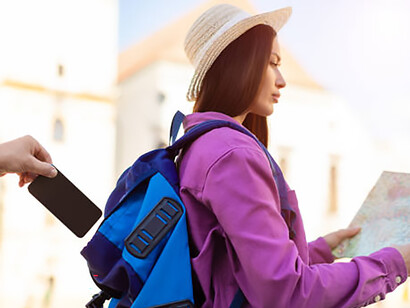
Stay aware. Petty crime happens everywhere, and I can practically guarantee that even the most seasoned traveler has “lost” something at some point.
I once stopped to show a friend a jaw-dropping mountain view over the Pacific, truly National Geographic–worthy. I was alert, experienced, traveling light, and doing everything right. And that’s when it happened.
I have to give credit where it’s due: whoever did it had exceptionally fast fingers. I felt nothing. No bump, no tug, no zip, no slide. Absolutely nothing. I didn’t even realize I’d been pickpocketed until later, when I went to pay for lunch. I opened my wallet, and every bit of cash was gone.
Cue the emotional roller coaster: realization, anger, frustration, and disbelief that I of all people had finally been a victim. Then came the reluctant gratitude. Thank God they only took the cash. My wallet containing my driver’s license, credit cards, and insurance card had all been neatly returned to my bag. Which meant the thief had dipped into my backpack twice!
I spent the rest of the day oscillating between irritation and grudging admiration, with a quiet, petty hope that whoever enjoyed my lunch money would later regret it with a solid case of food poisoning.
Moral of the story: no matter how careful you think you are, be careful again. And then check yourself one more time. Keep valuables out of easy reach, regularly check your belongings, and ideally carry only the bare minimum you need for the day. The best defense isn’t paranoia; it’s simplicity.
Inflated market prices: welcome to the performance
If there’s one universal truth of travel, it’s this: every tourist destination has a market. Call it a souk, bazaar, talat, or simply the place where your bargaining skills are tested. And yes, prices are inflated. That’s not a scam; that’s the opening act.
In many countries and cultures, bargaining is expected. Sometimes it even comes with a chair, a cup of coffee or tea, and a long conversation that has very little to do with the item in your hands. I can tell you with confidence that this ritual exists everywhere.
Whether you’re eyeing souvenirs you don’t need, spices you’re suddenly convinced will change your life, or gold famed for its purity, prepare yourself. Here’s how it works. The shopkeeper starts high. Maybe a little high. Maybe laugh-out-loud high. You counter. There are dramatic sighs. Possibly a wounded look. They come down. You inch up. No one is offended. No one is being robbed; it’s a friendly tug-of-war, where both parties walk away satisfied.
This dance is normal and expected, especially for Indian rugs, Turkish ceramics, Egyptian artifacts, or even Italian leather. Think of it as a two-act play, complete with a curtain call and an invitation to encore at the next stall.
For some items—think Swiss watches or Japanese electronics—prices are firmly non-negotiable and rarely budge. Still, it’s always worth politely asking if there are any special offers or seasonal promotions, especially when signage is in a foreign language; you might not get a discount, but you also have nothing to lose by trying.
A few words of wisdom: know your budget before you enter the market or shop, and carry only what you’re willing to spend. If you’re using a credit card, set a firm mental limit and stick to it. You may walk away paying slightly more—or slightly less—than you planned, but your purchase will come with a story. One you’ll retell for years. Equal parts discomfort, satisfaction, and pride included.
Traffic: too much, too weird, and coming from all directions
Traffic abroad can be … a lot. Sometimes it’s too much. Sometimes it’s too weird. You might share the road with three-wheeled rickshaws, windowless buses crammed beyond capacity, mini buses perched on wheels that look better suited to a bicycle, and scooters carrying entire families. If you’re in Europe, you share the road with an army of bicycles that absolutely has the right of way. Simply crossing the street can feel like an extreme sport, one where your life hangs by a thread and adrenaline is very much part of the itinerary.
Between the lack of clear lane markings in some countries and animals and pedestrians weaving through cars in others, being driven can be a full-body experience. Gripping the armrest, clutching your friend’s arm, closing your eyes, and mentally preparing for impact are all perfectly normal reactions in some of the world’s most densely populated cities.
And if you’re driving yourself, add a few bonus challenges: navigating on the “wrong” side of the road, squeezing into parking spaces that appear to defy physics, and accepting that horns are a form of communication, not aggression.
Harrowing? Absolutely. But whether you’re on two wheels in the Himalayas, bouncing through Delhi in a rickshaw, or stuck in a taxi during Colombia’s legendary traffic jams, this chaos becomes part of the adventure and, inevitably, one of your best stories.
In the end, these are the stories we keep. Not the perfectly plated meals or the symmetrical sunsets, but the taxi that took “the scenic route,” the negotiation that felt like an Olympic sport, and the street crossing that required a small act of faith. Travel isn’t polished. It’s textured. And that texture is what stays with you.
So if you’ve been mildly scammed, heroically overcharged, theatrically bargained with, temporarily lost, or traffic-survival certified, I want to hear about it. Send me your stories. The good, the chaotic, the humbling, the “you won’t believe this” moments.
Find me on LinkedIn and tell me what travel taught you the hard way. I promise to read it with sympathy… and just a little bit of admiration.
Because if you’ve collected a few of these moments, congratulations.
You’ve really traveled.